

Every October, the small volcanic island of Camiguin in the southern Philippines transforms into a living tribute to one of its most treasured agricultural gifts. The Lanzones Festival is a deeply communal expression of identity, gratitude, and regional pride. For Camiguinons, lanzones symbolize who they are.
What Makes Camiguin Lanzones Special
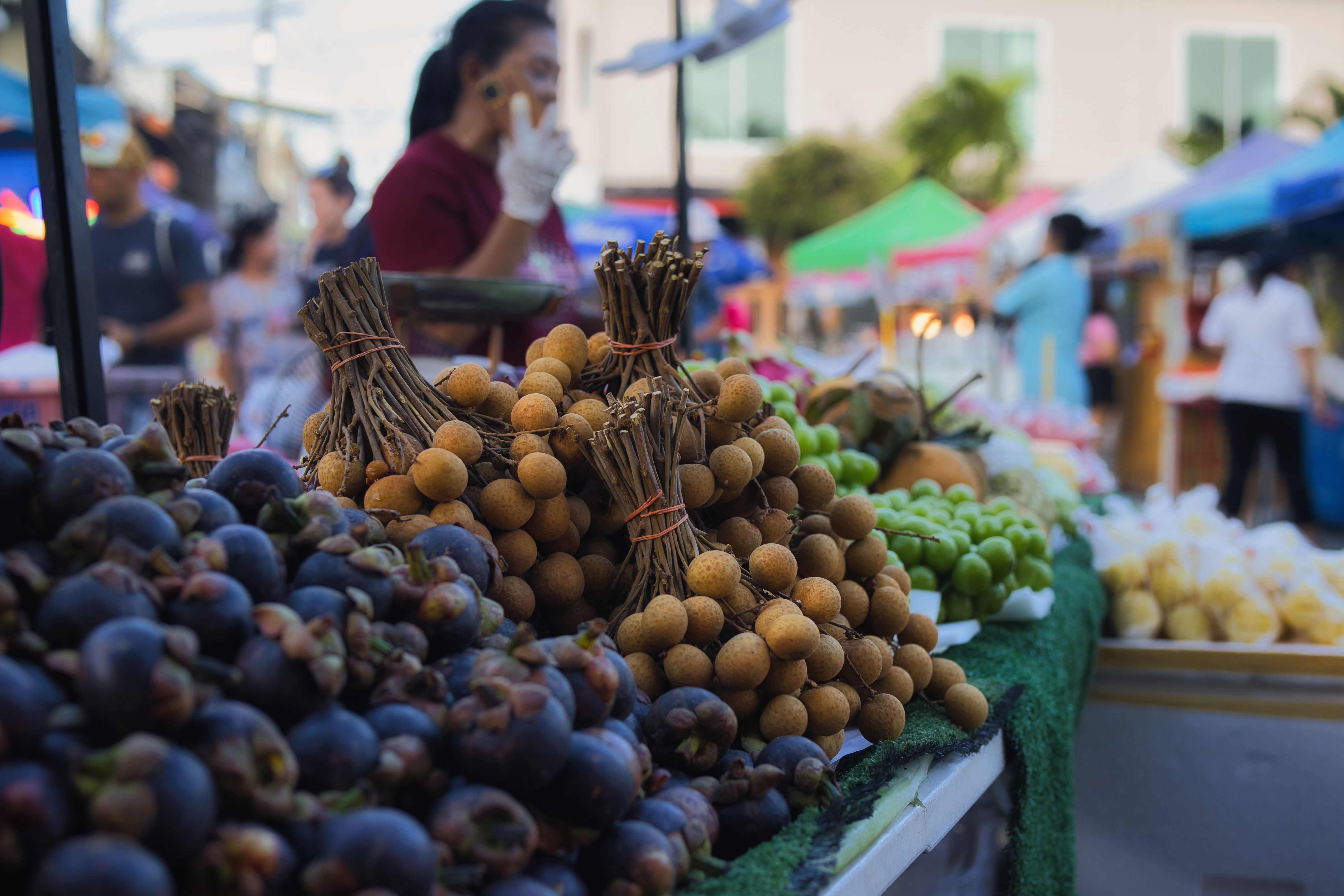
Lanzones — small, round, pale-yellow fruits that grow in clusters — are cultivated throughout the Philippines, but Camiguin lanzones hold a distinct reputation. Locals and food enthusiasts across the country recognize them as sweeter and less bitter than varieties grown elsewhere, a quality attributed to the island's rich volcanic soil and unique microclimate.

Welcome to United Tribes
Where Filipino Culture Comes Alive
Join Your Tribe
Connect with your people
Discover Events
Watch parties & festivals
Find Filipino Businesses
Restaurants, markets & more
Earn Crown Credits
Get rewarded for engaging
This agricultural distinction matters. It gives Camiguinons something concrete to celebrate — a product born from their specific land, tended by their families, and tied to the rhythms of their seasons. The harvest typically peaks in October, which is why the festival falls then each year. The timing is intentional, rooted in the actual labor of farming rather than an arbitrary date on a tourism calendar.
The Spirit Behind the Festival
The Camiguin Lanzones Festival began in 1981 to give thanks for a bountiful harvest and spotlight an agricultural product that sustains many island families. What started as a modest local celebration has grown into one of the most beloved Philippine October festivals, drawing visitors from across the country and the Filipino diaspora.
But growth has not diluted its soul. The festival remains community-centered in a way that separates it from larger, more commercialized events. Residents participate not as performers hired for a show, but as neighbors celebrating something real. Barangays—the smallest local government units—compete in street dancing competitions, each telling a story about the lanzones harvest through choreography, costumes, and music.
Street Dancing as Cultural Storytelling
Street dancing competitions are the festival's beating heart. Participants wear elaborate costumes made from actual lanzones fruits, leaves, and clusters—turning the harvest itself into wearable art. The dances dramatize the stages of lanzones cultivation: planting, tending the trees, harvesting, and finally celebrating the abundance.
This narrative choreography does something powerful. It keeps agricultural knowledge visible and honored in a world where younger generations increasingly move toward urban work. Watching a street performance at the Camiguin Lanzones Festival is, in some ways, watching a community remind itself of where it comes from.
The energy during these performances is electric — crowds line the streets, music fills the air, and the sense of collective pride is palpable. Filipino-Americans who grew up hearing about festivals like this from relatives often long to witness it firsthand.
Agricultural Identity as Community Bond
The Lanzones Festival illustrates better than most events how a single agricultural product can become the foundation of regional identity. Camiguin is a small island — roughly 90 square kilometers — with a population that depends heavily on farming and fishing.
This connection between land and identity runs deep in Camiguin culture. Families who have farmed lanzones trees for generations carry that history in practical and emotional ways. The fruit represents livelihood, continuity, and a place's distinct character. When the whole island gathers to celebrate it, the festival becomes an act of collective memory.
For Filipino-Americans reflecting on regional traditions back home, this kind of place-specific pride often resonates strongly. The broader landscape of Filipino festivals in the U.S. reveals how diaspora communities work to maintain these regional distinctions even when thousands of miles from home.
Beyond the Dancing: Other Festival Activities
While street performances anchor the week-long celebration, the Lanzones Festival offers a full range of activities that reflect Camiguin's culture and hospitality.
- Lanzones queen pageants highlight community members and celebrate local identity
- Agricultural fairs and exhibits showcase the fruit alongside other island products
- Food stalls and markets overflow with fresh lanzones, local delicacies, and regional specialties
- Cultural shows and live music run throughout the festival week
- Boat parades and aquatic events reflect the island's relationship with the sea
Each element reinforces the same core message: Camiguin is proud of what its land produces and how its people live. The festival is a full-community expression, not a single-day spectacle.
What the Festival Means for Filipino Identity Abroad
For Filipino-Americans who trace roots to Visayas or Mindanao—the regions where Camiguin sits—the Lanzones Festival carries particular weight. It represents the kind of hyperlocal pride that often gets flattened when Filipino culture is presented as a single unified tradition.
The Philippines is an archipelago of over 7,000 islands, each with its own dialect, food traditions, and festivals. Camiguin's celebration reminds us that regional Filipino dishes and traditions are as diverse as the islands themselves.
Celebrating Camiguin, One Fruit at a Time
The Lanzones Festival is a masterclass in how a community can turn something as grounded as a harvest into something deeply meaningful. Camiguin and its lanzones celebrations are the people's way of celebrating gratitude and abundance. That relationship between people, land, and culture is what makes this festival stand apart from larger, more tourist-driven events across the Philippines.
For Filipino-Americans, the festival is a vivid reminder that heritage isn't just preserved in big traditions—it lives in the specific, the local, and the agricultural. Knowing where your family's fruit trees grew, or which barangay held the best street dancing troupe, is part of a cultural literacy worth protecting and passing on.
Explore the Filipino community on United Tribes to connect with cultural celebrations, regional stories, and the businesses and voices keeping these traditions alive in the United States.
Make United Tribes Your Preferred Source
Add United Tribes on Google to get the latest stories, cultural updates, and community events directly in your Google Search and Top Stories.