
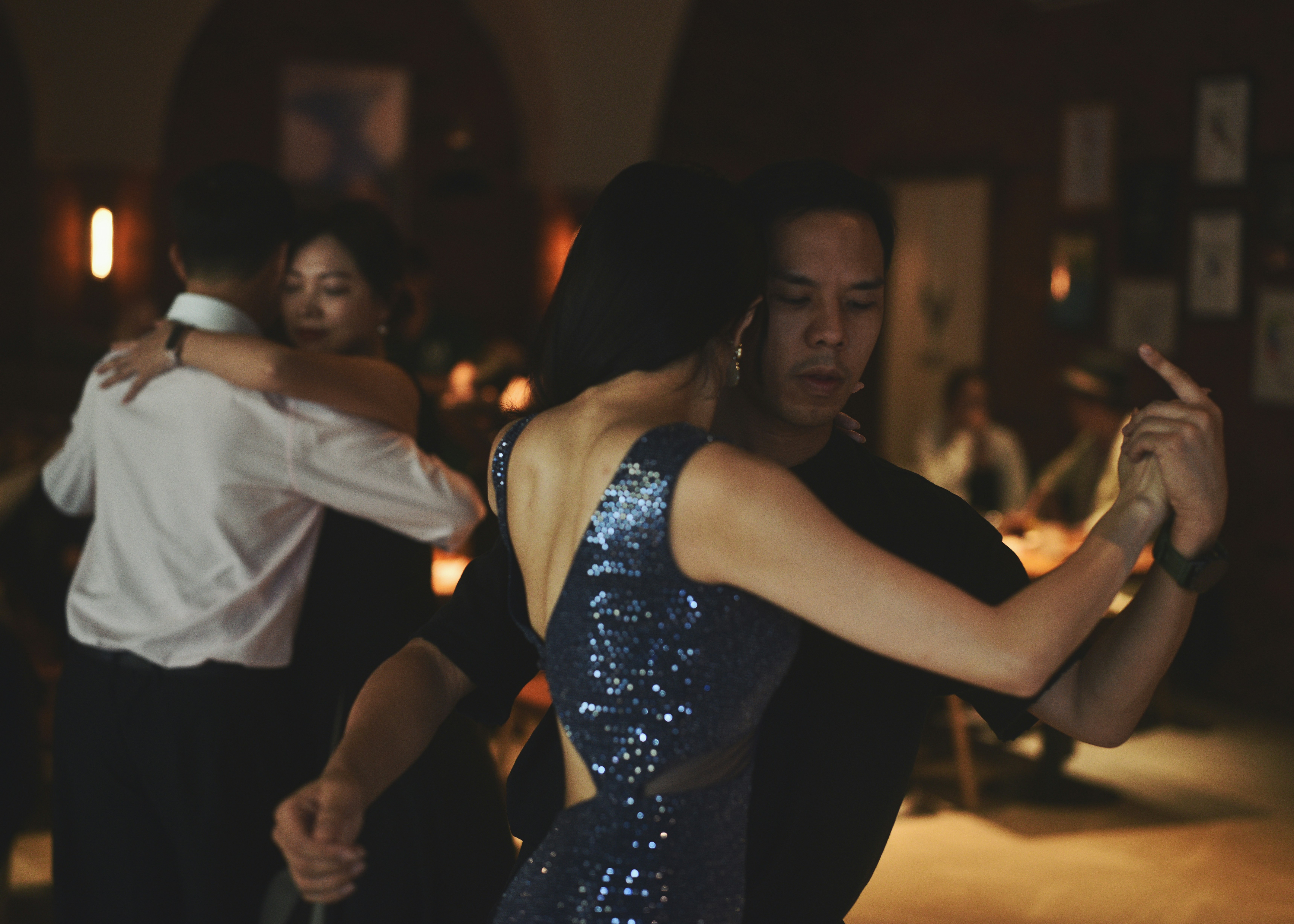


Latin dance festivals offer immersive experiences that connect people to their cultural roots while welcoming newcomers into these time-honored traditions. These celebrations serve as powerful platforms for cultural preservation, community building, and artistic expression, creating spaces where tradition meets innovation on dance floors from coast to coast.
The Rise of Latin Dance Culture in America
The growth of Latin dance festivals across the United States reflects the increasing recognition and appreciation of Latino cultural contributions to American society. These events have evolved from small community gatherings to major cultural celebrations that attract thousands of participants annually. Salsa festivals alone attract international attention, with cities such as New York, Miami, and Los Angeles becoming epicenters of Latin dance culture.
The festivals serve multiple purposes within Latino communities. They provide opportunities for intergenerational cultural transmission, enabling elders to share traditional dance forms with younger community members who may be disconnected from their heritage. Additionally, these events create economic opportunities for Latino businesses, from dance instructors and costume designers to restaurants and music vendors.
Major Dance Genres Celebrated
Salsa remains the most widely celebrated dance form at Latin festivals, with its infectious rhythms and accessible steps attracting dancers of all skill levels. The dance originated in Cuba and Puerto Rico and has evolved into various regional styles, which are showcased at festivals nationwide.
Bachata, originating from the Dominican Republic, has experienced tremendous growth in recent years. Its romantic and sensual movements have captivated American audiences, leading to the establishment of dedicated bachata festivals and workshops.
Tango in the U.S. represents a more sophisticated and theatrical dance tradition. Argentine tango festivals attract serious dancers and enthusiasts who appreciate the dance's complex technique and emotional depth.
Merengue, another Dominican dance, brings high-energy celebrations to festivals with its fast-paced rhythms and joyful atmosphere. Cumbia, with roots in Colombia, adds diversity to festival lineups with its distinctive hip movements and infectious beats.
Notable Latin Dance Festivals Across the Country
East Coast Celebrations
The New York Salsa Festival is among the premier events on the East Coast, featuring world-class performers, workshops, and competitions. Held annually in Manhattan, this festival attracts dancers from across the globe and showcases the city's vibrant Latino dance scene.
Miami's Aventura Dance Festival celebrates the city's strong Caribbean and Latin American connections through multiple dance styles. The festival emphasizes community participation and features both professional performances and amateur competitions.
The DC Bachata Festival in Washington, D.C. has grown into a major event that celebrates Dominican culture through dance, music, and food. The festival includes workshops for beginners and advanced dancers, creating an inclusive environment for cultural learning.
West Coast Dance Celebrations
Los Angeles hosts the LA Salsa Festival, which leverages the city's large Latino population and entertainment-industry connections. The festival features Grammy-winning musicians alongside renowned dance companies, creating a high-production celebration of Latin culture.
San Francisco's Tango by the Bay focuses specifically on Argentine tango, offering intensive workshops, milongas (tango social dances), and performances in scenic Bay Area venues. This festival attracts serious tango enthusiasts from across the Pacific region.
Central and Southern Regional Events
Chicago's Midwest Salsa Festival serves as a cultural hub for Latino communities throughout the Midwest. The festival emphasizes family participation and community building, featuring children's dance competitions alongside adult events.
Austin's Latin Dance Weekend leverages the city's reputation as a music destination, combining dance with live performances by regional and international Latin bands. The festival celebrates Texas's strong Mexican cultural heritage while embracing broader Latin American traditions.
Cultural Impact and Community Building
Latin dance festivals serve as powerful vehicles for celebration and community building, creating spaces where cultural identity is celebrated and preserved. These events strengthen connections within Latino communities while educating broader audiences about Latin American cultural traditions.
Educational Components
Most festivals include educational workshops that teach not only dance techniques but also cultural history and context. Participants learn about the African, Indigenous, and European influences that shaped various Latin dance forms. These educational elements help preserve cultural knowledge and ensure accurate transmission of traditions.
Professional instructors often travel extensive circuits, bringing authentic teaching styles from their countries of origin. This creates opportunities for American dancers to learn directly from masters of their respective dance traditions.
Economic Impact on Latino Communities
The festival circuit provides significant economic opportunities for Latino entrepreneurs and artists. Supporting local Latin businesses enhances community resilience by increasing visibility and customer engagement during festival seasons.
Dance instructors build careers around festival circuits, traveling from event to event while establishing student bases in different cities. Costume designers, musicians, and food vendors also benefit from the concentrated demand generated by these events.
The Role of Food and Music in Dance Festivals
Latin dance festivals extend beyond movement to celebrate the full cultural experience, incorporating traditional foods and live music that enhance authenticity. The integration of Latin cuisine influences creates comprehensive cultural experiences that engage all the senses.
Culinary Traditions
Festival food vendors typically represent the diverse Latin American countries celebrated through dance. Mexican tacos, Peruvian ceviche, Colombian arepas, and Dominican mangú provide authentic flavors that complement the cultural celebration. These culinary offerings often introduce festival attendees to new flavors and cooking traditions.
Local Latino restaurants frequently serve as vendors at festivals, using these events to showcase their authentic offerings to broader audiences. This exposure often leads to increased customer bases and community recognition.
Live Music and Cultural Authenticity
Live musical performances distinguish high-quality Latin dance festivals from simple dance events. Orchestras specializing in salsa, bachata bands from the Dominican Republic, and Argentine tango ensembles provide authentic soundtracks that elevate the dancing experience.
These musical performances also serve educational purposes, demonstrating the close relationship between Latin dance and music. Attendees learn to recognize different rhythmic patterns, instrumental arrangements, and regional variations that define various dance styles.
Preserving Heritage Through Modern Celebrations
Contemporary Latin dance festivals balance tradition with innovation, ensuring these cultural practices remain relevant for new generations while maintaining their authentic roots. This balance reflects broader themes in Hispanic heritage traditions that adapt to modern contexts while preserving essential cultural elements.
Youth Engagement and Cultural Transmission
Many festivals include special programming designed to engage young Latino Americans who may be disconnected from their cultural heritage. Youth competitions, school group performances, and student discount programs encourage participation from younger demographics.
These youth-focused initiatives often reveal talented young dancers who become ambassadors for their cultural traditions. Competition winners frequently receive scholarships for continued dance education, creating pathways for serious artistic development.
Technology and Social Media Integration
Modern Latin dance festivals leverage social media and technology to expand their reach beyond physical attendance. Live streaming of performances, social media dance challenges, and online workshops allow global participation in local celebrations.
This technological integration helps festivals connect with diaspora communities worldwide, allowing Latin Americans living far from festival locations to maintain cultural connections. It also introduces Latin dance culture to international audiences, expanding appreciation for these art forms.
Planning and Participating in Latin Dance Festivals
Successful festival participation requires understanding the different event formats, skill levels, and cultural expectations associated with various celebrations. Newcomers to Latin dance culture benefit from researching festival structures and preparing appropriately for their chosen events.
Festival Formats and Expectations
Competition-focused festivals emphasize technical skill and artistic performance, attracting serious dancers who train year-round for these events. These festivals typically feature multiple skill categories and age divisions, ensuring appropriate competition levels for all participants.
Social dance festivals prioritize community participation and cultural celebration over competition. These events welcome dancers of all skill levels and emphasize the social aspects of Latin dance traditions.
Workshop-intensive festivals focus on education and skill development, featuring renowned instructors who teach technique, styling, and cultural context. These events attract dancers seeking to improve their abilities and deepen their cultural understanding.
Preparation and Cultural Sensitivity
Participating in Latin dance festivals requires respect for the cultural traditions being celebrated. Understanding the historical and social contexts of different dance forms enhances the experience while demonstrating appropriate cultural appreciation.
Proper attire varies by dance style and festival formality. Salsa festivals often encourage colorful, flowing clothing that enhances movement, while tango events may require more formal dress that reflects the dance's sophisticated character.
Celebrating Latin Heritage Through Dance
Latin dance festivals across the United States serve as vital cultural institutions that preserve heritage, build communities, and celebrate the rich traditions that Latino Americans bring to the nation's cultural landscape. The festivals create economic opportunities, educational experiences, and social connections that strengthen Latino communities while sharing their cultural gifts with broader audiences. These vibrant celebrations demonstrate how Latin American independence traditions continue to influence American cultural life through artistic expression and community gathering.
As Latin dance festivals continue to grow and evolve, they will undoubtedly remain essential platforms for cultural preservation, artistic innovation, and community empowerment. Visit United Tribes today to learn more about Latino culture and community celebrations happening near you.


