
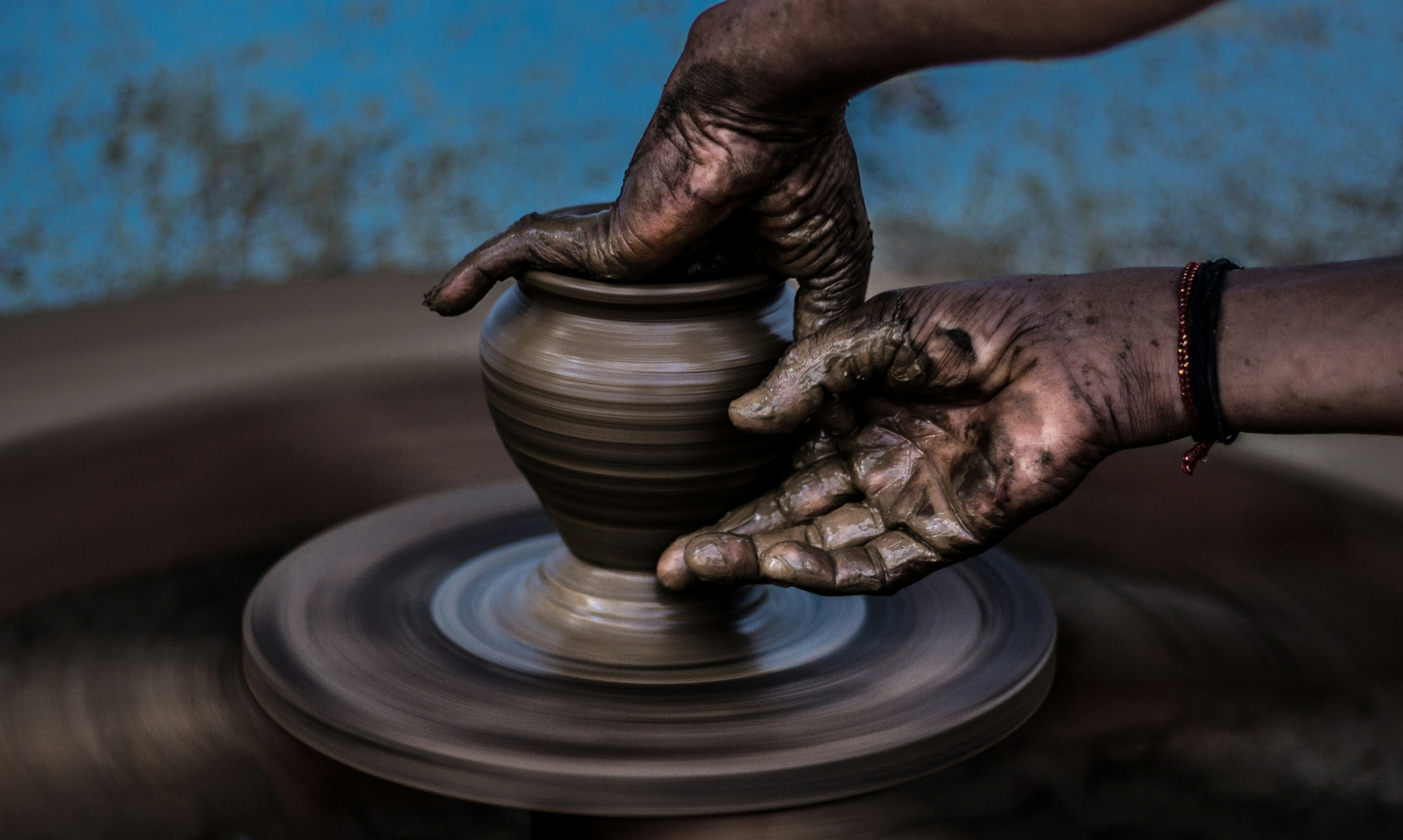


The landscape of American craft culture has undergone a remarkable transformation in 2026, with Latino artisans emerging as powerful forces driving innovation, preserving traditions, and fostering cultural fusion across the U.S. art scene. From bustling urban centers to small rural communities, these skilled craftspeople are weaving their ancestral techniques with contemporary American aesthetics, creating a vibrant tapestry that reflects the nation's evolving multicultural identity.
This renaissance is deeply rooted in centuries-old traditions that Latino communities have carefully preserved and adapted throughout their diaspora journey. As we witness this cultural flowering, it becomes clear that the influence of Latino artisans extends far beyond individual creativity.
The Revival of Traditional Techniques in Modern America
Latino artisans across the United States are breathing new life into time-honored techniques perfected by their ancestors generations ago. In 2026, we're seeing a significant surge in the use of traditional Mexican Talavera pottery methods, Guatemalan backstrap weaving, and Peruvian silverworking techniques in contemporary American craft markets.
Ceramics and pottery are among the most visible expressions of this cultural influence. Master potters of Mexican heritage are establishing studios across California, Texas, and New Mexico, where they teach traditional hand-building techniques alongside modern glazing methods. These artisans aren't simply reproducing historical pieces; they're creating innovative forms that speak to both their heritage and their American experience.
The textile arts have experienced an equally profound transformation. Latino weavers are incorporating traditional patterns and natural dyeing methods into contemporary fashion and home décor. From vibrant rebozos reimagined as modern shawls to traditional Oaxacan embroidery adorning contemporary clothing lines, these artisans are creating pieces that resonate with both cultural authenticity and modern American lifestyle needs.
Metalworking traditions from across Latin America are finding new expression in American craft culture. Mexican silverworking techniques, Colombian filigree, and Ecuadorian copperwork are being adapted for contemporary jewelry, home accessories, and architectural elements that appeal to diverse American consumers while preserving their cultural integrity.
Cultural Fusion and Innovation in Contemporary American Crafts
The year 2026 has marked a turning point in how Latino artisans approach cultural fusion within their craft practice. Rather than viewing traditional techniques and American innovation as separate entities, these skilled craftspeople are creating seamless blends that honor both their heritage and their adopted homeland.
Collaborative Workshop Spaces and Community Centers
Across major American cities, collaborative workshop spaces specifically designed to support Latino artisans have become cultural hubs where tradition meets innovation. These spaces provide not only the tools and facilities needed for craft production but also serve as gathering places where knowledge transfer happens organically between generations of craftspeople.
In Los Angeles, the "Casa de Artesanos" has become a model for similar initiatives nationwide. Here, master craftspeople work alongside emerging artists, sharing techniques passed down through families while experimenting with new materials and forms. The result is a dynamic environment where traditional Mexican pottery techniques might be combined with contemporary American glazing methods, or where traditional weaving patterns are applied to modern sustainable fibers.
Technology Integration with Traditional Methods
In 2026, Latino artisans are skillfully integrating modern technology with ancestral techniques, creating hybrid approaches that enhance rather than replace traditional methods. 3D printing is being used to create molds for traditional pottery forms, allowing artisans to achieve consistent shapes while still hand-finishing each piece using time-honored techniques.
Digital design tools are helping textile artists experiment with traditional pattern variations before committing to the time-intensive process of hand-weaving. This technological integration has allowed Latino artisans to increase their production capacity while maintaining the quality and authenticity that make their work distinctive in the American craft market.
Economic Impact and Market Transformation
The influence of Latino artisans on American craft culture extends well beyond artistic expression—it's creating significant economic opportunities and transforming how Americans think about handmade goods. In 2026, Latino-owned craft businesses are among the fastest-growing segments of the American artisan economy.
Direct-to-consumer sales through online platforms have enabled Latino artisans to reach customers nationwide, breaking down geographical barriers that previously limited their market reach. Social media platforms have become powerful tools for storytelling, allowing artisans to share the cultural significance behind their work while building relationships with customers who value authenticity and cultural connection.
Wholesale and Retail Partnerships
Major American retailers have recognized the market demand for authentic Latino crafts, leading to partnership opportunities that were rare just a few years ago. These relationships provide Latino artisans with access to larger markets while ensuring retailers can offer unique, culturally authentic products that differentiate them from mass-produced alternatives.
Boutique galleries and craft fairs across the country are dedicating significant space to Latino artisans, recognizing both the artistic quality of their work and the cultural education they provide to American consumers. These venues have become important bridges between Latino communities and broader American society, fostering cross-cultural understanding through shared appreciation for skilled craftsmanship.
Cultural Education and Heritage Preservation
Beyond their economic impact, Latino artisans serve as cultural ambassadors and educators, helping preserve and share important aspects of Hispanic heritage with diverse American audiences. Workshops, demonstrations, and apprenticeship programs are increasingly popular as Americans seek authentic cultural experiences and hands-on learning.
Community workshops led by Latino artisans cover topics ranging from traditional cooking methods to complex weaving techniques. These educational initiatives serve multiple purposes: they provide additional income streams for artisans, preserve traditional knowledge that might otherwise be lost, and create meaningful cultural connections within diverse communities.
The role of family in Latino culture is particularly evident in these educational contexts, as many artisans involve multiple generations in their teaching. Grandparents, parents, and children often collaborate to share their knowledge, creating rich learning experiences that demonstrate the interconnected nature of family, culture, and craft traditions.
Language and Cultural Connection
The preservation of the Spanish language in the United States is crucial to maintaining authentic craft traditions. Many Latino artisans conduct their workshops bilingually, ensuring that traditional terminology and cultural context are preserved alongside technical skill instruction.
This bilingual approach has proven particularly valuable in areas with significant Latino populations, where workshops serve as cultural bridges that help community members maintain connections to their heritage while adapting to American life.
Regional Variations and Specialized Techniques
The influence of Latino artisans on American craft culture varies significantly by region, reflecting both local Latino population demographics and regional craft traditions. In the Southwest, Mexican influences dominate, with particular strength in ceramics, metalwork, and leather crafts. California has become a hub for textile arts, reflecting its diverse Latino population from Mexico, Central America, and South America.
Southeastern states are experiencing growing influence from Caribbean Latino traditions, with particular strength in woodworking and basket making. Artisans from Puerto Rico, the Dominican Republic, and Cuba are introducing techniques and aesthetic sensibilities that are new to many American craft enthusiasts.
In urban centers like New York, Chicago, and Miami, Latino artisans are creating fusion styles that reflect the multicultural nature of city life. These urban environments create opportunities for cross-cultural collaboration, leading to innovative approaches that might not emerge in more culturally homogeneous areas.
The connection between craft traditions and Latin cuisine is particularly evident in functional pottery and kitchen crafts. Latino potters are creating serving pieces that reflect both traditional forms and the contemporary American interest in artisanal kitchen goods, resulting in products that serve practical needs while maintaining cultural authenticity.
The Future of Latino Influence in American Craft Culture
As 2026 progresses, the trajectory of Latino influence on American craft culture shows no signs of slowing. Educational institutions are beginning to incorporate traditional Latino craft techniques into their curricula, ensuring these skills are passed on to diverse student populations. Art schools and community colleges are partnering with master Latino artisans to develop comprehensive programs that honor traditional methods while preparing students for contemporary market realities.
The sustainability movement within American craft culture aligns particularly well with traditional Latino craft values, which emphasize working with natural materials, minimal waste, and durability. This alignment is creating new opportunities for Latino artisans to position their work as both culturally authentic and environmentally responsible.
Digital platforms continue to evolve, providing new opportunities for Latino artisans to share their knowledge and sell their work to global audiences. Virtual reality workshops and online masterclasses are making traditional techniques accessible to students who might never have the opportunity to learn in person, ensuring that these valuable cultural practices continue to spread and evolve.
Celebrating Cultural Artistry in America
The profound impact of Latino artisans on American craft culture in 2026 represents a testament to the power of cultural preservation, innovation, and community connection. Through their skilled hands and creative vision, these artisans are weaving together the threads of tradition and innovation to create a richer, more diverse American craft landscape.
Visit United Tribes today to learn more about Latino culture and community, where you can discover local artisans, cultural events, and opportunities to connect with this thriving creative movement in your area.


