
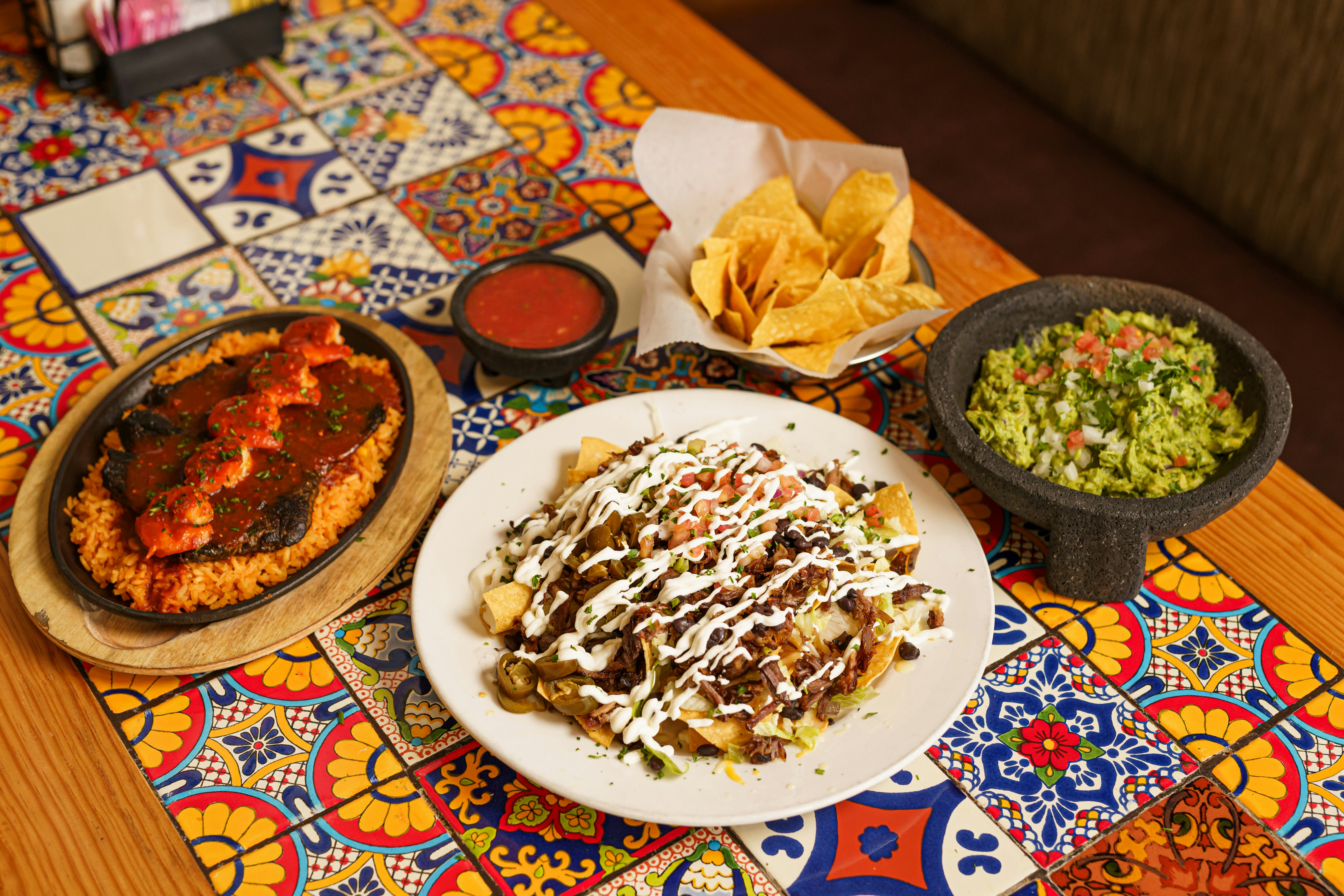

The culinary landscape of America is witnessing a remarkable transformation as Latino chefs are reimagining beloved traditional recipes through a contemporary lens. These innovative culinary artists are not merely updating old recipes; they're creating a bridge between ancestral wisdom and modern dietary consciousness, crafting dishes that honor heritage while embracing sustainability, health, and accessibility. This movement represents the cultural evolution that celebrates the depth and versatility of Hispanic cuisine while addressing the needs of today's health-conscious diners.

Welcome to United Tribes
Where Mexican Culture Comes Alive
Join Your Tribe
Connect with your people
Discover Events
Watch parties & festivals
Find Mexican Businesses
Restaurants, markets & more
Earn Crown Credits
Get rewarded for engaging
The New Wave of Latino Culinary Innovation
The movement toward modernized Hispanic cuisine is being led by a diverse group of chefs who understand that tradition doesn't have to mean stagnation. These culinary pioneers are drawing from their cultural heritage while incorporating contemporary cooking methods, nutritional science, and sustainable practices. Their approach reflects a deep respect for ancestral cooking wisdom, an understanding of modern dietary needs, and environmental consciousness.
Chef-driven innovation is transforming classic dishes like pozole, empanadas, and mole through techniques such as sous vide cooking, fermentation, and molecular gastronomy. However, the focus isn't solely on technical wizardry—these chefs are primarily concerned with enhancing flavors, improving nutritional profiles, and making their cuisine more accessible to diverse audiences. The influence of Latin cuisine in the US has laid a foundation for these interpretations to flourish.
The integration of local and seasonal ingredients represents another crucial aspect of this culinary evolution. Latino chefs are partnering with local farmers and suppliers to source ingredients that complement traditional flavor profiles while reducing environmental impact.
Farm-to-Table Latino Cooking
Latino chefs are embracing farm-to-table principles that align perfectly with traditional cooking philosophies. Many Latino cultures have always emphasized fresh, seasonal ingredients and minimal processing, making this transition feel natural rather than forced. Chefs are rediscovering indigenous ingredients like amaranth, quinoa, and various chili peppers, incorporating them into contemporary presentations that highlight their nutritional benefits and unique flavors.
The emphasis on sustainable sourcing extends beyond just vegetables and grains. Many Latino chefs are working with ethical meat suppliers, sustainable seafood providers, and organic dairy producers to ensure their interpretations maintain both quality and conscience. This approach resonates with younger generations of Latino diners who want to honor their heritage while making environmentally responsible choices.
Health-Conscious Recipe Modifications
The modernization of Latin American recipes often involves thoughtful modifications that enhance nutritional value without compromising flavor. Chefs are reducing sodium content by emphasizing fresh herbs and spices, incorporating more vegetables into traditional meat-heavy dishes, and offering plant-based alternatives to classic proteins. These changes reflect broader dietary trends while respecting the fundamental flavor profiles that make Latino cuisine so beloved.
Portion control and balanced nutrition have become integral considerations in Latino cooking. Traditional dishes known for their generous portions are being reimagined as part of balanced meals that include more vegetables, lean proteins, and whole grains.
Regional Variations and Modern Interpretations
The diversity within Latino cuisine offers endless opportunities for interpretation, with each regional tradition bringing unique ingredients, techniques, and flavor profiles to the contemporary table. Mexican cuisine continues to dominate much of the Latino food scene in the United States. Still, chefs are expanding beyond familiar dishes to explore the incredible diversity of culinary traditions within Mexican cooking alone.
Caribbean influences are becoming increasingly prominent in Latino restaurants, with chefs incorporating tropical fruits, coconut-based preparations, and island spices into their menus. Puerto Rican, Dominican, and Cuban flavors are being presented in new contexts that highlight their unique characteristics while making them accessible to broader audiences. The use of plantains, yuca, and tropical fruits in both savory and sweet preparations demonstrates how traditional ingredients can be reimagined for contemporary palates.
South American Sophistication
Peruvian cuisine has gained significant recognition in recent years, with Latino chefs drawing inspiration from its sophisticated flavor combinations and diverse ingredients. The art of making ceviche has been elevated through modern techniques and presentation, while traditional ingredients like quinoa, purple potatoes, and aji peppers are incorporated into fusion dishes that celebrate Peruvian heritage.
Argentinian and Brazilian influences are also making their mark on the Latino culinary scene. Chefs are reinterpreting traditional grilling techniques, experimenting with variations of chimichurri, and incorporating tropical Brazilian flavors into contemporary presentations. The emphasis on high-quality beef and innovative grilling methods has found particular resonance with American diners who appreciate both craftsmanship and bold flavors.
Central American Contributions
Often overlooked in mainstream discussions of Latino cuisine, Central American flavors are finally receiving the attention they deserve from chefs. Traditional dishes from Guatemala, El Salvador, Honduras, and other Central American countries are being reimagined with contemporary techniques and presentations. The use of masa, tropical fruits, and indigenous ingredients offers exciting possibilities for innovation while honoring cultural traditions that extend back centuries.
The exploration of traditional Hispanic dishes reveals the incredible diversity of Latino cuisine. It provides modern chefs with a vast palette of flavors, techniques, and ingredients to draw on in their contemporary interpretations.
Sustainable Practices in Modern Latino Kitchens
Environmental consciousness has become a defining characteristic of the Latino culinary movement, with chefs leading the way in sustainable restaurant practices. This commitment to sustainability often aligns with traditional Latino values of community responsibility and resource conservation, making it a natural extension of cultural heritage rather than an imposed external requirement.
Waste reduction strategies employed by Latino chefs include utilizing entire animals and vegetables, composting organic waste, and finding creative uses for ingredients that might traditionally be discarded. Many chefs are rediscovering traditional preservation techniques like fermentation and curing, which not only reduce waste but also add complex flavors to modern dishes.
The emphasis on local sourcing supports regional economies while reducing the environmental impact of long-distance food transportation. Latino chefs are building relationships with local farmers to source ingredients that complement traditional flavor profiles, sometimes leading to exciting discoveries of local ingredients that work beautifully in Latino preparations.
Community-Supported Cuisine
Many Latino chefs are extending their sustainability efforts into community support through partnerships with local suppliers, farmers, and food producers. This approach reflects traditional Latino values of community interconnection while supporting the economic development of local Latino businesses. Supporting local Latin businesses creates a network of mutual support that benefits entire communities.
Educational initiatives led by Latino chefs help community members understand sustainable cooking practices, nutrition, and food preparation techniques. These programs often combine traditional knowledge with nutritional science, creating valuable learning opportunities that honor cultural heritage while promoting health and wellness.
Technology and Tradition in Modern Latino Cooking
The integration of modern cooking technology with traditional Latino techniques has opened up new possibilities for flavor development and consistency. Sous vide cooking, precision fermentation, and controlled environment growing are being used to enhance traditional preparations rather than replace them entirely. This technological integration allows chefs to achieve consistent results while preserving the essential character of traditional dishes.
Innovation Without Loss of Identity
Maintaining cultural authenticity while embracing innovation requires a delicate balance that successful Latino chefs navigate through a deep understanding of traditional techniques and flavors. The most successful modern interpretations maintain the emotional and cultural connections that make traditional Latino dishes so meaningful while adapting them for contemporary contexts and dietary needs.
Mentorship and knowledge transfer between generations of Latino chefs ensures that traditional techniques and cultural knowledge continue to inform modern innovations. Many successful Latino chefs credit their grandmothers, mothers, and other family members as their most important culinary influences, demonstrating how innovation can coexist with respect for tradition.
The Future of Modern Latino Cuisine
The trajectory of Hispanic cuisine suggests continued growth and evolution, with new generations of Latino chefs bringing fresh perspectives while maintaining connections to their cultural heritage. The increasing recognition of Latino cuisine's sophistication and diversity creates opportunities for continued innovation and cultural celebration through food.
Culinary education programs specifically focused on Latino cuisine are emerging to provide formal training that complements traditional family-based knowledge transfer. These programs help ensure that both traditional techniques and modern innovations are preserved and transmitted to future generations of Latino chefs and food professionals.
The mainstream acceptance of sophisticated Latino cuisine creates opportunities for greater cultural understanding and appreciation. As modern Latino restaurants gain recognition and awards, they help challenge stereotypes and demonstrate the depth, complexity, and innovation possible within Latino culinary traditions.
Embracing Culinary Cultural Evolution
The modern Latino culinary movement represents a beautiful synthesis of tradition and innovation, demonstrating how cultural heritage can evolve while maintaining its essential character. These talented chefs bridge generations, cultures, and communities through their thoughtful approach to modernizing beloved traditional recipes. Their work celebrates the richness of Hispanic cuisine while making it more accessible, sustainable, and health-conscious for contemporary diners.
Visit United Tribes today to learn more about Latino culture and community, discover local Latino businesses and upcoming cultural events, and connect with the vibrant communities that make this culinary innovation possible.
Make United Tribes Your Preferred Source
Add United Tribes on Google to get the latest stories, cultural updates, and community events directly in your Google Search and Top Stories.


