
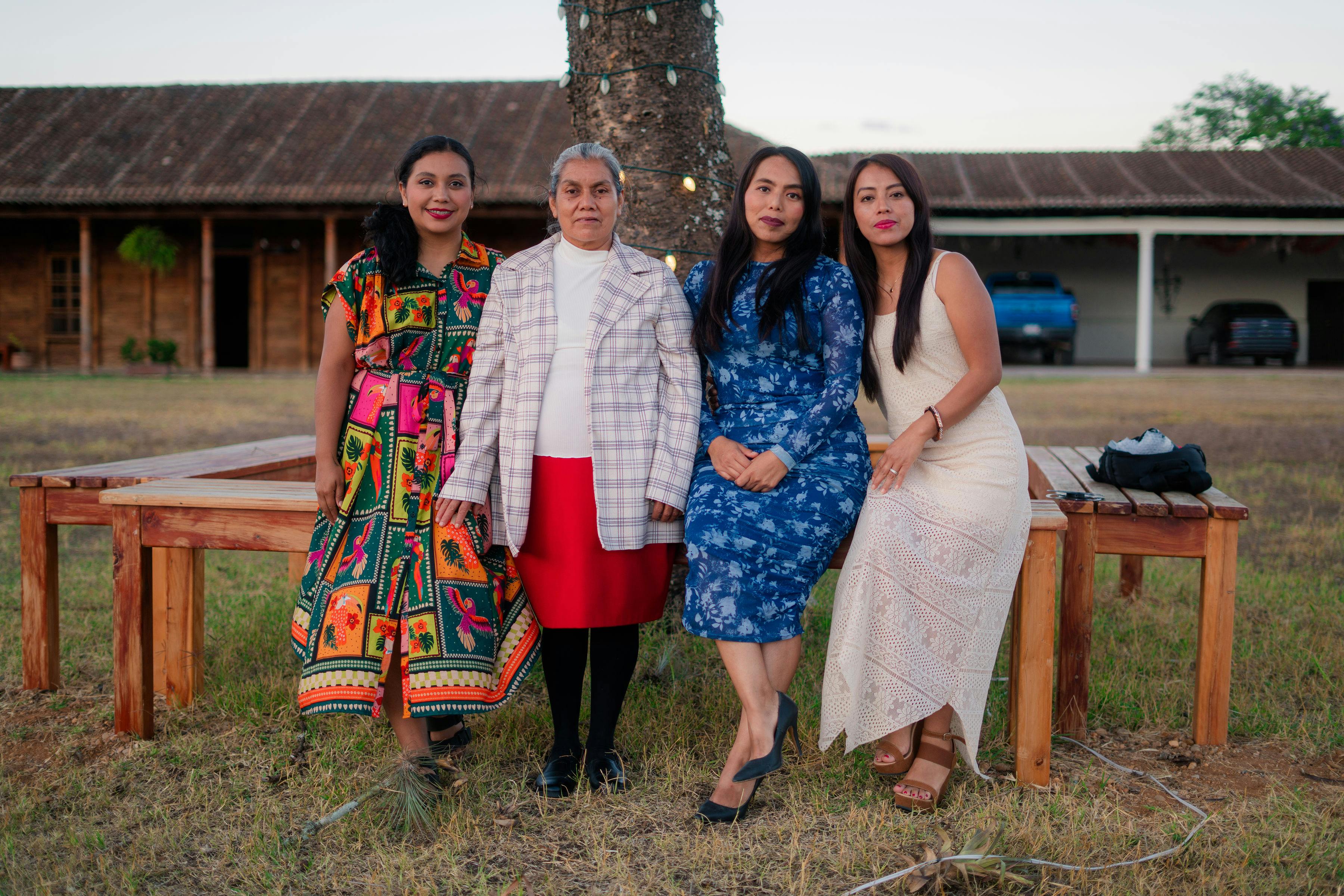


For countless Latino families across the United States, higher education represents more than just academic achievement: it embodies the very essence of the American Dream. From first-generation college students breaking barriers to entire families rallying behind educational goals, the journey through higher education is deeply woven into the fabric of Hispanic family values and aspirations. This educational pursuit reflects a powerful commitment to progress and opportunity, and to the belief that knowledge can transform not just individual lives but entire family legacies.
The Cultural Foundation of Educational Aspirations
Hispanic family values underpin educational motivation within Latino communities. Unlike cultures that emphasize individual achievement, Latino families approach education as a collective endeavor where one person's success elevates the entire family unit. This cultural perspective transforms the college experience into a family mission, with parents, grandparents, siblings, and extended family members all playing crucial roles in supporting educational goals.
The concept of "educación" in Latino culture extends beyond formal schooling to encompass moral development, respect, and personal growth. When Latino families pursue higher education, they're seeking both academic knowledge and the development of character traits that honor the family's role in Latino culture. This holistic view of education creates a unique dynamic in which academic success is measured not only by grades or degrees but also by how well students maintain their cultural identity while achieving their goals.
Many Latino students carry the weight and honor of being the first in their families to attend college. This pioneering role brings both tremendous pride and significant responsibility. Family members often view these students as pathbreakers who will create opportunities for younger siblings and future generations. The pressure can be intense, but it's balanced by unwavering family support and the deep satisfaction of making family dreams come true.
Navigating Financial Challenges and Opportunities
Financial barriers represent one of the most significant challenges facing Latino families pursuing higher education. According to recent studies on Hispanic education, Latino families are more likely to face economic constraints that make college attendance difficult. Many families work multiple jobs, send money to relatives in their countries of origin, and operate on tight budgets that make college tuition seem overwhelming.
Despite these challenges, Latino families demonstrate remarkable resourcefulness in securing funding. They often combine multiple financing strategies, including federal financial aid, scholarships specifically designed for Hispanic students, work-study programs, and family contributions. Some families start college savings funds when children are young, viewing education as an investment that will yield returns for generations.
Community support plays a crucial role in overcoming financial obstacles. Latino families frequently share information about scholarships, financial aid opportunities, and cost-saving strategies. Local Hispanic organizations oftenassistp familiesin navigatinge the complexlandscaped of college financing, helping them understand options they might not have known existed. This community-centered approach to problem-solving reflects the broader cultural values that emphasize mutual support and shared success.
The financial sacrifices that Latino families make for education are profound. Parents may work extra shifts, delay personal purchases, or take on additional debt to support their children's educational goals. These sacrifices are made willingly because families understand that education represents the most reliable path to upward mobility and long-term financial security.
Breaking Through Academic and Cultural Barriers
Latino students often face unique academic challenges as they navigate higher education systems. Many come from schools with limited resources, where Advanced Placement courses or college-preparatory programs may be scarce. The transition to college-level coursework can be particularly challenging for students whose families lack experience with higher education systems.
Language considerations add another layer of complexity. While many Latino students are bilingual or multilingual, academic English demands specific skills that may require additional development. Some students struggle with imposter syndrome, questioning whether they belong in academic environments where they may feel culturally isolated or different from their peers.
Supporting Academic Success Through Family Networks
Latino families develop sophisticated support systems to help their students succeed academically. Older siblings who have completed college often serve as mentors and guides for younger family members. Parents who may lack college experience can contribute by providing emotional support, maintaining household stability, and ensuring that their college-bound children can focus on their studies.
Extended family networks frequently mobilize to support student success. Aunts, uncles, and grandparents may provide childcare, financial assistance, or simply encouragement during difficult periods. This collective approach to supporting education reflects Hispanic heritage traditions that emphasize community responsibility and mutual aid.
Study groups composed of Latino students often form organically, providing both academic support and cultural connection. These groups help students navigate coursework while maintaining cultural identity and connection to their heritage. They create safe spaces in which students can discuss challenges that may be unique to their cultural experiences.
Celebrating Achievements and Milestone Moments
Graduation ceremonies hold special significance for Latino families, representing the culmination of collective effort and sacrifice. These celebrations often involve extended family members, with multiple generations gathering to honor the graduate's achievement. The ceremonies themselves become cultural events that blend American educational traditions with Hispanic celebratory customs.
Family achievement extends beyond individual accomplishment in Latino culture. When a student graduates from college, the entire family shares in the pride and recognition. Parents who may have worked in physically demanding jobs take particular satisfaction in seeing their children achieve educational goals that were beyond their own reach. This intergenerational progress represents the fulfillment of dreams that may have begun with immigration to the United States.
Latino families often document these educational milestones extensively, creating photo collections and memory books that celebrate not just the graduate but the family journey that made success possible. These celebrations reinforce the cultural value placed on education and inspire younger family members to pursue their own educational goals.
The impact of educational achievement ripples through Latino communities, inspiring other families and demonstrating the possibilities that exist within American educational systems. Successful graduates often return to their communities as role models, demonstrating to other families that higher education is attainable despite challenges and barriers.
Building Professional Networks and Career Pathways
Career development represents the practical application of educational investment for Latino families. Many students pursue degrees in fields that will provide stability and growth opportunities, often choosing careers in education, healthcare, business, or technology. These career choices reflect both personal interests and family considerations about financial security and community contribution.
Latino professionals often maintain strong connections to their cultural communities, using their education and career success to give back and create opportunities for others. They may mentor younger students, provide internship opportunities, or support local Latin businesses that serve their communities. This commitment to community elevation reflects cultural values that emphasize collective progress and mutual responsibility.
Professional networking within Latino communities creates pathways for career advancement and business development. College-educated Latino professionals often form associations and organizations that provide career support, business opportunities, and community leadership development. These networks help overcome barriers that might otherwise limit career growth and create systems of support that benefit entire communities.
The success of Latino professionals in various fields demonstrates the transformative power of higher education. These individuals serve as living examples of what's possible when families invest in education, inspiring continued emphasis on academic achievement within Latino communities.
The Role of Language and Cultural Identity in Education
Maintaining cultural identity while pursuing higher education presents both challenges and opportunities for Latino families. Many families work to preserve the importance of the Spanish language while ensuring their students develop strong English academic skills. This bilingual approach often becomes an asset in higher education and professional settings, where multicultural competency is increasingly valued.
Cultural identity remains strong among many Latino college students who find ways to honor their heritage while embracing new academic and social experiences. Student organizations focused on Latino culture provide spaces for cultural expression and community building on college campuses. These groups help students maintain connections to their roots while developing leadership skills and professional networks.
Latino families often encourage their college-bound students to study abroad in Latin American countries or to pursue academic programs that incorporate Hispanic cultural studies. These experiences help students develop a deeper understanding of their heritage while gaining international perspectives that enhance their education and career prospects.
Education as Cultural Legacy
The success stories emerging from Latino educational pursuits inspire entire communities and create lasting change that extends far beyond individual accomplishments. As more Latino families achieve their higher education goals, they lay the foundation for future generations while contributing their talents and perspectives to American society. Their achievements reflect the powerful combination of cultural strength, family unity, and educational opportunity that defines the modern Latino experience in America.
Visit United Tribes today to learn more about Latino culture and community connections that support educational success and family achievement.


