
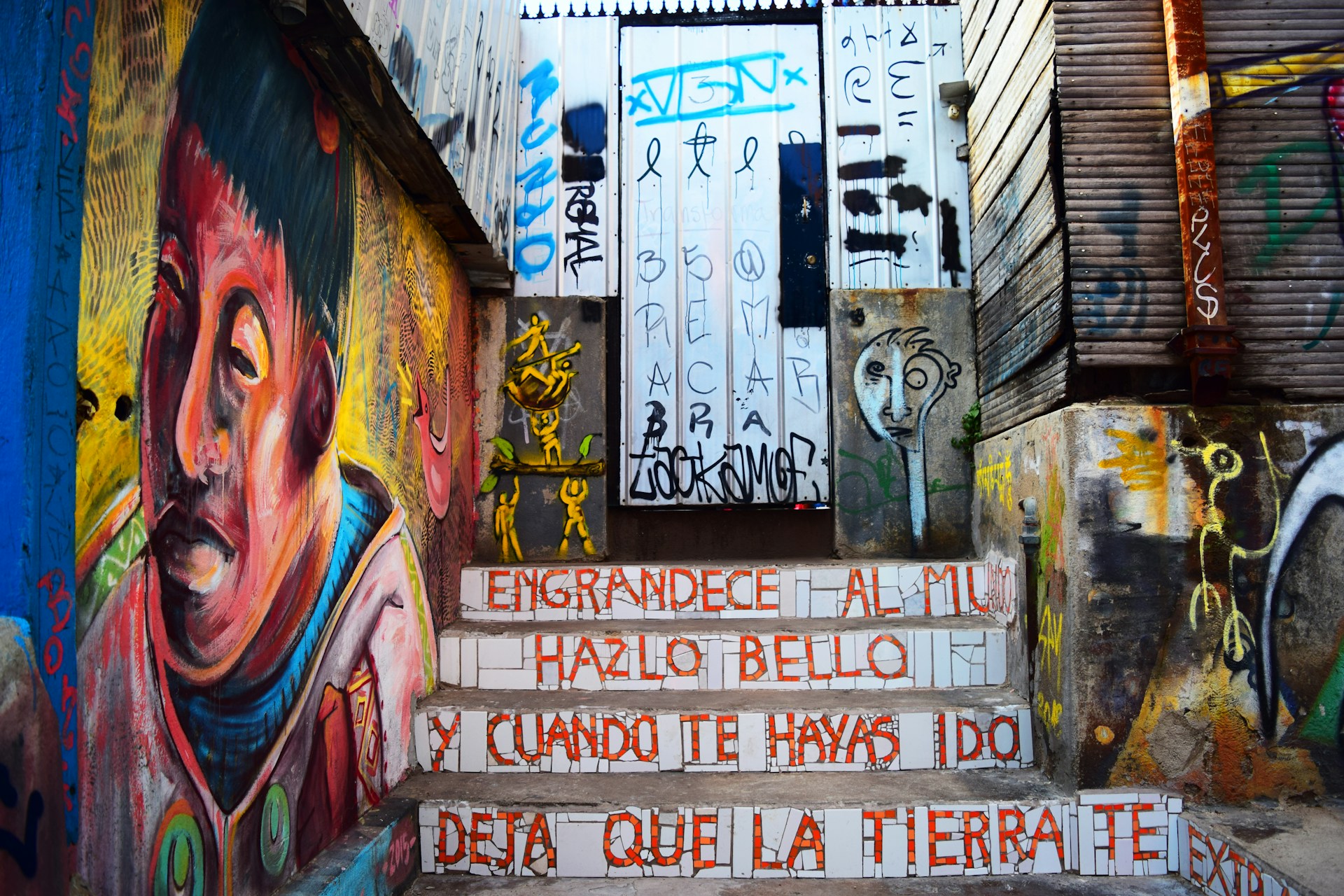

Across American cities, vibrant murals painted on building walls serve as cultural chronicles, political statements, and community beacons. Latino street art in the USA has evolved into a powerful medium that transforms urban landscapes into galleries celebrating heritage, struggle, and triumph. From Los Angeles to Miami, these colorful expressions tell stories that connect generations, preserve traditions, and amplify voices that have long fought for recognition and respect.
The roots of Latino street art stretch deep into history, drawing from ancient indigenous muralism traditions that date back to pre-Columbian civilizations. Mexican muralists like Diego Rivera, José Clemente Orozco, and David Alfaro Siqueiros established the foundation for using public walls as canvases for social commentary and cultural celebration. When Latino communities migrated to the United States, they brought these artistic traditions with them, adapting them to reflect their unique diaspora experiences and challenges in a new homeland.

Welcome to United Tribes
Where Mexican Culture Comes Alive
Join Your Tribe
Connect with your people
Discover Events
Watch parties & festivals
Find Mexican Businesses
Restaurants, markets & more
Earn Crown Credits
Get rewarded for engaging
Historical Foundations of Latino Muralism
The Chicano Movement of the 1960s and 1970s marked a pivotal moment for Hispanic murals in American cities. Artists began using walls in barrios and neighborhoods as platforms to address civil rights issues, labor struggles, and cultural identity. These early works challenged mainstream narratives while celebrating indigenous roots, family values, and community solidarity. The movement transformed street art from simple graffiti into sophisticated visual storytelling that demanded attention and respect.
During this period, neighborhoods in East Los Angeles, San Francisco's Mission District, and Chicago's Pilsen area became outdoor museums showcasing Latino experiences. Artists painted scenes depicting everything from ancient Aztec and Mayan imagery to contemporary immigration struggles, creating visual bridges between past and present. These murals served educational purposes in communities where formal cultural education was often limited, teaching younger generations about their heritage through accessible public art.
Cultural Identity and Symbolism
Latino community art incorporates rich symbolism that speaks directly to community members while educating broader audiences about Latino heritage. Common motifs include religious imagery, particularly depictions of the Virgin of Guadalupe, who appears frequently as a protective figure watching over neighborhoods. Aztec and Mayan symbols connect contemporary communities to their indigenous ancestry, while images of corn, eagles, and serpents carry deep spiritual significance.
Family themes dominate many murals, reflecting the central importance of familia in Latino culture. Artists often paint multigenerational portraits showing grandparents, parents, and children together, emphasizing continuity and tradition. These family scenes frequently incorporate elements from Latino festivals in the U.S., showing celebrations that maintain cultural connections across borders and generations.
Color choices in Latino street art carry specific meanings rooted in cultural traditions. Bright oranges and yellows represent the sun and life force, while deep blues and greens connect to indigenous spirituality. Red often symbolizes struggle and sacrifice, appearing in murals addressing social justice issues or honoring community leaders who fought for civil rights.
Geographic Hotspots and Regional Styles
Los Angeles stands as the undisputed capital of Latino street art in America, with neighborhoods like Boyle Heights, Lincoln Heights, and Pacoima featuring hundreds of murals. The city's street art reflects its predominantly Mexican-American population, with many works incorporating the symbolism of papel picado in Mexican celebrations and other traditional Mexican cultural elements.
Miami's Latino street art scene reflects the city's diverse Hispanic population, particularly its strong Cuban, Colombian, and Venezuelan communities. Wynwood Walls and Little Havana showcase murals that address political issues in Latin American countries while celebrating the resilience of immigrant communities. The art often incorporates tropical imagery, salsa music references, and symbols of resistance against authoritarian regimes.
San Francisco's Mission District has maintained its reputation as a Latino art hub since the 1970s, with Balmy Alley serving as an outdoor gallery featuring over 30 murals. The area's street art frequently addresses gentrification concerns, environmental justice, and immigrant rights, reflecting the neighborhood's ongoing struggles with displacement and cultural preservation.
Chicago's Pilsen neighborhood showcases Mexican muralism traditions adapted to Midwestern urban environments. The National Museum of Mexican Art anchors the community's cultural scene, while surrounding streets feature murals that connect Chicago's Mexican-American community to both their ancestral homeland and their adopted city.
Contemporary Themes and Social Commentary
Modern Latino street art in the USA addresses contemporary issues affecting Latino communities nationwide. Immigration policy, deportation fears, and border security concerns appear frequently in recent murals, often depicted through powerful imagery of divided families, children in cages, or figures crossing desert landscapes. These works serve as visual protests against policies that negatively impact Latino communities.
Educational advocacy represents another common theme, with murals promoting school attendance, college preparation, and professional achievement. Artists paint portraits of Latino doctors, teachers, engineers, and business leaders to provide positive role models for young community members. These works counter negative stereotypes while celebrating Latino contributions to American society.
Environmental justice issues also appear in contemporary Latino street art, particularly in communities affected by industrial pollution or climate change. Murals depicting clean air, healthy communities, and sustainable living practices advocate for policy changes while raising awareness about environmental health disparities.
Artists and Community Collaboration
The creation of Latino street art typically involves extensive community collaboration, with artists working closely with neighborhood residents, business owners, and community organizations. This collaborative approach ensures that murals reflect authentic community values and concerns rather than outside perspectives. Artists often hold community meetings to discuss proposed designs, incorporate resident feedback, and create works that truly represent neighborhood identity.
Many Latino street artists have gained international recognition while maintaining strong community connections. Artists like Judith Baca, who created the Great Wall of Los Angeles, and contemporary artists like El Mac and Levi Ponce continue pushing artistic boundaries while honoring traditional muralism principles.
Community involvement extends beyond the initial creation process. Residents often participate in mural maintenance, organizing cleaning days and touch-up sessions to preserve these important cultural assets. Local schools frequently organize field trips to view neighborhood murals, using them as teaching tools for history, art, and cultural studies classes.
Economic and Tourism Impact
Hispanic murals have generated significant economic benefits for Latino neighborhoods through cultural tourism. Cities like Los Angeles, San Antonio, and Miami now offer official mural tours that bring visitors and revenue to areas previously overlooked by mainstream tourism. These tours highlight both artistic achievement and cultural heritage while supporting local businesses like restaurants, shops, and galleries.
Property values in neighborhoods with well-maintained mural programs often experience increases, though this gentrification effect creates complex challenges for original community members. Some communities have developed strategies to capture tourism benefits while preventing displacement, including community land trusts and affordable housing protections.
The street art scene has also created economic opportunities for Latino artists, with successful muralists receiving commissions for private buildings, corporate headquarters, and public institutions. This economic success helps legitimize street art as a serious artistic medium while providing career paths for community members.
Preservation and Cultural Continuity
Preserving Latino street art presents ongoing challenges due to weather exposure, urban development, and changing neighborhood dynamics. Community organizations work to document existing murals through photography and oral history projects while advocating for protective policies and restoration funding.
Digital archives now preserve Latino street art history, making these works accessible to researchers, students, and community members worldwide. These online resources help maintain cultural continuity as neighborhoods change and original murals face threats from development or deterioration.
The integration of traditional elements, such as the legacy of Mexican mariachi music thriving in the U.S., ensures that Latino street art continues to connect with deep cultural roots while adapting to contemporary urban environments.
Murals as Cultural Bridges
Latino street art in the United States is more than decor and artistic expression. These works serve as vital cultural documents that preserve heritage, advocate for justice, and celebrate community resilience. From the Chicano Movement's early political statements to contemporary works addressing immigration and environmental concerns, Latino community art continues evolving while maintaining deep connections to ancestral traditions and contemporary struggles.
The economic impact, educational value, and cultural significance of Latino street art demonstrate the power of community-driven artistic expression. As these neighborhoods continue changing, murals provide stability and continuity, reminding residents and visitors alike of the rich cultural heritage that shapes Latino communities across America. These vibrant walls will continue telling stories for future generations, ensuring that Latino voices remain visible and celebrated in the American cultural landscape.
Visit United Tribes today and discover more about Latino culture and community celebrations that inspire powerful artistic expressions across the United States.
Make United Tribes Your Preferred Source
Add United Tribes on Google to get the latest stories, cultural updates, and community events directly in your Google Search and Top Stories.


