
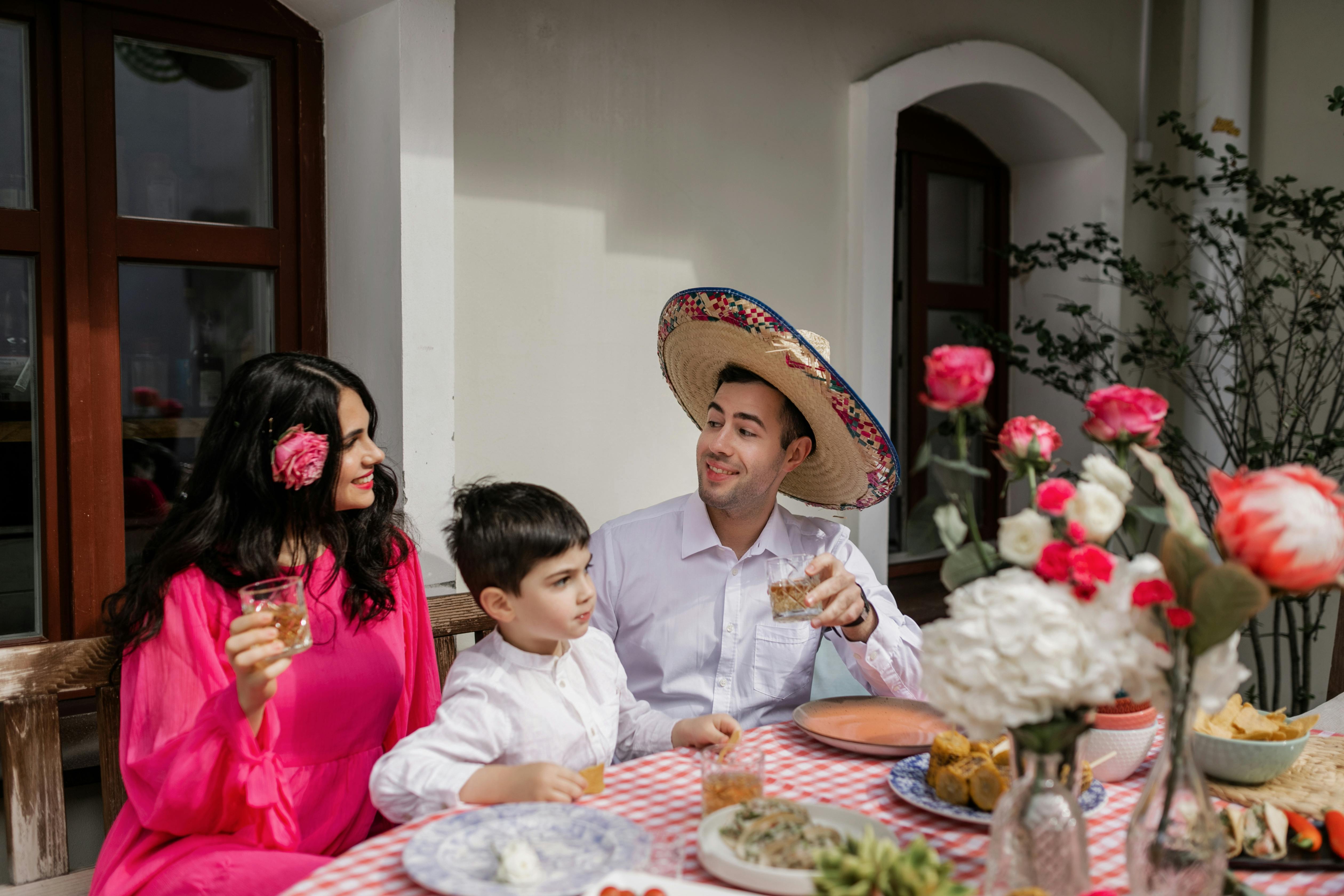


Every November, millions of Latino families across the United States create something magical at their dinner tables. These are a beautiful fusion of American tradition and Latin American heritage that transforms the typical Thanksgiving feast into a vibrant celebration of cultural identity. These gatherings represent far more than just a meal; they embody the immigrant experience, family bonds, and the art of preserving tradition while embracing new customs.
The Latino community has masterfully woven its culinary heritage into the fabric of American Thanksgiving, creating dishes that tell stories of migration, adaptation, and the enduring power of food to connect generations. From Mexican families adding tamales to their turkey spread to Colombian households serving arepas alongside cranberry sauce, these fusion celebrations showcase how the influence of Latin cuisine in the U.S. continues to evolve and enrich American food culture.
The Art of Hispanic Fusion Food at Thanksgiving
Hispanic fusion food takes center stage during Latino Thanksgiving celebrations, where traditional recipes blend seamlessly with American holiday staples in a harmonious blend of flavors. Mexican families often prepare turkey with mole poblano, transforming the classic centerpiece into a dish rich in chocolate and chili flavors that have been passed down through generations. The result is a dish that honors both cultures while creating entirely new taste experiences.
Puerto Rican households frequently feature pernil (slow-roasted pork shoulder) alongside their turkey, seasoned with sofrito and adobo that infuses the meat with Caribbean flavors. The traditional stuffing receives a tropical twist with the addition of plantains, resulting in a sweet and savory combination that reflects the island's agricultural abundance.
Cuban American families bring their own flair with congri (black beans and rice) replacing traditional sides. At the same time, Salvadoran households might serve pupusas as appetizers, filled with cheese and beans that warm guests before the main feast. These adaptations demonstrate how each Latino community maintains its distinct identity while participating in the broader American tradition.
Regional Variations Across Latino Communities
Colombian families often incorporate arepas con queso into their Thanksgiving spread, serving these corn cakes as a bread alternative that pairs beautifully with traditional cranberry sauce. The contrast between the neutral corn flavor and the tart berries creates an unexpected yet delightful combination that guests remember long after the meal has ended.
Dominican households often feature mangu (mashed plantains) as a distinctive side dish, sometimes combining it with traditional mashed potatoes to create a hybrid that reflects their bicultural experience. Venezuelan families might add hallacas to their table, bringing the flavors of their Christmas tradition into the November celebration.
Ecuadorian communities often prepare llapingachos (potato patties) alongside traditional casseroles. At the same time, Peruvian families might serve anticuchos (grilled beef heart skewers) as appetizers, introducing bold flavors that awaken the palate before the main course.
Latino Food Storytelling Through Holiday Traditions
Latino food and its storytelling reach their peak during Thanksgiving gatherings, where every dish carries the weight of family history and cultural memory. Grandmothers share tales of their first Thanksgivings in America while teaching younger generations to fold tamales or season turkey with traditional spices, ensuring that culinary knowledge passes from one generation to the next.
These stories often begin with immigration tales – how a Puerto Rican grandmother adapted her sofrito recipe to incorporate ingredients available at her new American grocery store, or how a Mexican family's mole recipe evolved to accommodate local tastes while preserving its authentic essence. La familia es todo, and these food stories strengthen family bonds while preserving cultural identity.
The kitchen becomes a classroom during Thanksgiving preparation, where children learn not just cooking techniques but also family values, cultural pride, and the importance of maintaining connections to their heritage. These moments create lasting memories that children will eventually share with their own families, ensuring cultural continuity across generations.
The Role of Food in Cultural Preservation
Food serves as a powerful vehicle for maintaining cultural connections, especially during major American holidays like Thanksgiving. When Latino families prepare traditional dishes alongside turkey and stuffing, they create bridges between their ancestral homeland and their current home, helping family members navigate their dual cultural identity.
The preparation process itself becomes a form of storytelling, as family members collaborate to create meals that represent their shared journey. Children learn about their grandparents' homeland through the flavors and techniques that have been passed down through generations. At the same time, parents share memories of their own childhood Thanksgivings and how traditions have evolved.
Regional Specialties That Define Latino Thanksgiving
Different regions across the United States have developed their own Latino Thanksgiving traditions, based on local immigrant populations and the availability of ingredients. In Texas, Mexican American families often feature barbacoa alongside their turkey, slow-cooking beef cheeks in traditional spices that fill the house with aromatic smoke throughout the day of preparation.
California's diverse Latino population creates incredibly varied Thanksgiving tables, with families incorporating ingredients from Mexico's diverse culinary traditions alongside influences from Central and South America. Los Angeles families might serve everything from Guatemalan pepian to Honduran baleadas, creating truly international Latino Thanksgiving experiences.
Florida's Caribbean Latino communities bring tropical flavors to their holiday tables, with Cuban families serving lechon (roasted pig) and Dominican households featuring pollo guisado (stewed chicken) alongside traditional sides like tostones (twice-fried plantains), which add a Caribbean flair to the American holiday.
East Coast Latino Thanksgiving Innovations
New York's Puerto Rican community has pioneered unique fusion dishes, such as pavo relleno con mofongo (a turkey stuffed with mofongo), combining the traditional holiday bird with the island's beloved fried plantain dish. This innovation represents the creativity that emerges when cultures blend in urban environments with diverse populations.
New Jersey's growing Colombian population has introduced sancocho as a Thanksgiving soup course, serving this hearty stew before the main meal to warm families on cold November days. The rich broth, filled with a variety of meats and vegetables, embodies the abundance and gratitude that are central to Thanksgiving celebrations.
The Future of Latino Thanksgiving Traditions
As Latino communities continue growing across the United States, their Thanksgiving traditions evolve and adapt to new circumstances while maintaining core cultural values. Third and fourth-generation Latino Americans are creating their own fusion traditions, sometimes incorporating ingredients and techniques from traditional Hispanic dishes beyond Mexico that reflect the increasing diversity within Latino communities.
Young Latino families are documenting their food traditions through social media and family cookbooks, ensuring that recipes and stories survive in digital formats for future generations. These efforts help preserve cultural knowledge while making it accessible to family members who might be geographically distant from traditional cultural centers.
The growing recognition of Latino contributions to American food culture has also elevated these Thanksgiving traditions beyond individual families. Restaurants and food writers are celebrating Latino traditions, helping to normalize and appreciate the cultural fusion that has always been part of the American immigrant experience.
The increasing support for local Latin businesses during the holiday shopping season also strengthens these food traditions, as families source specialty ingredients from Latino groceries and purchase prepared dishes from local restaurants that understand their cultural needs.
Celebrating Heritage Through Food
Latino Thanksgiving tables represent the beautiful complexity of the American immigrant experience, where families honor their heritage while embracing new traditions. These celebrations demonstrate how Hispanic fusion food creates powerful connections between past and present, ensuring that cultural identity thrives within the broader American tradition. The dishes served at these gatherings carry stories of resilience, adaptation, and the enduring importance of family bonds that transcend geographical boundaries.
As Latino communities continue to grow and evolve across the United States, their Thanksgiving traditions will undoubtedly continue adapting while maintaining the core values of gratitude, family, and cultural pride. These celebrations remind us that American traditions are strongest when they embrace the diverse contributions of all communities, creating richer experiences for everyone involved.
Visit United Tribes today and discover more about Latino culture and community celebrations that unite families throughout the year.


