
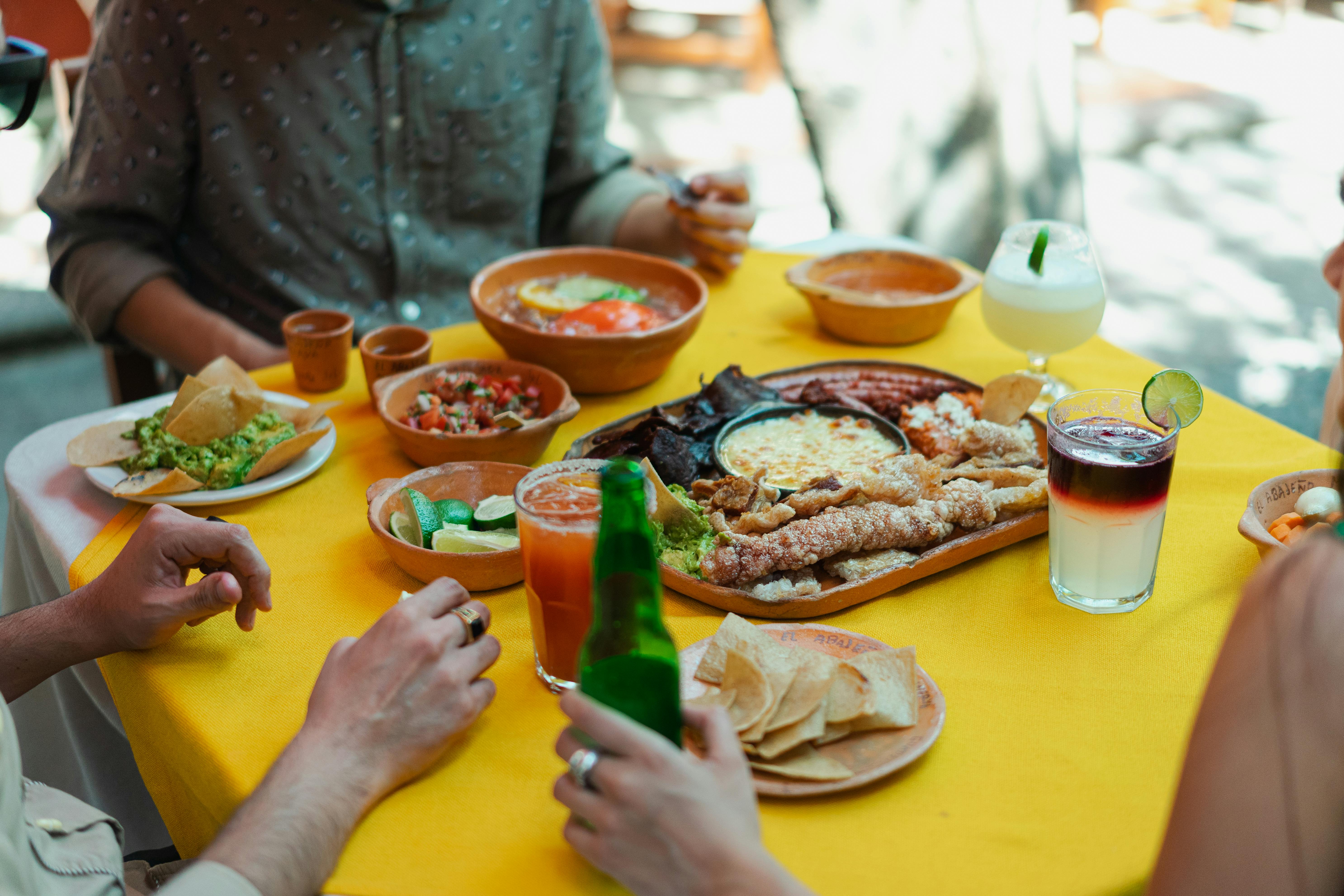


Food as the First Language of Latino Culture
Walk into any Latino home during a celebration, and you will feel it before you see it — the warmth radiating from the kitchen, the scent of slow-cooked meats and toasted spices, the sound of sizzling oil and familiar voices layering over each other. In Latino food culture, the table is never just a place to eat. It is where families reconnect, where traditions are passed down, and where belonging is made tangible. Food is not a side note to the gathering. It is the gathering.
This truth runs across every Latin American country and every generation of the diaspora. Whether it is a birthday, a quinceañera, a Sunday afternoon, or a holiday like Nochebuena, the meal is the anchor. Understanding why reveals something profound about Latino values — hospitality, sacrifice, togetherness, and love expressed through labor.
The Kitchen as Sacred Space
In most Latino households, the kitchen is not a utilitarian room. It is where grandmothers hold court, where recipes are taught without measuring cups, and where the most important conversations happen. A single person rarely prepares meals for Hispanic families. They are communal acts — aunts chopping, cousins stirring, children watching and absorbing.
This collaborative cooking is itself a form of cultural transmission. A daughter learning to make tamales from her mother is inheriting technique, memory, patience, and identity through learning the recipe. The same applies to mole, pozole, pernil, arroz con leche, and dozens of other dishes that carry the fingerprints of generations before them. Latin American ingredients like quinoa and amaranth also remind us that many staples of today's kitchen have roots stretching back centuries through indigenous tradition.
What Every Dish Communicates
Food for Latino gatherings is rarely simple or quick to prepare. Dishes like barbacoa, sancocho, or tamales demand hours — sometimes days — of preparation. That investment of time is intentional and meaningful. When someone prepares a labor-intensive meal for a gathering, they are making a statement: *you are worth this effort*.
This is how love is communicated in many Latino households. It is less about words and more about the steaming pot on the stove, the handmade tortillas wrapped in cloth, the dessert that took all night to set. Food becomes the primary love language of the household, and guests who eat well leave feeling genuinely seen and cared for.
The influence of Latin cuisine in the U.S. has grown precisely because this emotional weight behind the food is perceptible to anyone who experiences it. You taste the effort, intention, and a variety of flavors with every bite.
Celebrations Built Around the Table
Latino celebrations are structured around food in ways that other cultural gatherings often are not. The event does not begin until the food is ready. Guests do not leave until everyone has eaten — and usually eaten twice. Leftovers are packed and sent home as gifts.
Consider the following hallmarks of Latino food culture:
- Abundance is a sign of respect — running out of food is considered a hosting failure
- Sharing plates encourages conversation and connection across the table
- Regional dishes signal heritage and hometown pride, sparking stories and memories
- Homemade over store-bought is almost always the default, no matter the occasion
From backyard carne asadas to elaborate holiday spreads, the meal is the common thread. Building community through celebration is something Latino families have always done naturally, and food is the mechanism that makes it possible.
Food as a Form of Cultural Resistance
For Latino communities in the United States, maintaining cultural food traditions is also an act of identity preservation. In environments where assimilation pressures are constant, cooking and sharing traditional food becomes a quiet but powerful form of resistance. It says: *We remember where we come from and choose to carry it forward.*
This is especially visible during holidays. At Christmas, for example, the food on the table is deeply tied to origin. A Mexican family may make ponche and tamales. A Puerto Rican family may prepare pernil and pasteles. A Cuban family may center the meal around lechón.
Supporting the Businesses That Keep These Traditions Alive
Behind every culturally rooted meal is often a small business — the local carnecería, the family-owned bakery, the Latin grocery store stocking imported ingredients unavailable elsewhere. These businesses are cultural anchors that make it possible to cook authentically in a new country.
Supporting local Latin businesses is directly connected to preserving Latino food culture. When a community invests in these establishments, it ensures that the ingredients, techniques, and flavors of home remain accessible for the next generation.
Food, Family, and Cultural Belonging
Latino food culture is not simply about taste or tradition for its own sake. It is about the values embedded in every step of preparation and every seat at the table — generosity, memory, pride, and love. The meal at a Latino gathering tells you everything you need to know about what the community holds dear. It is the most honest form of self-expression a culture can offer.
For those who grew up in these traditions and for those discovering them for the first time, food opens a door that no other experience can replicate. It collapses the distance between generations, between countries, and between strangers who share a heritage they may express differently but feel in the same way.
Visit United Tribes today to learn more about Latino culture and community — from the businesses keeping traditions alive to the events and stories that celebrate the richness of the Hispanic experience across the United States.


