
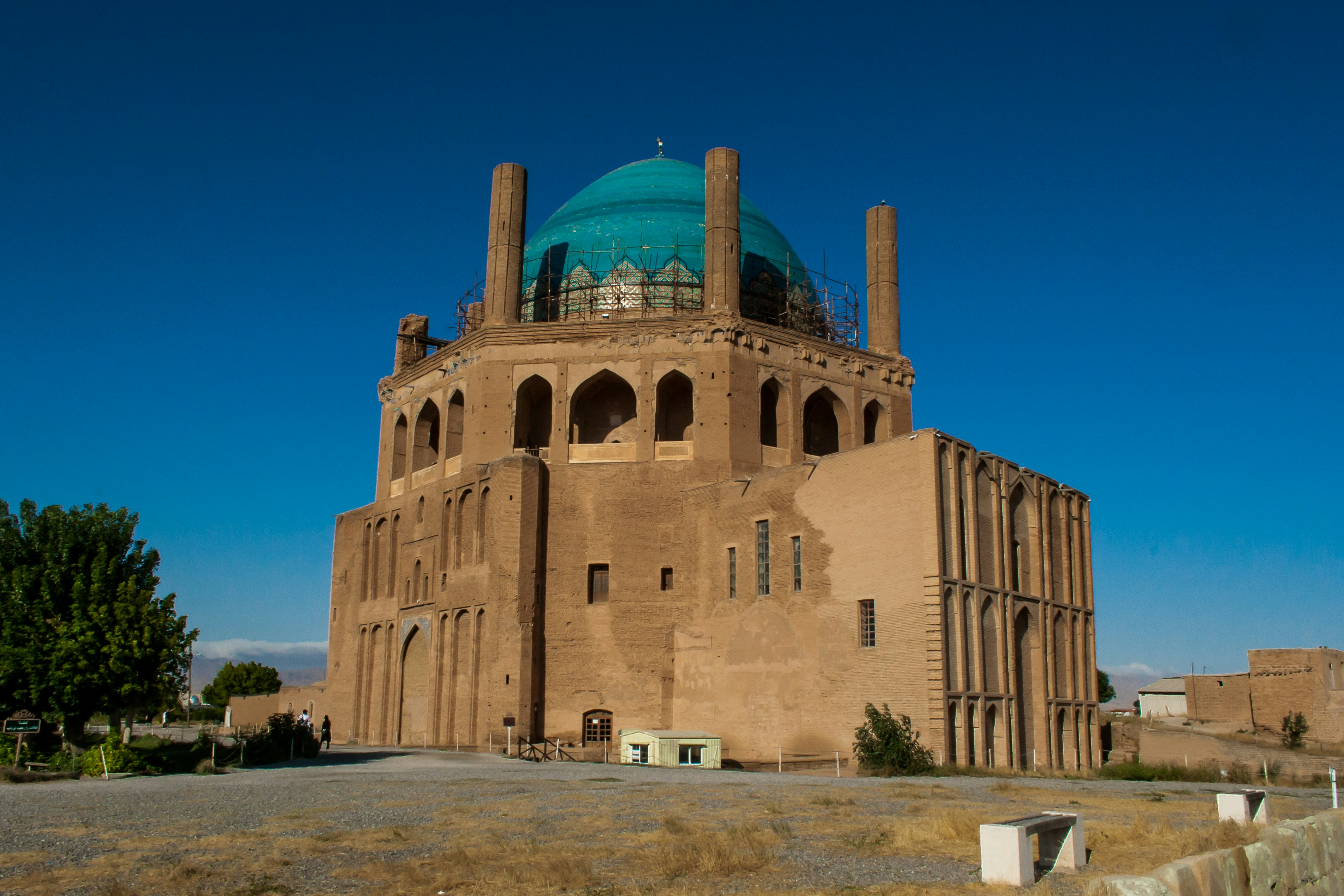


As we advance through 2026, Persian art and architecture are experiencing an unprecedented renaissance in global design circles. The timeless beauty of Persian artistic traditions, characterized by intricate geometric patterns, vibrant colors, and symbolic motifs, is finding new expression in contemporary spaces worldwide.
The Persian art revival we're witnessing today goes far beyond mere trend-following; it represents a deeper appreciation for the sophisticated craftsmanship and philosophical depth that have defined Persian culture for millennia. From ancient Persepolis to contemporary Tehran, the artistic legacy continues to evolve while maintaining its distinctive identity that makes Persian culture so compelling.
The Digital Renaissance of Persian Geometric Patterns
Architecture trends in 2026 are heavily influenced by the mathematical precision and spiritual symbolism found in traditional Persian geometric designs. Contemporary architects worldwide are incorporating these ancient patterns into modern building facades, interior spaces, and urban planning projects. The cultural design influence extends beyond mere decoration, as these patterns carry deep meanings rooted in Persian philosophy and Islamic cosmology.
Modern Interpretations of Classical Motifs
Digital fabrication technologies have revolutionized how Persian geometric patterns are integrated into contemporary architecture. 3D printing and laser cutting allow for the precise reproduction of complex patterns that would have taken master craftsmen months to complete. These technologies enable architects to scale traditional motifs for large architectural elements while maintaining their intricate detail and symbolic integrity.
Smart building integration is another emerging trend where Persian patterns serve functional purposes beyond aesthetics. Perforated facades featuring traditional geometric designs provide natural ventilation and light control while creating striking shadow patterns that change throughout the day, evoking the interplay between light and darkness celebrated during Shabe Yalda.
Color Palettes Inspired by Persian Miniatures
The rich color traditions of Persian miniature paintings are experiencing a remarkable revival in contemporary interior design. The sophisticated palette of deep blues, emerald greens, rich crimsons, and golden yellows that characterized classical Persian art is being adapted for modern spaces with remarkable success.
Jewel-tone maximalism has become a defining characteristic of Persian-inspired interiors in 2026. Designers are moving away from minimalist neutrals toward spaces that celebrate color as a form of cultural expression. This trend reflects a growing desire to create environments that tell stories and honor heritage, much like the ceremonial elements found in traditional celebrations.
Textile Innovation and Traditional Craftsmanship
Persian carpet designs are being reimagined through sustainable materials and innovative weaving techniques. Contemporary designers are creating large-scale installations that transform traditional carpet motifs into architectural elements, blurring the line between art, craft, and spatial design. These installations often incorporate recycled materials and eco-friendly dyes while maintaining the visual impact of traditional Persian textiles.
The hospitality industry has particularly embraced these textile innovations, with luxury hotels and restaurants incorporating Persian-inspired carpets and wall hangings to create immersive cultural experiences that reflect the warmth and generosity central to Persian hospitality.
Biophilic Design Meets Persian Garden Aesthetics
Persian garden design principles, with their emphasis on water features, geometric layouts, and the integration of nature and architecture, are gaining renewed relevance in sustainable design. The concept of the Persian paradise garden (pairidaeza) is being adapted for urban environments, seeking to create green spaces that provide both environmental benefits and cultural connection.
Water as a Central Design Element
Contemporary architects are incorporating Persian-inspired water features that serve both aesthetic and functional purposes. These installations often combine traditional fountain designs with modern water recycling systems, creating sustainable features that honor Persian artistic traditions while addressing contemporary environmental concerns.
Rooftop gardens designed according to Persian principles are becoming increasingly popular in urban developments. These spaces feature the traditional four-part garden layout (chahar bagh), adapted to modern building requirements, creating tranquil oases that celebrate Persian cultural heritage while providing essential green space in dense urban environments.
Adaptive Restoration and Cultural Preservation
The preservation and adaptive reuse of historical Persian architectural elements is gaining momentum as communities recognize the importance of maintaining their cultural heritage. Restoration projects worldwide are incorporating advanced conservation techniques while ensuring that historical buildings remain relevant for contemporary use.
Museums and cultural centers are leading this preservation effort, creating spaces that showcase Persian artistic traditions while serving as community gathering places. These projects often involve collaboration between traditional craftsmen and contemporary architects, ensuring that ancient techniques are preserved and passed on to new generations.
Community-Centered Design Approaches
Persian-inspired community centers are being designed to reflect the cultural values of hospitality, family connection, and artistic expression. These spaces often feature flexible layouts that accommodate everything from intimate gatherings to large celebrations, incorporating traditional design elements that foster cultural continuity and belonging.
Technology Integration in Persian Artistic Expression
Digital art installations incorporating Persian calligraphy and geometric patterns are becoming prominent features in public spaces and cultural institutions. These interactive installations allow visitors to explore the mathematical relationships underlying Persian art while experiencing the beauty of traditional forms in new ways.
Virtual reality experiences are being developed to allow people worldwide to explore historical Persian architectural sites and understand the cultural context behind artistic traditions. These technologies are particularly valuable for diaspora communities seeking to maintain connections with their heritage while living in different cultural contexts.
Augmented Reality and Cultural Education
AR applications are being developed to overlay historical information and cultural context onto Persian art and architecture. These tools enhance museum experiences and cultural site visits, providing a deeper understanding of the symbolic meanings and historical significance behind artistic choices.
Smart home integration incorporates Persian design principles into lighting and climate-control systems, creating environments that respond to natural rhythms and seasonal changes, reflecting the deep connection to natural cycles that characterizes Persian culture and is beautifully expressed in traditional wedding ceremonies and other events.
Preserving Heritage Through Innovation
The emerging trends in Persian art and architecture for 2026 demonstrate how cultural traditions can evolve and thrive in contemporary contexts while maintaining their essential character and meaning. From digital interpretations of ancient geometric patterns to sustainable garden designs inspired by Persian paradise concepts, these developments represent a sophisticated dialogue between tradition and innovation. The growing cultural design influence of Persian aesthetics reflects a broader recognition of the value that diverse cultural perspectives bring to contemporary design challenges.
Visit United Tribes today to learn more about Persian culture and community, discover local Persian businesses and cultural events, and connect with others who share an appreciation for this remarkable artistic heritage.


