
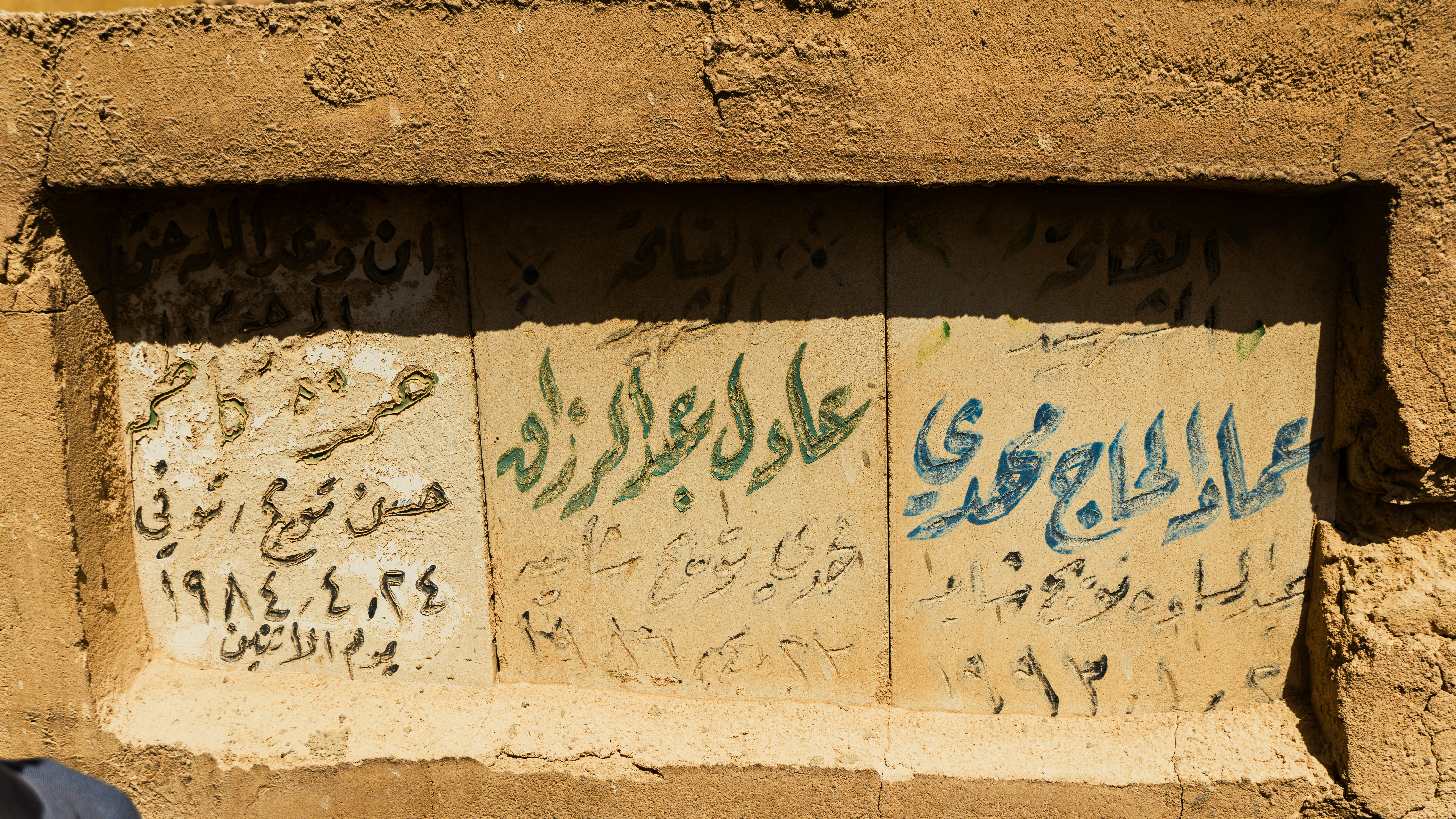


The graceful curves of Persian script have captivated hearts for centuries, transforming simple words into breathtaking visual poetry. In cities across the United States, Persian calligraphy workshops are emerging as cultural bridges, connecting Iranian-Americans and art enthusiasts with this ancient tradition. These immersive learning experiences provide an enriching pathway to understanding the soul of Persian culture through the delicate dance of brush and ink.
The Rich Heritage of Persian Calligraphy
Persian calligraphy represents one of the world's most sophisticated writing systems, with roots stretching back over a millennium. This Iranian calligraphy art form evolved from practical communication into an elevated spiritual and artistic practice, deeply intertwined with Persian poetry, literature, and Islamic traditions.
Historical Development and Styles
The art form flourished during the Safavid dynasty, when master calligraphers developed distinct styles that remain influential today. Nastaliq, known for its flowing, cursive nature, became the preferred script for Persian poetry and literature. Shekasteh, with its broken and abbreviated forms, offered a more casual yet elegant approach to everyday writing.
Traditional Persian calligraphers spent years mastering the precise movements required to create each letter. The practice demanded not only technical skill but also deep spiritual discipline, as many viewed calligraphy as a form of meditation and a means of connecting with the divine.
Cultural Significance in Persian Society
In Persian culture, beautiful handwriting has always been considered a mark of education and refinement. Calligraphy adorned everything from architectural monuments to personal correspondence, making it an integral part of daily life. The tradition emphasized that Persian heritage encompasses both artistic expression and spiritual practice.
Persian Calligraphy Workshops Across America
Today's Persian calligraphy workshops are breathing new life into this ancient art form, adapting traditional teaching methods for contemporary learners while preserving authentic techniques passed down through generations.
Workshop Locations and Communities
Major metropolitan areas with significant Persian populations host regular calligraphy workshops. Los Angeles, with its vibrant Iranian-American community, offers numerous learning opportunities through cultural centers and art studios. The San Francisco Bay Area provides workshops that blend traditional instruction with modern artistic interpretations.
East Coast cities like New York and Washington, D.C., feature workshops often hosted by Persian cultural organizations and universities with strong Middle Eastern studies programs. These sessions frequently coincide with Persian cultural celebrations, including Nowruz festivities and other traditional holidays.
What to Expect in a Persian Calligraphy Workshop
Calligraphy workshops typically begin with an introduction to the basics of Persian script, including letter formation and connection rules. Students learn to hold traditional tools properly, such as the qalam (reed pen) or brush, and to prepare ink mixtures according to historical methods.
Initial lessons focus on individual letter practice, with instructors demonstrating the precise wrist movements and breathing techniques that create smooth, flowing strokes. Students practice on specially prepared paper, often using guidelines that help maintain proper proportions and spacing.
Learning Traditional Tools and Techniques
Authentic Persian calligraphy requires specific materials and techniques that workshops carefully preserve and teach to maintain artistic integrity.
Essential Calligraphy Materials
Traditional Persian calligraphy utilizes handcrafted reed pens made from bamboo or other natural materials. Workshop instructors often demonstrate pen preparation, showing students how to cut and shape the reed tip for optimal ink flow and line variation.
Paper selection plays a crucial role in the quality of calligraphy. Workshops introduce students to different paper types, from traditional handmade varieties to modern alternatives that provide suitable surfaces for learning. The paper must absorb ink properly while allowing smooth pen movement.
Ink preparation follows time-honored recipes using natural ingredients. Many workshops teach students to create their own ink using traditional methods, connecting them to centuries of artistic practice.
Fundamental Writing Techniques
Proper posture and positioning form the foundation of Persian calligraphy. Students learn to sit correctly, position their writing surface at the appropriate angle, and maintain steady hand control throughout extended writing sessions.
Breathing coordination with pen movements helps create the rhythmic flow characteristic of Persian script. Instructors emphasize how controlled breathing enhances concentration and produces more consistent lettering.
Stroke sequences follow specific patterns for each letter, ensuring proper formation and connection with adjacent characters. These sequences, refined over centuries, maximize both efficiency and beauty in the finished work.
Modern Applications and Artistic Expression
Contemporary Iranian calligraphy art workshops explore how traditional techniques can address modern artistic and personal expression needs while maintaining cultural authenticity.
Contemporary Art Integration
Many workshops demonstrate how Persian calligraphy integrates with contemporary art forms, creating mixed-media pieces that appeal to modern aesthetic sensibilities. Students learn to combine traditional script with watercolor, digital design elements, and various artistic mediums.
Wedding and celebration applications remain popular, with workshops teaching students to create beautiful invitations, certificates, and decorative pieces for special occasions. This practical application helps preserve tradition within Persian-American families by celebrating important milestones.
Personal and Spiritual Development
Beyond artistic technique, workshops often emphasize the meditative aspects of Persian calligraphy. Many participants find that the focused concentration required for beautiful writing provides stress relief and spiritual grounding, connecting them to the contemplative traditions of Persian culture.
The practice encourages mindfulness and patience, qualities that Persian hospitality traditions have always valued. Students often report that calligraphy practice enhances their connection to their heritage while providing personal fulfillment.
Building Community Through Shared Learning
Persian calligraphy workshops serve as gathering places where Iranian-Americans and cultural enthusiasts form lasting connections while preserving important artistic traditions.
Intergenerational Knowledge Transfer
These workshops facilitate crucial knowledge transfer between generations, allowing elderly masters to share their expertise with younger practitioners. Many sessions feature guest instructors who learned calligraphy in Iran, bringing authentic techniques and cultural context to American learning environments.
Family participation strengthens cultural bonds as parents and children learn together. This shared experience reinforces Persian identity while adapting to American educational approaches that encourage questions and creative exploration.
Cultural Celebration Integration
Workshop schedules often align with Persian cultural celebrations, creating meaningful connections between artistic practice and cultural observance. During Shabe Yalda, workshops might focus on writing Hafez poetry, while Nowruz sessions could emphasize creating decorative pieces for spring celebrations.
These connections help participants understand how calligraphy historically supported Persian literary and cultural traditions, making their learning experience more meaningful and culturally grounded.
Finding and Joining Persian Calligraphy Workshops
Interested students can discover opportunities in Persian calligraphy through various community resources and cultural organizations nationwide.
Research and Registration Process
Persian cultural centers often maintain updated workshop schedules and can provide recommendations for qualified instructors. Many workshops accommodate a range of skill levels, from complete beginners to those seeking advanced technique refinement.
Class formats vary from intensive weekend workshops to ongoing weekly sessions that allow gradual skill development. Some programs offer private instruction for students seeking personalized attention or specific project guidance.
Prerequisites typically include basic familiarity with Persian script, though many beginner workshops provide foundational instruction. Students should come prepared with patience and dedication, as mastery of calligraphy requires consistent practice and cultural appreciation.
The growing interest in Iranian calligraphy art reflects broader cultural appreciation trends, with workshops serving both heritage preservation and cross-cultural artistic exchange. These learning opportunities honor traditional methods while adapting to contemporary educational needs, ensuring that the beauty of Persian calligraphy continues to flourish in American cultural landscapes.
Preserving Persian Artistic Heritage
Persian calligraphy workshops across the United States offer invaluable opportunities to connect with ancient artistic traditions while fostering community among Iranian Americans. These learning experiences preserve cultural heritage through hands-on instruction, traditional tool use, and the authentic transmission of techniques from master practitioners. The workshops help develop multiple skills, all while making them essential resources for anyone seeking a deeper connection to Persian traditions.
The growing availability of Persian calligraphy workshops demonstrates the community's commitment to maintaining cultural identity while adapting to American educational environments. Whether you're seeking artistic fulfillment, cultural connection, or meditative practice, these workshops provide pathways to understanding Persian values and traditions through beautiful writing.
Visit United Tribes today to learn more about Persian culture and community opportunities in your area.


