
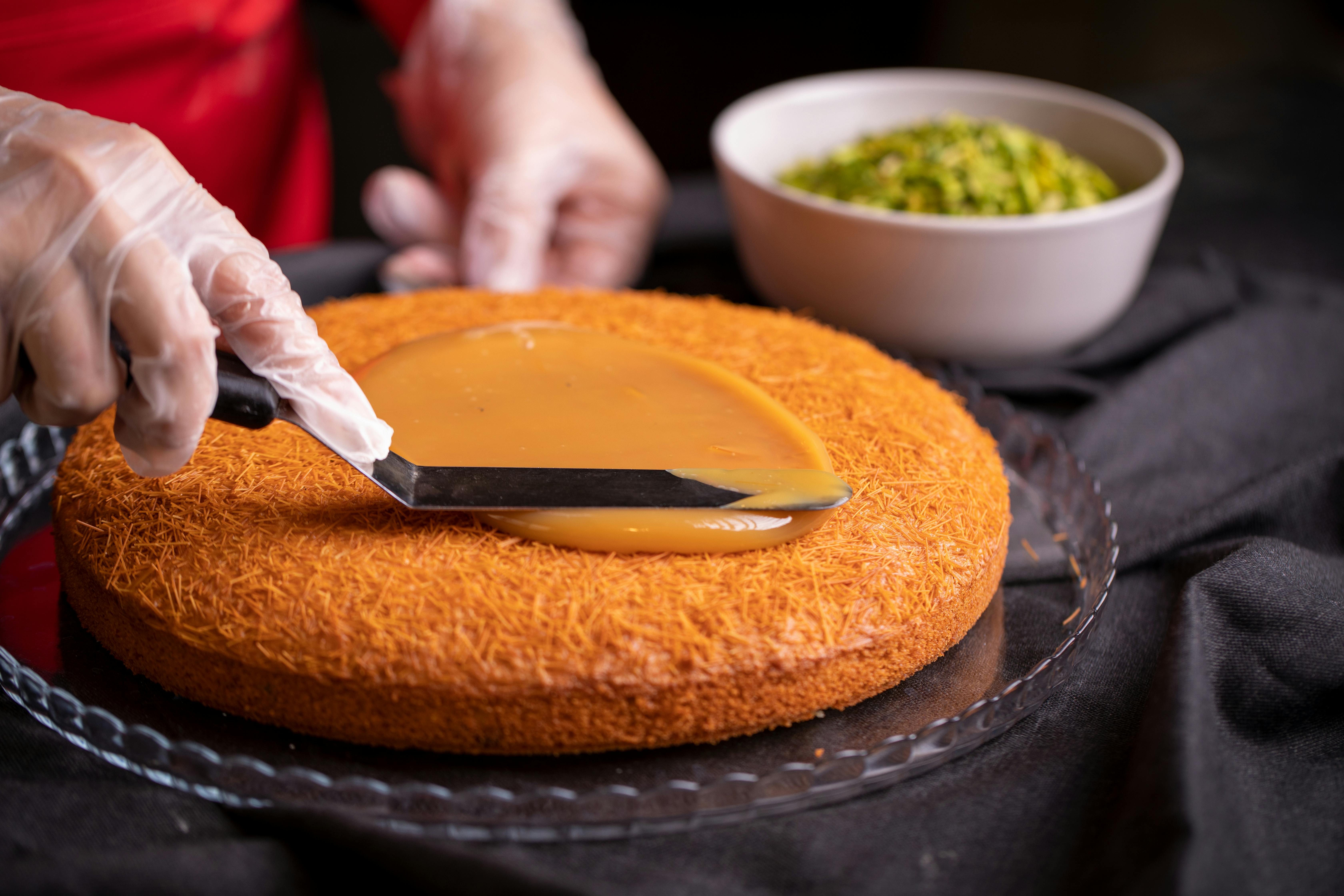

The aromatic blend of saffron, cardamom, and rosewater has traveled far from the ancient kitchens of Persia, finding new expression in contemporary American dining rooms. Today's Iranian-American chefs are masterfully bridging centuries-old culinary traditions with modern techniques, creating a vibrant Persian cuisine movement that honors ancestral recipes while embracing innovation.
The Evolution of Persian Culinary Identity in America
Iranian immigrants brought their rich culinary heritage to American shores, initially recreating traditional dishes to maintain connections to their homeland. However, as second and third-generation Iranian-Americans entered professional kitchens, they began reimagining these classics through a contemporary lens. This transformation reflects the broader experience of diaspora communities as they adapt their cultural practices to new environments while preserving their essence.

Welcome to United Tribes
Where Persian Culture Comes Alive
Join Your Tribe
Connect with your people
Discover Events
Watch parties & festivals
Find Persian Businesses
Restaurants, markets & more
Earn Crown Credits
Get rewarded for engaging
Modern Persian cuisine in America has evolved beyond simple adaptation. Chefs are now deliberately deconstructing traditional dishes, analyzing their core flavors, and reconstructing them using modern techniques and locally sourced ingredients. This approach has led to innovative interpretations that maintain the soul of Persian cooking while appealing to diverse palates.
The Iranian food trends emerging from this movement showcase sophisticated techniques like molecular gastronomy applied to traditional ingredients, elevated presentations of comfort foods, and fusion approaches that incorporate American and international influences.
Signature Persian Fusion Dishes Transforming American Palates
Contemporary Iranian-American chefs have created remarkable Persian fusion dishes that demonstrate the versatility of traditional ingredients and techniques. Deconstructed fesenjan, the classic walnut-and-pomegranate stew, now appears as elegant small plates featuring pomegranate-glazed proteins with walnut praline garnishes. This transformation maintains the dish's signature sweet-and-sour profile while presenting it in familiar American formats.
Tahdig innovations have particularly captured the attention of food enthusiasts nationwide. The beloved crispy rice bottom has been reimagined as tahdig tacos, where the crispy rice forms taco shells filled with traditional Persian ingredients. Some chefs create tahdig towers and other elaborate presentations that transform this humble comfort food into restaurant showstoppers.
Modern interpretations of kebabs have moved far beyond traditional preparations. Chefs now create kebab sliders with traditional spice blends, incorporate Persian marinades into contemporary protein preparations, and develop vegetarian versions that mirror the complex flavors of traditional meat dishes.
Traditional Spices in Contemporary Applications
The foundation of any Persian dish lies in its sophisticated spice combinations, and modern chefs are finding innovative ways to incorporate these complex flavor profiles into contemporary cooking. Persian spices provide a roadmap for these culinary explorations, with traditional combinations like advieh inspiring modern seasoning blends.
Saffron applications have expanded dramatically in modern Persian fusion cooking. Beyond traditional rice dishes, chefs now incorporate saffron into cocktails, dessert preparations, and even savory ice creams. The spice's distinctive flavor and color make it particularly valuable for creating memorable dining experiences that immediately signal Persian influence.
Sumac and barberry innovations showcase how traditional ingredients can find new purposes in contemporary kitchens. Sumac now appears in modern salad dressings, cocktail garnishes, and as a finishing salt for various dishes. Barberries, traditionally used in rice dishes, now enhance everything from chocolate desserts to artisanal cheese accompaniments.
Modern chefs are also experimenting with rosewater and orange blossom in savory applications, moving these ingredients beyond their traditional dessert roles. These floral elements now enhance cocktails, appear in sophisticated sauces, and add unique aromatic notes to contemporary Persian fusion dishes.
Restaurant Innovation and Cultural Preservation
Leading Iranian-American restaurants across the country demonstrate how innovation can coexist with cultural preservation. These establishments serve as cultural ambassadors, introducing unfamiliar American diners to Persian flavors while satisfying the nostalgia needs of Iranian-American communities. This dual mission requires careful balancing of authenticity and accessibility.
Menu development strategies in successful Persian fusion restaurants often feature traditional dishes alongside their modern interpretations, allowing diners to experience both approaches. This educational aspect helps build appreciation for Persian culinary traditions while demonstrating their contemporary relevance. Many establishments provide detailed menu descriptions that explain the cultural significance of ingredients and preparation methods.
The evolution of presentations in Persian restaurants reflects broader American dining trends while maintaining cultural integrity. Traditional communal dining concepts are adapted for individual portion preferences, elaborate garnishing techniques highlight the natural beauty of Persian ingredients, and modern plating styles showcase the sophisticated nature of Persian cuisine.
Restaurant success in this category often depends on effective storytelling that connects diners to the cultural significance of their dining experience. Persian hospitality traditions continue to influence service styles even in contemporary settings, creating dining experiences that feel authentic and welcoming.
Home Kitchen Adaptations and Modern Techniques
Iranian-American home cooks are also participating in this culinary evolution, adapting traditional family recipes for modern kitchens and contemporary lifestyles. Modern appliances such as pressure cookers and sous vide machines are being incorporated into Persian cooking, reducing cooking times while maintaining traditional flavors.
Ingredient accessibility has improved dramatically as Persian cuisine gains popularity. Specialty ingredients once available only in Iranian grocery stores now appear in mainstream supermarkets, making it easier for both Persian families and curious food enthusiasts to explore these flavors at home.
Home cooks are developing simplified techniques that maintain the essence of complex traditional preparations while fitting into busy modern schedules. These adaptations often involve make-ahead components, one-pot versions of multi-step dishes, and creative use of modern kitchen equipment to achieve traditional results more efficiently.
The sharing of these adaptations through social media and food blogs has created a vibrant online community of Persian cooking enthusiasts, fostering innovation while preserving traditions.
Cultural Identity and Culinary Innovation
The evolution of Persian cuisine in America reflects broader themes of cultural adaptation and preservation within immigrant communities. For many Iranian-Americans, food serves as a primary connection to their heritage, making culinary innovation both exciting and sensitive territory. Successful fusion approaches respect traditional foundations while allowing for creative expression.
Generational perspectives on Persian fusion vary significantly within Iranian-American communities. While some embrace innovative approaches as natural cultural evolution, others prefer strict adherence to traditional methods. The most successful modern Persian restaurants and chefs navigate these perspectives by demonstrating deep respect for traditions while explaining the reasoning behind their innovations.
The identity expressed through food becomes particularly complex for second- and third-generation Iranian-Americans, who may feel simultaneously connected to and distant from their ancestral culinary traditions. Modern Persian fusion allows these individuals to engage with their heritage in ways that feel authentic to their American experience while honoring their family histories.
Persian cultural authenticity remains a guiding principle even in innovative applications, ensuring that fusion approaches enhance rather than diminish the cultural significance of traditional dishes.
Persian Cuisine's Bright American Future
The transformation of Persian cuisine in modern American kitchens represents a masterful balance of reverence and innovation. Iranian-American chefs and home cooks continue to honor their culinary heritage while creating exciting new expressions that introduce Persian flavors to broader audiences.
The success of Persian fusion dishes and modern interpretations of classic recipes demonstrates the universal appeal of Persian flavors and cooking techniques. As more Americans discover the sophistication and complexity of Persian cuisine, the influence of these culinary traditions will continue expanding throughout the American food landscape.
Visit United Tribes today to learn more about Persian culture and community, and connect with restaurants, events, and fellow food enthusiasts who share your passion for this remarkable culinary heritage.
Make United Tribes Your Preferred Source
Add United Tribes on Google to get the latest stories, cultural updates, and community events directly in your Google Search and Top Stories.


