
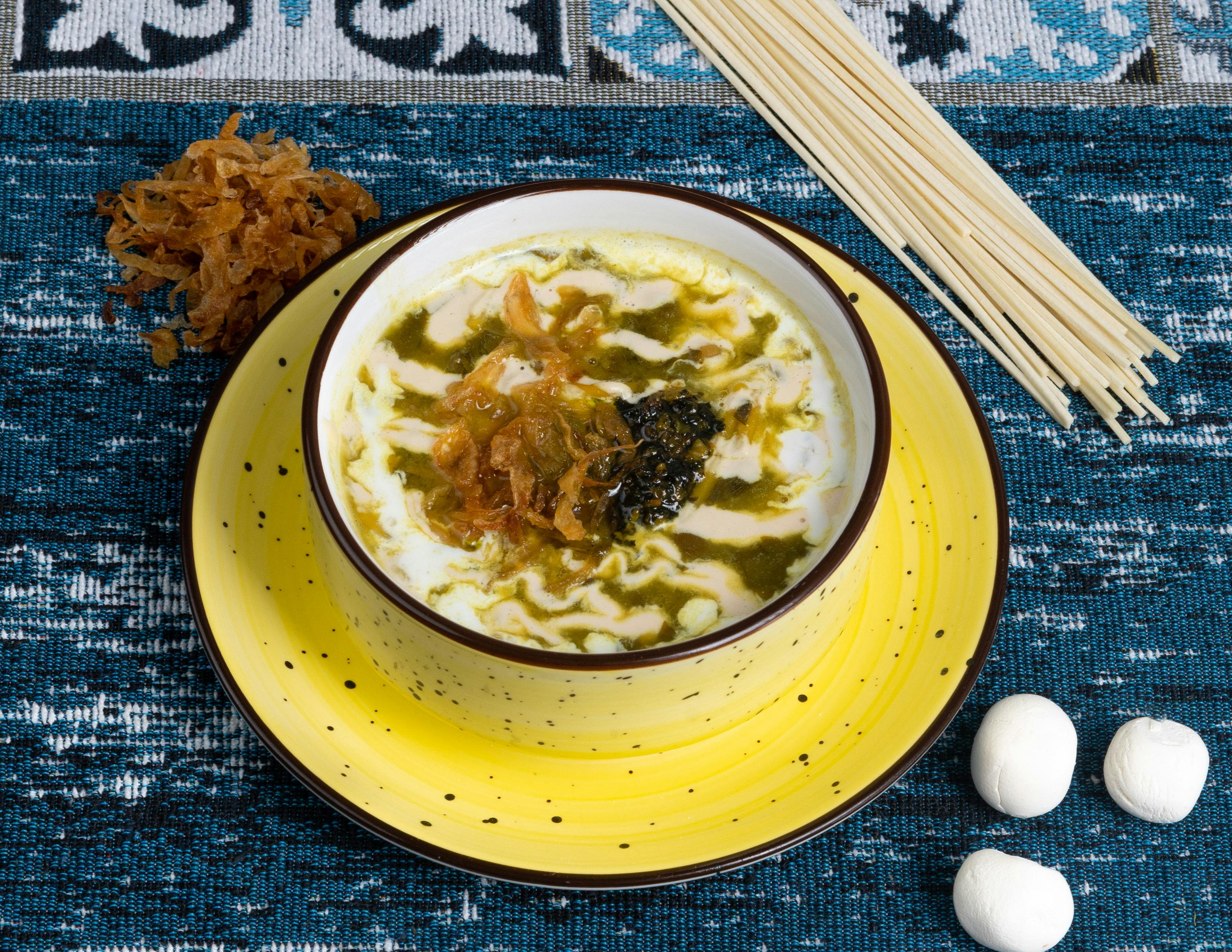

Persian cuisine is experiencing an extraordinary renaissance across the United States, marking a pivotal moment where ancient culinary traditions meet modern American dining preferences. From the intimate warmth of family-run establishments to the sophisticated ambiance of upscale restaurants, Persian cuisine has become a significant force in shaping the nation's diverse food landscape. This culinary revolution reflects not only the growing appreciation for Persian flavors but also the innovative spirit of Persian-American chefs who are reimagining traditional recipes for contemporary palates.
The journey of Persian food in America has undergone a dramatic change over the past decade. Iranian immigrants and their descendants have successfully bridged the gap between preserving authentic flavors and adapting to American dining culture, creating a unique culinary identity that honors both heritage and innovation.

Welcome to United Tribes
Where Persian Culture Comes Alive
Join Your Tribe
Connect with your people
Discover Events
Watch parties & festivals
Find Persian Businesses
Restaurants, markets & more
Earn Crown Credits
Get rewarded for engaging
The Rise of Persian-American Culinary Identity
Persian-American chefs are redefining what it means to serve authentic Persian food in America today. These culinary artists have moved beyond simply recreating traditional dishes, instead crafting a distinctive Persian-American identity that speaks to both diaspora communities and curious food enthusiasts. The evolution reflects a deeper understanding of how cultural preservation can coexist with culinary innovation.
Persian-American chefs like Naz Deravian, author of "Bottom of the Pot," and Louisa Shafia have paved the way for a new generation of culinary professionals who seamlessly blend traditional techniques with contemporary presentations. These chefs understand that maintaining authenticity doesn't require rigid adherence to historical methods; instead, they focus on preserving the essence of Persian flavors while adapting cooking techniques to modern kitchen environments and dietary preferences.
The influence of these pioneering chefs extends beyond their individual restaurants. They've become cultural ambassadors, educating American diners about the complexity and sophistication of Persian cuisine through television appearances, cookbook publications, and collaborative dining events. Their work has helped dispel misconceptions about Middle Eastern food while highlighting the unique characteristics that distinguish Persian cuisine from its regional neighbors.
Modern Persian Spice Applications
Contemporary Persian-American kitchens are reimagining how traditional spices integrate into modern cooking. Chefs are experimenting with Persian spice combinations in unexpected applications, creating signature spice blends that work equally well in traditional stews and contemporary fusion dishes.
The artistry lies in understanding how saffron, barberries, and sumac can enhance non-traditional ingredients while maintaining their distinctive Persian character. This approach has opened new possibilities for Persian cuisine to influence broader American culinary trends.
Family-Run Establishments Leading the Movement
The backbone of Persian cuisine's American success story remains the countless family-run establishments that have served as cultural anchors for Persian communities across the country. These restaurants, often started by first-generation immigrants, have evolved from serving primarily Persian customers to becoming neighborhood destinations that attract diverse clientele seeking authentic flavors and warm hospitality.
Iranian restaurants operated by families bring an irreplaceable authenticity that larger establishments often struggle to replicate. The secret lies not just in family recipes passed down through generations, but in the genuine hospitality that reflects Persian cultural values. These establishments typically feature mothers and grandmothers in the kitchen, ensuring that each dish carries the emotional connection that makes Persian food so memorable.
In cities like Los Angeles, New York, and Washington, D.C., family-run Persian restaurants have become community gathering places where cultural traditions are preserved and shared. These establishments often serve as informal cultural centers, hosting celebrations during important Persian holidays and maintaining connections to homeland traditions while adapting to American business practices.
The Role of Persian Home Cooking Traditions
Many successful restaurant owners credit their success to maintaining the standards they learned in their family kitchens. The art of creating perfect tahdig remains a point of pride for Persian home cooks and restaurant chefs alike, representing the technical skill and patience that characterizes authentic Persian cooking.
Home-cooking traditions continue to influence restaurant menus, with many establishments featuring "grandmother's recipes" that cannot be replicated by commercial food preparation methods. This connection between home and restaurant cooking maintains the emotional authenticity that distinguishes Persian cuisine from other ethnic foods in America.
Fine Dining Persian Fusion Concepts
The emergence of upscale Persian fusion restaurants represents the most exciting development in Persian cuisine's evolution in America. These establishments combine the sophisticated techniques of fine dining with the rich flavor profiles of traditional Persian cooking, creating entirely new culinary experiences that appeal to adventurous diners and Persian food enthusiasts alike.
High-end Persian fusion restaurants are reimagining classic dishes through modern culinary techniques while respecting traditional flavor combinations. Chefs are using molecular gastronomy, sous vide cooking, and artistic presentation to elevate Persian ingredients to fine-dining standards. This approach has introduced Persian flavors to upscale dining scenes in major metropolitan areas.
The success of these establishments demonstrates that Persian cuisine possesses the complexity and sophistication necessary for fine dining applications. Dishes featuring saffron-infused foams, deconstructed kebabs presented with artistic flair, and traditional stews served in contemporary presentations are attracting food critics and culinary enthusiasts who previously may not have encountered authentic Persian flavors.
Innovation in Traditional Persian Techniques
Modern Persian fine dining establishments are revolutionizing traditional cooking methods without compromising authentic flavors. Chefs are using precision cooking techniques to perfect traditional dishes like fesenjan and ghormeh sabzi, achieving consistency and presentation standards that meet fine dining expectations while preserving the soul of Persian cooking.
The integration of modern cooking equipment enables chefs to control texture and flavor development, enhancing traditional Persian dishes. Pressure-cooking techniques can develop complex flavors more quickly, while precision temperature control ensures that delicate ingredients like fresh herbs retain their vibrant flavors.
Regional Persian Food Trends Across America
Different regions of the United States have developed distinct approaches to Persian cuisine, reflecting both local ingredient availability and regional dining preferences. West Coast Persian restaurants tend to emphasize fresh, health-conscious preparations that align with California's wellness-focused dining culture. At the same time, East Coast establishments often maintain more traditional presentations that reflect the conservative tastes of established Persian communities.
Persian cuisine varies significantly across regions and local preferences. In Texas, Persian restaurants often serve kebabs in a barbecue-style, while in the Pacific Northwest, establishments emphasize locally sourced ingredients and sustainable cooking practices that resonate with environmentally conscious diners.
The diversity of regional approaches has enriched Persian cuisine's American identity, demonstrating how cultural foods can adapt to local conditions while maintaining their essential characteristics. This regional variation has also created opportunities for Persian restaurants to differentiate themselves within competitive dining markets.
Seasonal Menu Adaptations
Persian restaurants across America are increasingly incorporating seasonal menu changes that reflect both Persian culinary traditions and American dining expectations. Spring menus feature fresh herb dishes that celebrate Persian New Year traditions, while winter offerings emphasize hearty stews and comfort foods that appeal to American cold-weather dining preferences.
This seasonal approach allows Persian restaurants to maintain cultural authenticity while meeting customer expectations for menu variety and seasonal freshness. Many establishments now feature limited-time offerings that highlight specific Persian ingredients during their peak seasons.
Cultural Preservation Through Culinary Innovation
The success of Persian cuisine in America goes beyond business; it reflects the preservation of cultural identity through culinary expression. Persian-American restaurateurs and chefs serve as cultural ambassadors, introducing American diners to the rich history and traditions that inform Persian cooking while maintaining connections to their heritage communities.
Restaurant owners often describe their establishments as extensions of their cultural identity, places where they can share Persian traditions with broader American communities while also serving as gathering places for Persian families and individuals seeking connections to their cultural roots. This dual role requires balancing authenticity with accessibility, ensuring that traditional flavors remain intact while presentations and service styles meet American dining expectations.
Preserving Persian culinary culture through restaurant operations has created opportunities for younger generations of Persian-Americans to maintain connections to their heritage. Many second and third-generation Persian-Americans report that restaurants serve as important cultural touchstones, providing access to traditional foods and cultural practices that might otherwise be lost in the assimilation process.
The Future of Persian Cuisine in American Dining
Looking ahead, Persian cuisine appears positioned for continued growth and mainstream acceptance in American dining culture. The combination of health-conscious ingredients, complex flavors, and cultural authenticity aligns perfectly with current dining trends that emphasize ethnic cuisine, sustainable ingredients, and experiential dining.
Food industry analysts predict that Persian restaurants will continue expanding beyond traditional Persian community centers, establishing successful operations in diverse markets across America. The growing popularity of Middle Eastern flavors, combined with Persian cuisine's distinct identity, creates opportunities for continued market expansion and cultural influence.
The next phase of Persian cuisine's American evolution will likely focus on education and accessibility, helping American diners understand the complexity and history behind Persian dishes while making authentic ingredients more widely available through retail channels and food delivery services.
Persian Culinary Renaissance Continues
The transformation of Persian cuisine in America represents a remarkable success story of cultural preservation, innovation, and community building. From intimate family kitchens to sophisticated fine dining establishments, Persian food has found its place in America's diverse culinary landscape while maintaining the authentic flavors and traditions that make it so distinctive. The continued growth of Iranian restaurants and the rising prominence of Persian-American chefs demonstrate that this culinary renaissance is far from over.
As Persian cuisine continues to evolve, it serves as a model for how immigrant communities can successfully share their cultural heritage while contributing to America's rich dining diversity. The journey from home kitchens to fine dining establishments reflects not just culinary achievement but the broader success of Persian-Americans in creating lasting cultural bridges that benefit entire communities.
Visit United Tribes today to learn more about Persian culture and community, and discover the restaurants, events, and cultural connections that make Persian-American communities so vibrant and welcoming.


