
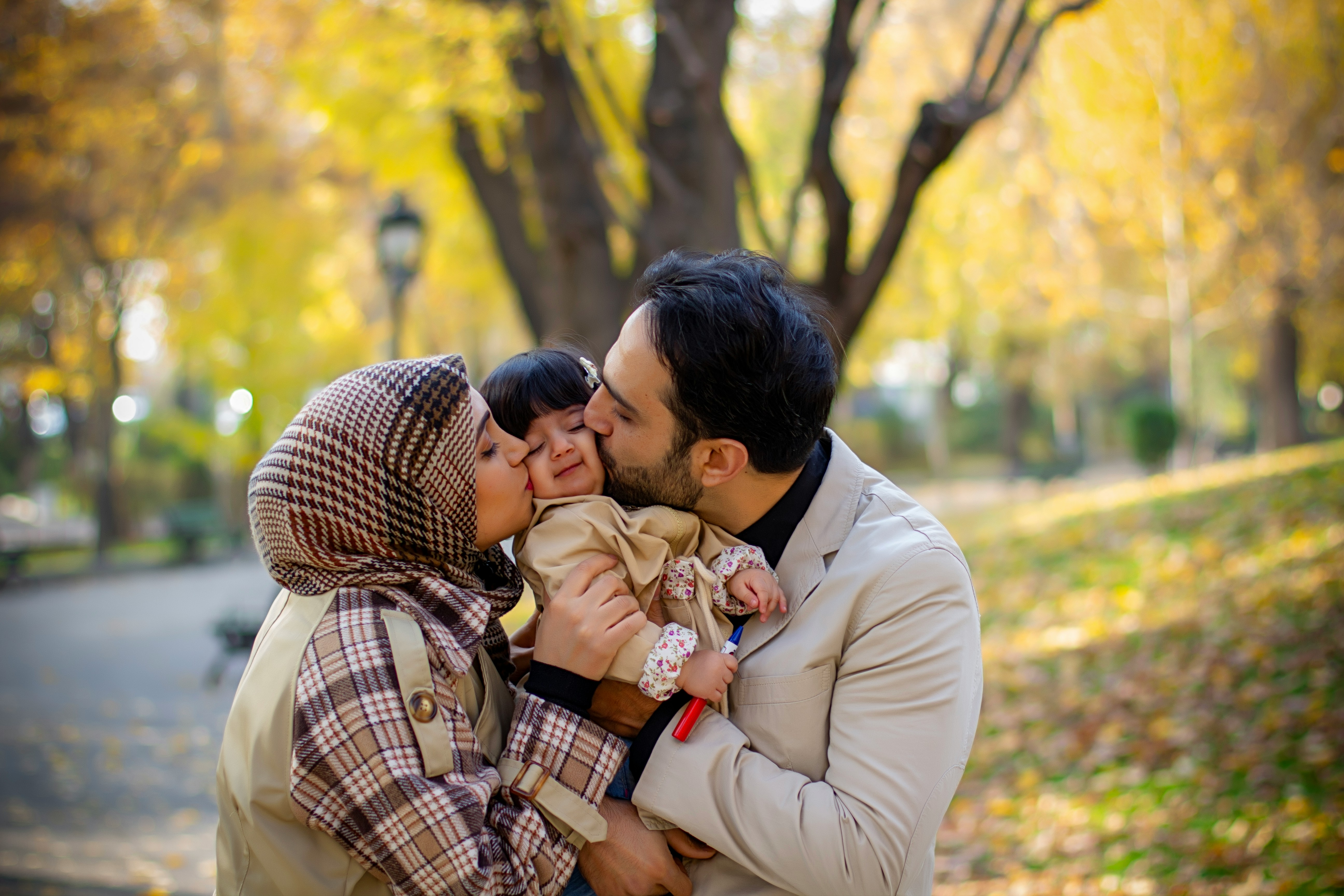

Iranian-American families across the United States demonstrate remarkable resilience in preserving their cultural identity while seamlessly integrating into American society. These traditions, passed down through generations, serve as anchors that keep families connected to their roots while allowing them to flourish in their adopted homeland.

Welcome to United Tribes
Where Persian Culture Comes Alive
Join Your Tribe
Connect with your people
Discover Events
Watch parties & festivals
Find Persian Businesses
Restaurants, markets & more
Earn Crown Credits
Get rewarded for engaging
From the aromatic kitchens where grandmothers still perfect their Persian tahdig recipes to the living rooms where ancient stories come alive through modern storytelling, Iranian-American families have mastered the delicate art of cultural preservation in a digital age.
The Sacred Art of Persian Hospitality in American Homes
Persian hospitality, known as "mehman navazi," remains one of the most cherished traditions among Iranian-American families. This ancient custom has adapted beautifully to American suburban life, transforming modern homes into welcoming sanctuaries where guests are treated like royalty.
Contemporary Iranian-American households blend traditional hospitality with modern conveniences. Smart home technology now announces guests' arrivals, but the immediate rush to prepare the best tea service and present an abundance of fresh fruits, nuts, and sweets remains unchanged. The dining table becomes a stage where multiple generations showcase their culinary heritage, with each dish telling a story of regional preferences and family history.
Modern adaptations include organizing large community gatherings in rented halls for major celebrations, but the essence remains rooted in Persian tradition. Families coordinate elaborate potluck-style events where each household contributes signature dishes, creating a feast that rivals the most magnificent Persian celebrations of centuries past. These gatherings often coincide with American holidays, creating unique fusion celebrations that honor both cultures.
The hospitality tradition has also extended into professional and social spheres, with Iranian-American business owners and community leaders known for their exceptional customer service and community involvement. This cultural trait has become a distinguishing characteristic that benefits not only Persian families but also enriches the broader American communities where they reside.
Storytelling Traditions That Bridge Generations
The ancient Persian art of storytelling, deeply rooted in the epic tales of Ferdowsi's Shahnameh and the mystical poetry of Rumi and Hafez, continues to thrive in Iranian-American households through innovative adaptations. In 2026, family storytelling sessions have evolved to incorporate both traditional oral narratives and modern digital platforms, ensuring that younger generations remain connected to their rich literary heritage.
Family story circles now often include video calls with relatives in Iran, creating virtual gatherings where grandparents share ancient tales with grandchildren scattered across different American cities. These sessions frequently incorporate English translations alongside Persian narrations, helping bilingual children develop proficiency in both languages while absorbing cultural values and moral lessons embedded in traditional stories.
Many Iranian-American families have embraced technology to preserve and share their storytelling traditions. Custom family podcasts, private YouTube channels, and digital storybooks created by tech-savvy parents help maintain cultural connections across distances. These modern adaptations ensure that the wisdom of Persian roots continues to flow through new generations, adapting to contemporary communication methods while preserving essential cultural messages.
Family Gatherings and the Endurance of Sofreh
The tradition of sofreh remains central to Iranian-American culture, adapting to American lifestyles while maintaining its spiritual and cultural significance. These ceremonial table settings, rich with symbolic foods and decorative elements, continue to mark important life transitions, religious observances, and seasonal celebrations in Persian households across America.
Seasonal celebrations like Nowruz and Shabe Yalda continue to anchor Persian families to their cultural calendar, providing opportunities for extended family gatherings that often span multiple days and include both Persian and American friends. These celebrations have evolved to accommodate American work schedules, often moving to weekend dates while maintaining traditional elements and significance.
The sofreh tradition has also influenced how Persian families approach American holidays, incorporating Persian aesthetic elements and hospitality traditions into Thanksgiving dinners, graduation parties, and other American celebrations.
Language Preservation and Cultural Identity
Maintaining Persian language fluency among American-born generations remains a priority for Iranian-American families, who employ creative strategies to preserve linguistic and cultural heritage. In 2026, Persian language schools, online tutoring programs, and family language policies work together to combat the natural tendency toward English dominance in American-raised children.
Many families implement "Persian-only" hours at home, designating specific times when only Farsi is spoken during family interactions. These linguistic immersion periods often coincide with meal preparation and dinner conversations, creating natural contexts for language practice while reinforcing cultural values and family bonding.
Digital resources have revolutionized Persian language learning for American-born children. Interactive apps, online Persian schools with live instruction, and virtual reality cultural experiences provide engaging ways for young people to connect with their linguistic heritage. Many Iranian-American parents supplement these tools with regular trips to Iran when possible, providing immersive cultural experiences that strengthen language skills and cultural understanding.
Community Language Programs
Iranian-American communities have established comprehensive weekend schools that teach not only the Persian language but also cultural history, traditional arts, and religious studies. These programs create peer groups of Persian-American children who share similar cultural experiences, fostering friendships and cultural pride that support continued engagement with Persian traditions throughout their lives.
Religious and Spiritual Practices in Modern Context
Persian family traditions deeply intertwined with religious and spiritual practices continue to provide meaning and structure for Iranian-American families, regardless of their specific religious affiliations. Whether rooted in Islamic, Zoroastrian, Baháʼí, Christian, or Jewish traditions, these spiritual practices adapt to American religious freedom while maintaining cultural authenticity.
Persian families often create dedicated prayer or meditation spaces in their American homes, incorporating traditional elements such as Persian carpets, calligraphy, and symbolic objects that connect daily spiritual practices to cultural heritage. These spaces serve multiple purposes, functioning as places for individual reflection, family prayers, and cultural education for children.
Charitable giving, a cornerstone of Persian spiritual tradition, continues through organized community efforts, support for religious institutions, and direct assistance to newly arrived Iranian immigrants. These acts of charity often extend beyond the Persian community, reflecting the Persian value of universal compassion while strengthening community bonds and cultural identity.
Religious holidays and observances remain important in Persian-American households, often requiring careful coordination with American work and school schedules. Families frequently organize communal celebrations that allow multiple families to share the preparation responsibilities while ensuring that traditional observances receive proper attention and respect.
Persian Heritage Thriving in America
The enduring strength of Persian family traditions in modern America demonstrates the remarkable adaptability and resilience of Iranian-American culture. As families navigate the complexities of preserving ancient customs while embracing contemporary American life, they create unique cultural expressions that honor both their Persian heritage and their American experience. These traditions, from the sacred art of hospitality to the preservation of storytelling and language, continue to provide meaning, identity, and connection for Iranian-American families across the United States.
Visit United Tribes today and find out more about the Persian culture and community that celebrate and preserve these beautiful traditions for future generations.


