
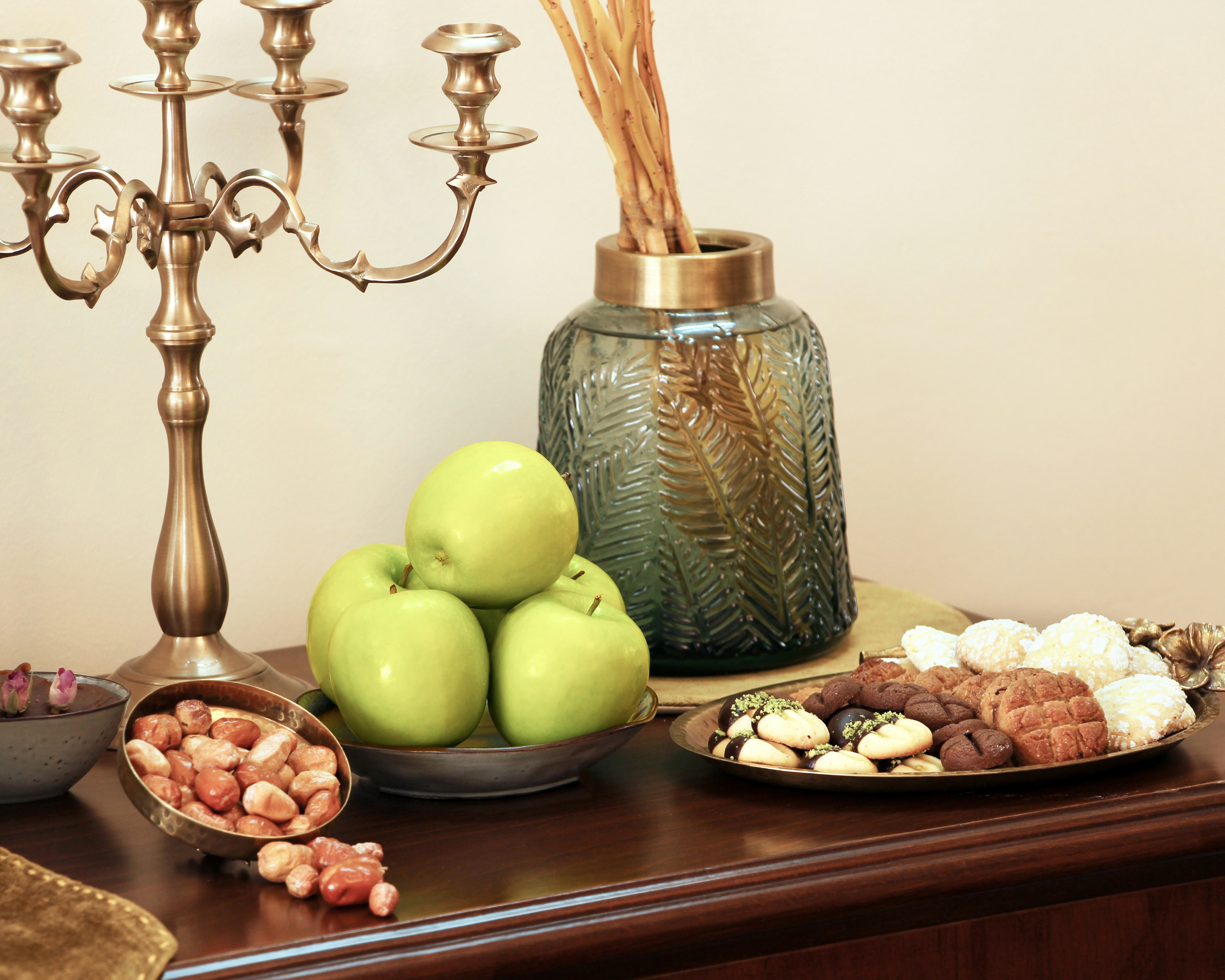

Persian culture thrives in communities across the United States, bringing ancient traditions to life through vibrant festivals and celebrations. From the joyous spring renewal of Nowruz to the mystical winter solstice of Shab-e Yalda, Persian festivals maintain deep connections to their heritage while creating new memories in their adopted homeland. These celebrations serve as bridges between generations, connecting Iranian-Americans to their roots while sharing the beauty of Persian culture with diverse American neighborhoods.

Welcome to United Tribes
Where Persian Culture Comes Alive
Join Your Tribe
Connect with your people
Discover Events
Watch parties & festivals
Find Persian Businesses
Restaurants, markets & more
Earn Crown Credits
Get rewarded for engaging
The Crown Jewel of Persian Celebrations
Nowruz, the Persian New Year marking the spring equinox, stands as the most significant celebration in Persian culture worldwide. In the United States, Nowruz celebration events transform cities with substantial Iranian populations into vibrant showcases of Persian tradition, drawing thousands of participants and observers from diverse backgrounds.
Major Nowruz Celebrations Across America
Los Angeles hosts some of the largest Nowruz festivities outside of Iran, with the annual Persian New Year celebration at UCLA's Royce Hall attracting thousands. The city's Westwood and Beverly Hills areas become epicenters of activity, featuring elaborate Haft-Sin displays, traditional music performances, and cultural exhibitions that demonstrate the depth of Persian civilization.
New York City offers its own spectacular Nowruz experience through events in Central Park and various cultural venues throughout Manhattan and Queens. The Iranian-American community collaborates with city organizations to present educational programs alongside traditional celebrations, helping non-Persian Americans understand the significance of this ancient festival.
Washington, D.C., area communities, particularly in Northern Virginia, organize family-friendly Nowruz events that blend traditional elements with American festival formats. These celebrations often feature Persian carpet exhibitions, calligraphy demonstrations, and poetry readings that highlight the intellectual traditions accompanying Persian festivals.
Traditional Elements in American Settings
The Haft-Sin table remains central to American Nowruz celebrations, though families adapt the traditional seven items beginning with 'S' to ingredients available in American markets. Persian grocery stores across the country stock special Nowruz items months in advance, while families blend traditional elements with contemporary American presentation styles.
Chaharshanbe Suri, the fire-jumping ceremony preceding Nowruz, takes creative forms in American communities. Urban Persian families often organize group celebrations in designated outdoor spaces, following local fire safety regulations while maintaining the symbolic purification aspects of jumping over flames. Understanding Persian hospitality etiquette through taarof becomes particularly evident during these community gatherings, where traditional courtesy customs blend with American social norms.
The Nowruz celebration extends beyond single-day events to become season-long cultural showcases. Persian community centers organize cooking classes teaching traditional Nowruz dishes, art workshops demonstrating Persian crafts, and educational seminars exploring the historical significance of spring equinox celebrations across cultures.
Winter Solstice Traditions in American Communities
Shab-e Yalda, the longest night of the year, offers Persian Americans an intimate celebration that contrasts beautifully with the community-wide nature of Nowruz.
Pomegranates and Poetry in American Homes
American Persian families gather on December 21st to honor Shab-e Yalda, creating warm refuges against winter's darkness. The traditional foods, pomegranates, watermelons, nuts, and dried fruits, are readily available in American markets, making this celebration particularly accessible for diaspora communities.
Persian bookstores and cultural centers across major American cities organize special Yalda poetry readings, featuring both classical Persian poets like Hafez and contemporary Iranian-American writers. These events often draw multi-generational audiences, with elderly community members sharing traditional stories while younger participants explore modern interpretations of ancient themes.
Family gatherings during Yalda in American homes often blend Persian customs with American comfort. Families might combine traditional Persian appetizers with American-style gatherings, creating unique fusion experiences that honor both cultures. The practice of reading Hafez's poetry for fortune-telling remains popular, with families passing down ancient books alongside newly published American editions.
Community Yalda Events
While traditionally a home celebration, Persian communities across America have created public Yalda events that maintain an intimate character while building broader community connections. Cultural organizations in cities like Seattle, Chicago, and Atlanta organize Yalda in the U.S. events that feature traditional music performances, storytelling sessions, and communal sharing of symbolic foods.
These community celebrations often incorporate educational elements, explaining the astronomical significance of the winter solstice and its celebration across various cultures. This approach helps Persian Americans share their traditions with neighbors from different backgrounds while strengthening their own cultural understanding.
Regional Festival Variations and Adaptations
Persian celebrations demonstrate remarkable regional diversity, reflecting both the characteristics of local Persian communities and broader regional American cultures. Each major Persian population center has developed distinctive approaches to maintaining traditional celebrations while embracing American cultural elements.
West Coast Celebrations
Los Angeles Persian communities organize outdoor festivals that take advantage of favorable weather, featuring traditional music concerts, Persian fashion shows, and elaborate food festivals that introduce Persian cuisine to diverse California populations.
San Francisco Bay Area Persian communities often emphasize the intellectual and artistic aspects of Persian culture, organizing poetry competitions, Persian calligraphy exhibitions, and academic conferences that explore Persian contributions to world civilization. These events attract both Persian Americans and academic communities interested in Persian studies.
East Coast Traditions
The Persian communities in New York and Boston have adapted their celebrations to indoor venues during harsh winter months, creating intimate cultural experiences that emphasize the contemplative aspects of Persian traditions. These cities often see Persian cultural organizations collaborating with universities and museums to present educational programming alongside traditional celebrations.
Philadelphia and Baltimore celebrations have developed strong family-oriented festival traditions, emphasizing multi-generational participation and the transmission of cultural knowledge from elders to younger community members. These celebrations often feature traditional craft demonstrations and Persian language classes for American-born Persian children.
Midwest and Southern Celebrations
Persian communities in Chicago, Detroit, and Houston have created festival traditions that emphasize community building and cultural preservation. These regions often host Persian festivals that serve as important social networking opportunities for scattered diaspora populations.
Texas Persian communities, particularly in Houston and Dallas, organize large-scale outdoor festivals that incorporate Texas's festival culture while maintaining Persian traditional elements. These events often feature Persian-Texan fusion foods and music that reflects the unique cultural blending occurring in these communities.
Beyond Nowruz and Yalda
While Nowruz and Shab-e Yalda represent the most widely celebrated Persian festivals, American Persian communities maintain numerous other traditional observances throughout the year, each adapted to American contexts while preserving essential cultural elements.
Tirgan and Summer Celebrations
Tirgan, the traditional Persian water festival, has found new expression in American Persian communities through summer picnics and outdoor gatherings. Communities organize water-themed celebrations in public parks, combining traditional Persian picnic foods with American-style outdoor recreation activities.
These summer celebrations often serve as informal cultural exchanges, where Persian families invite non-Persian neighbors to experience traditional Persian hospitality. The emphasis on mehrbani and taarof becomes particularly evident in these relaxed outdoor settings.
Religious and Spiritual Observances
Persian Americans maintain various religious festivals that reflect the diverse spiritual traditions within Persian culture. Zoroastrian communities celebrate traditional fire festivals, while Persian Muslim communities observe Islamic holidays with Persian cultural touches that distinguish their celebrations from other Muslim communities.
Persian Jewish communities across America maintain unique celebration traditions that blend Persian cultural elements with Jewish religious observances, creating distinctive festival experiences that reflect their dual cultural heritage. These celebrations often take place in both synagogue settings and Persian cultural centers.
Contemporary Festival Innovations
Modern Persian American communities have created new festival traditions that address contemporary diaspora experiences while maintaining connections to ancient Persian culture. Persian Heritage Month celebrations, Persian Film Festivals, and Persian Arts and Culture weeks have emerged in various American cities as ways to maintain cultural visibility and education.
These contemporary festivals often serve multiple purposes: preserving cultural traditions, educating non-Persian Americans about Persian civilization, and fostering community among scattered diaspora populations.
Cultural Preservation and Community Building
Persian festivals serve essential functions beyond entertainment and tradition maintenance – they provide crucial opportunities for community building among diaspora populations while preserving cultural knowledge for future generations. These celebrations create spaces where Persian Americans can express their cultural identity while contributing to America's multicultural landscape.
Intergenerational Knowledge Transfer
Festival celebrations provide natural opportunities for the transmission of cultural knowledge across generations. Elder community members share traditional cooking techniques, historical narratives, and cultural practices with younger Persian Americans who may have limited direct exposure to Persian culture.
These intergenerational exchanges often occur organically during festival preparations, when families collaborate on traditional cooking, craft creation, and cultural presentations. Young Persian Americans learn not just festival traditions but also the deeper cultural values and social practices that inform Persian community life.
Building Bridges with Broader American Communities
Persian festivals in America serve as opportunities for cultural diplomacy, introducing non-Persian Americans to the richness and sophistication of Persian civilization. Many Persian festivals and events explicitly welcome broader community participation, offering educational components that help dispel misconceptions and build cultural appreciation.
These bridge-building efforts often result in lasting cross-cultural friendships and professional collaborations. Persian festival attendees frequently include local politicians, business leaders, and cultural figures who develop a deeper appreciation for Persian contributions to American diversity.
Preserving Heritage Through Celebration
Persian celebrations represent far more than cultural nostalgia – they embody living traditions that strengthen community bonds while enriching America's cultural landscape. From the spring renewal of Nowruz and the celebration of renewal, heritage, and unity, to the contemplative winter gathering of Yalda in the U.S., these festivals create spaces where ancient wisdom meets contemporary American life. Persian Americans have successfully adapted their most cherished traditions to American contexts while maintaining their essential spiritual and cultural significance.
Visit United Tribes today to learn more about Persian culture and community events, festivals, and traditions that continue to thrive across America while maintaining their ancient roots and contemporary relevance.
Make United Tribes Your Preferred Source
Add United Tribes on Google to get the latest stories, cultural updates, and community events directly in your Google Search and Top Stories.


