
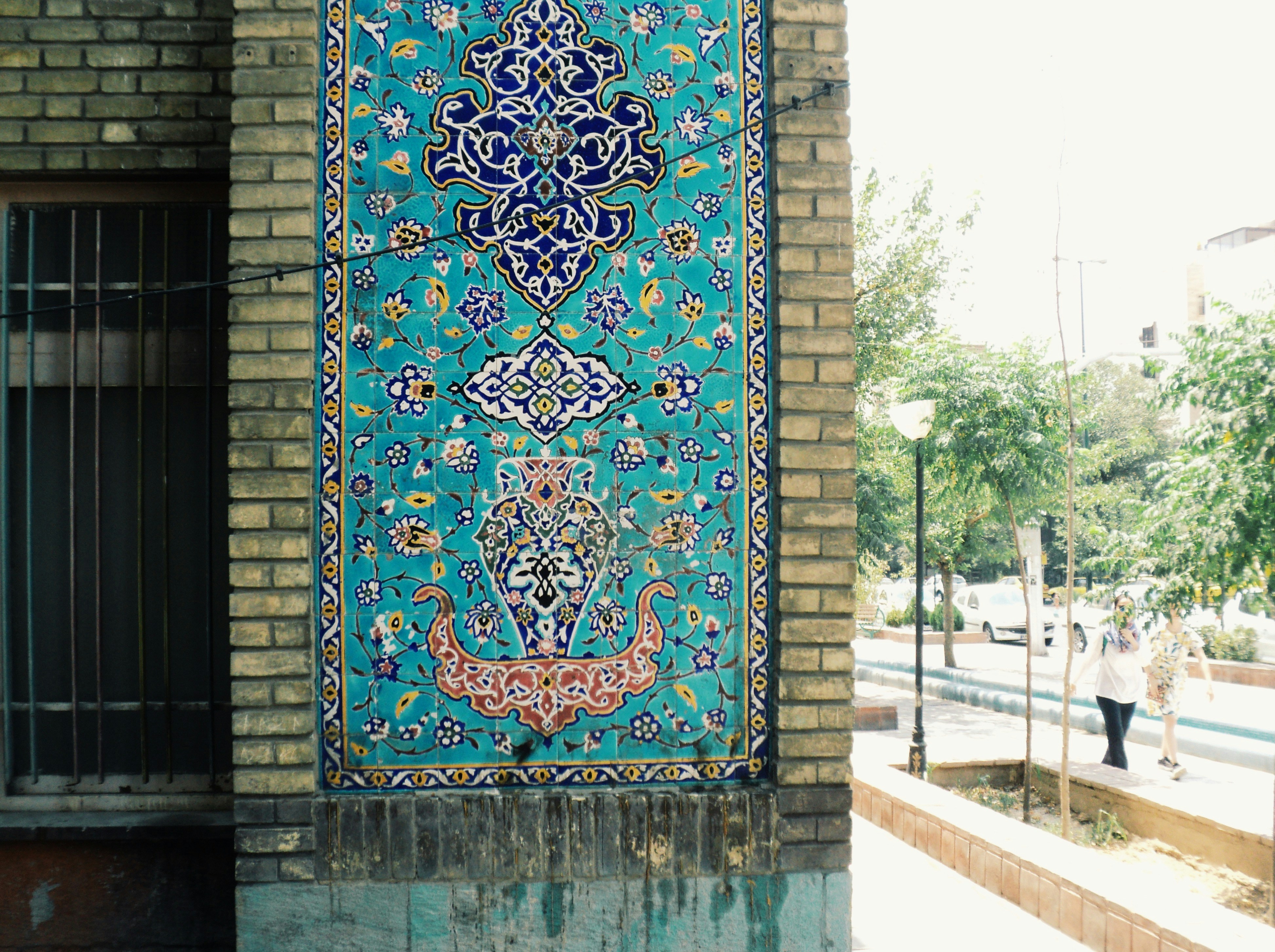

The vibrant tapestry of American art has been significantly enriched by Persian artists who have brought centuries-old traditions into contemporary galleries across the nation. Iranian-American artists are creating a unique fusion of ancient Persian aesthetics with modern American artistic expressions, establishing themselves as influential voices in today's art world. Their work demonstrates how traditional motifs, calligraphy, miniature painting techniques, and geometric patterns can evolve into powerful contemporary statements that resonate with diverse audiences while maintaining their cultural authenticity.

Welcome to United Tribes
Where Persian Culture Comes Alive
Join Your Tribe
Connect with your people
Discover Events
Watch parties & festivals
Find Persian Businesses
Restaurants, markets & more
Earn Crown Credits
Get rewarded for engaging
The Historical Foundation of Persian Artistic Expression
Persian art has always been characterized by its intricate attention to detail, sophisticated use of color, and profound spiritual symbolism. Traditional Persian artistic forms include miniature painting, carpet weaving, calligraphy, metalwork, and architectural decoration, all of which emphasize harmony, balance, and the integration of text and image. These elements have provided Iranian-American artists with a rich foundation for their contemporary works.
The migration of Persian artists to America, particularly following the 1979 Iranian Revolution, brought a wealth of artistic knowledge and cultural memory to American soil. These artists faced the challenge of maintaining their cultural identity while adapting to a new artistic landscape, ultimately creating innovative approaches that honor their heritage while embracing American artistic freedom and experimentation.
Contemporary Persian art in America draws heavily from traditional themes such as the garden of paradise, the tree of life, and the interplay between light and darkness, concepts that resonate deeply with Persian spiritual and philosophical traditions.
Prominent Persian Artists Transforming American Galleries
The landscape of Persian art is populated by numerous talented individuals who have gained recognition in major American museums and galleries. Artists like Shirin Neshat have achieved international acclaim for their powerful explorations of identity, exile, and the tension between tradition and modernity. Neshat's photographic and video works examine the complex experience of Iranian women, creating visual narratives that challenge stereotypes while celebrating Persian cultural strength.
Parviz Tanavoli, often called the father of modern Iranian sculpture, has exhibited extensively in American museums, introducing audiences to contemporary interpretations of Persian poetry and mythology through three-dimensional forms. His bronze sculptures transform traditional Persian calligraphy into sculptural elements that exist as both text and form, creating a unique visual language that bridges Persian literary traditions with modern sculptural practices.
Iranian-American artists like Y.Z. Kami has brought Persian sensibilities to American portrait painting, creating large-scale works that combine Western painting techniques with Persian concepts of spiritual portraiture. Kami's paintings often feature subjects in contemplative poses, reflecting the Persian artistic tradition of capturing inner spiritual states rather than mere physical appearances.
The work of these and many other Persian artists demonstrates how Persian heritage and identity continue to influence and enrich American cultural expression, creating bridges between communities and fostering greater understanding of Persian contributions to global art.
Traditional Techniques Meeting Modern Expression
Contemporary Persian art in America showcases the remarkable adaptability of traditional Persian artistic techniques to modern mediums and themes. Many Iranian-American artists have mastered classical Persian miniature painting techniques that emphasize precise detail, rich color palettes, and complex narrative structures, and have applied these skills to contemporary subjects and larger-scale works.
The art of Persian calligraphy has found new expression in American galleries through artists who transform traditional scripts into abstract compositions that function as both text and pure visual form. These works often incorporate Persian poetry, particularly the verses of classical poets like Hafez and Rumi, creating multilayered artworks that resonate with both Persian-speaking audiences and those who appreciate the visual beauty of the script.
Geometric patterns, fundamental to Persian artistic tradition, have been reimagined by contemporary artists working in America. These artists create installations, paintings, and digital works that use traditional Islamic geometric principles while incorporating modern materials and technologies. The result is artwork that maintains the spiritual and mathematical precision of traditional Persian design while addressing contemporary themes and utilizing cutting-edge artistic methods.
Textile arts, particularly carpet design and textile painting, have also evolved significantly within the Persian art movement. Artists are creating contemporary interpretations of traditional Persian carpet motifs, transforming them into wall-mounted artworks, fashion pieces, and interior design elements that bring Persian aesthetic principles into modern American homes and public spaces.
Cultural Identity and Diaspora Experiences in Visual Art
The experience of cultural displacement and adaptation has become a central theme in Iranian-American artists' work, with many using their art to explore questions of identity, belonging, and cultural preservation. These artists often create works that examine the complexity of maintaining Persian identity while fully participating in American cultural life.
Many Persian artists in America use their work to address misconceptions about Persian and Iranian culture, creating educational opportunities through their artistic practice. Their exhibitions often include artist talks, cultural workshops, and community events that help American audiences understand the richness and diversity of Persian cultural traditions, moving beyond stereotypes to appreciate the sophisticated artistic heritage that these artists represent.
The themes of exile and longing for the homeland appear frequently in contemporary Persian art, but these works also celebrate the opportunities and freedoms that America has provided Persian artists. Many artists create works that explore the bittersweet nature of immigration, acknowledging both loss and gain, tradition and innovation, memory and new experience.
Persian artists often incorporate elements that reflect their deep cultural traditions and seasonal celebrations, bringing awareness of Persian cultural practices to American audiences through visual storytelling that transcends language barriers.
The Role of Persian Art in American Cultural Institutions
Major American museums and galleries have increasingly recognized the importance of Persian art, with institutions such as the Metropolitan Museum of Art, the Los Angeles County Museum of Art, and the Smithsonian Institution regularly featuring exhibitions of contemporary Persian art. These exhibitions have helped establish Persian artists as significant contributors to American cultural life while providing platforms for cultural education and cross-cultural dialogue.
Art schools and universities across America have also embraced Persian artistic traditions, with many institutions offering courses in Persian art history, Islamic art, and Middle Eastern cultural studies. This academic recognition has provided young Iranian-American artists with opportunities to study their cultural heritage within American educational contexts, creating a new generation of artists who can seamlessly blend Persian traditions with American artistic innovation.
Persian community centers and cultural organizations throughout America regularly host art exhibitions, workshops, and cultural events that celebrate the contributions of Persian artists. These events often coincide with important Persian celebrations, such as Nowruz, creating opportunities for both Persian and non-Persian Americans to appreciate the ongoing evolution of Persian artistic expression.
Future Directions and Emerging Trends
The future of Persian art looks increasingly bright as younger generations of Iranian-American artists continue to push boundaries while honoring their cultural heritage. These emerging artists are working with digital media, virtual reality, and interactive installations to create new ways to share Persian cultural stories and artistic traditions with American audiences.
Collaboration between Persian artists and artists from other cultural backgrounds has become increasingly common, leading to innovative fusion works that celebrate America's multicultural artistic landscape while maintaining distinct cultural identities. These collaborative projects often result in exhibitions and installations that demonstrate how Persian artistic principles can complement and enhance other cultural and artistic traditions.
Persian artists are also increasingly using their platforms to educate Americans about Persian cultural values and traditions, helping to build bridges between communities and fostering greater understanding of Persian contributions to global culture through visual arts that speak to universal human experiences while celebrating specific cultural heritage.
Celebrating Persian Artistic Legacy in America
As Persian artists continue to gain recognition in American galleries and museums, their influence extends far beyond the art world itself. They serve as cultural ambassadors, educators, and innovators, helping all Americans appreciate the rich artistic traditions that Persian culture has contributed to human civilization. The values of kindness and cultural respect that characterize Persian society are beautifully reflected in the generous spirit with which these artists share their cultural heritage through visual expression.
The continuing evolution of Persian art promises to bring even greater cultural understanding and artistic innovation to American galleries and communities. Visit United Tribes today to learn more about Persian culture and the contributions of Persian communities to American artistic life.
Make United Tribes Your Preferred Source
Add United Tribes on Google to get the latest stories, cultural updates, and community events directly in your Google Search and Top Stories.


