
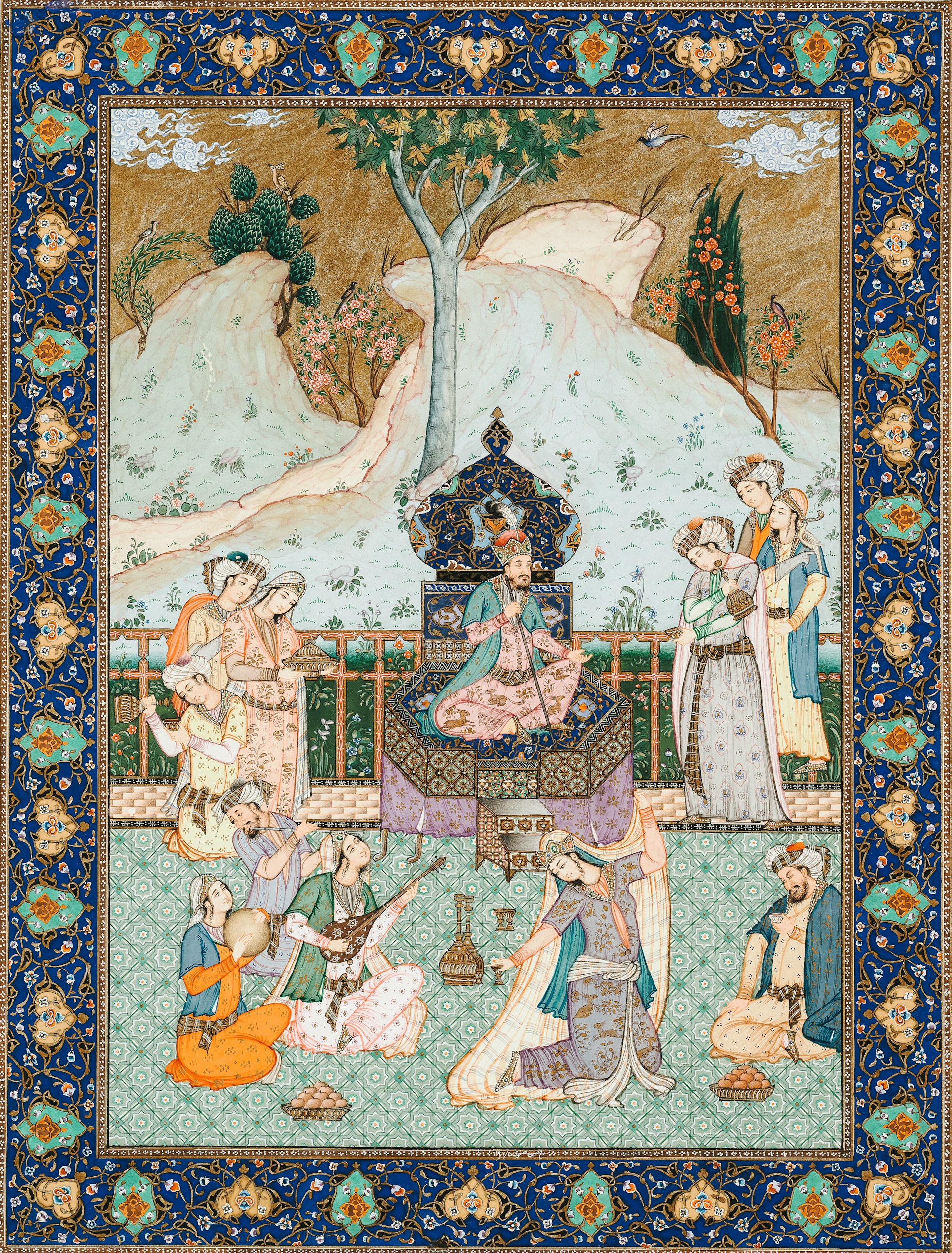

Persian miniature painting represents one of Iran's most treasured artistic traditions, combining intricate detail work with rich storytelling that has captivated audiences for over a millennium. In Iranian-American communities across the United States, dedicated artists, cultural institutions, and passionate practitioners work tirelessly to preserve this delicate art form for future generations. These traditional art forms not only serve as a bridge to ancestral heritage but also provide contemporary Iranian-Americans with a profound connection to their cultural roots while introducing American audiences to the sophisticated beauty of Persian artistic expression.
The Historical Origins of Persian Miniature Art
Persian miniature painting traces its artistic lineage back to the 13th century, when this distinctive art form first emerged in the Persian Empire. The tradition reached its golden age during the Safavid dynasty (1501-1736), particularly under the patronage of Shah Abbas I, who established Isfahan as a center of artistic excellence. These miniatures originally served as book illustrations, adorning manuscripts of classical Persian literature, including the works of Ferdowsi, Hafez, and Rumi.

Welcome to United Tribes
Where Persian Culture Comes Alive
Join Your Tribe
Connect with your people
Discover Events
Watch parties & festivals
Find Persian Businesses
Restaurants, markets & more
Earn Crown Credits
Get rewarded for engaging
The Persian cultural heritage embedded in these paintings extends far beyond mere decoration. Each piece functions as a visual narrative, incorporating complex layers of meaning through carefully chosen colors, symbols, and compositional elements. Traditional Persian miniatures feature characteristics that distinguish them from other artistic traditions: flattened perspective, jewel-like colors, gold leaf accents, and incredibly fine brushwork that requires years of training to master.
During the Mongol invasions, Persian artists adapted Chinese artistic influences, creating a unique fusion that became distinctly Persian. The resulting style emphasized harmony between text and image, with paintings flowing seamlessly around calligraphic verses. This integration of visual and literary arts remains a hallmark of authentic Persian miniature work practiced in Iranian-American communities today.
Symbolism and Meaning in Persian Miniatures
Understanding the symbolic language of Persian miniature painting reveals the depth of Persian cultural heritage preserved in Iranian-American communities. Every element within these intricate compositions carries specific meaning, creating layered narratives that speak to both spiritual and earthly experiences.
Garden Imagery and Paradise Symbolism
The Persian garden, or chahar bagh, appears frequently in miniature paintings as a symbol of paradise and divine order. These motifs carefully structured gardens represent the Islamic concept of heaven, featuring flowing water, blooming flowers, and geometric patterns that reflect cosmic harmony. Iranian-American artists continue to incorporate these garden motifs, often adapting them to reflect their dual cultural experience.
Color Significance and Spiritual Meaning
Traditional Persian miniatures employ a specific color palette where each hue carries symbolic weight. Ultramarine blue represents the infinite sky and divine truth, while gold leaf symbolizes spiritual illumination and the divine presence. Deep reds signify earthly passion and power, while whites represent purity and spiritual cleansing. Contemporary Iranian-American artists maintain these color traditions while occasionally introducing subtle variations that reflect their American experience.
Architectural Elements and Cultural Identity
The architectural details in Persian miniatures, including elaborate tilework, geometric patterns, and distinctive Persian arches, serve as visual markers of cultural identity. These elements connect viewers to specific places and times in Persian history, creating a sense of cultural continuity that resonates deeply with diaspora communities.
Iranian-American Artists Keeping the Tradition Alive
Across the United States, dedicated Iranian-American artists work to preserve and evolve the tradition of Persian miniature painting. These contemporary masters balance respect for classical techniques with personal artistic vision, creating works that speak to both Persian heritage and American experience.
Many of these artists immigrated to America following the 1979 Iranian Revolution, bringing with them deep knowledge of traditional techniques learned from master painters in Iran. They established studios and workshops in major American cities, creating centers for artistic preservation and cultural education. These artists face the unique challenge of maintaining authenticity while working outside the original cultural context that nurtured this art form for centuries.
Contemporary Iranian-American miniature painters often incorporate themes that reflect the immigrant experience, depicting stories of cultural adaptation, family separation, and the challenge of preserving heritage in a new land. Their work serves as both artistic expression and cultural documentation, creating visual records of the Iranian-American experience for future generations.
Educational Institutions and Cultural Preservation
Several American universities and cultural institutions have become important centers for education and preservation of traditional Persian art. These institutions offer formal training in traditional techniques while conducting scholarly research into the historical development of Persian miniature painting.
The Metropolitan Museum of Art, the Smithsonian Institution, and various university collections house significant Persian miniature collections that serve as study resources for both artists and scholars. These institutions regularly host exhibitions that introduce American audiences to the sophistication and beauty of Persian artistic traditions.
Workshop Programs and Community Classes
Iranian-American cultural centers across the country offer miniature painting workshops that welcome both heritage learners and interested Americans. These programs typically begin with instruction in basic techniques, including paper preparation, pigment mixing, and brush handling. Students learn to create traditional motifs such as arabesque patterns, calligraphy integration, and figure drawing in the distinctive Persian style.
Advanced workshops focus on complex narrative compositions, teaching students to plan multi-figure scenes that tell coherent stories while maintaining the aesthetic principles of classical Persian miniature painting. These educational programs serve multiple purposes: preserving traditional knowledge, building community connections, and introducing non-Persian Americans to this sophisticated art form.
Modern Techniques and Traditional Methods
Contemporary practitioners of Persian miniature painting must balance traditional authenticity with practical considerations of working in modern America. Traditional methods require specific materials that may be difficult to source, including handmade papers, natural pigments, and specialized brushes made from specific animal hairs.
Many Iranian-American artists have developed hybrid approaches that maintain the essential aesthetic qualities of Persian miniatures while adapting to available materials and contemporary working conditions. They might use high-quality watercolor papers instead of traditional handmade varieties, or carefully selected modern pigments that closely match historical colors.
The creation process remains labor-intensive and meditative, often taking months to complete a single piece. Artists begin with detailed sketches, then apply colors in carefully planned layers, building up richness and depth through multiple transparent glazes. Gold leaf application, a hallmark of fine Persian miniatures, requires particular skill and patience to achieve the luminous quality characteristic of masterwork pieces.
Cultural Impact and Community Building
The practice and teaching of Persian miniature painting serves as a powerful community-building force within Iranian-American populations. Art classes and workshops create spaces where Persian language, cultural stories, and traditional values are naturally shared and reinforced. Older immigrants pass knowledge to younger generations, while American-born Iranian youth discover connections to their ancestral heritage through artistic practice.
These artistic communities often organize cultural events, exhibitions, and festivals that showcase Persian cultural heritage to broader American audiences. Such events serve multiple purposes: educating Americans about Persian civilization, building cultural bridges, and strengthening the Iranian-American community identity.
The therapeutic aspects of miniature painting practice also provide emotional benefits for immigrants dealing with cultural adjustment challenges. The meditative nature of detailed brushwork, combined with a connection to ancestral traditions, offers a form of cultural grounding that supports mental and emotional well-being.
Preserving Artistic Heritage Through Community
Persian miniature painting continues to flourish in Iranian-American communities through the dedication of skilled artists, cultural institutions, and passionate learners who recognize its importance as both fine art and cultural heritage. These intricate works serve as bridges between past and present, connecting contemporary Iranian-Americans to their ancestral traditions while enriching American cultural diversity. The preservation of this ancient art form requires ongoing community support, educational programs, and continued appreciation for the sophisticated beauty and deep symbolism embedded in every carefully crafted piece.
The future of Persian miniature painting in America depends on sustained community engagement and the continued willingness of master artists to share their knowledge with new generations. Through workshops, exhibitions, and cultural events, Iranian-American communities ensure that this remarkable artistic tradition continues to evolve while maintaining its essential character and cultural significance. Visit United Tribes today and find out more about Persian culture and community connections that celebrate and preserve these invaluable artistic traditions.
Make United Tribes Your Preferred Source
Add United Tribes on Google to get the latest stories, cultural updates, and community events directly in your Google Search and Top Stories.


