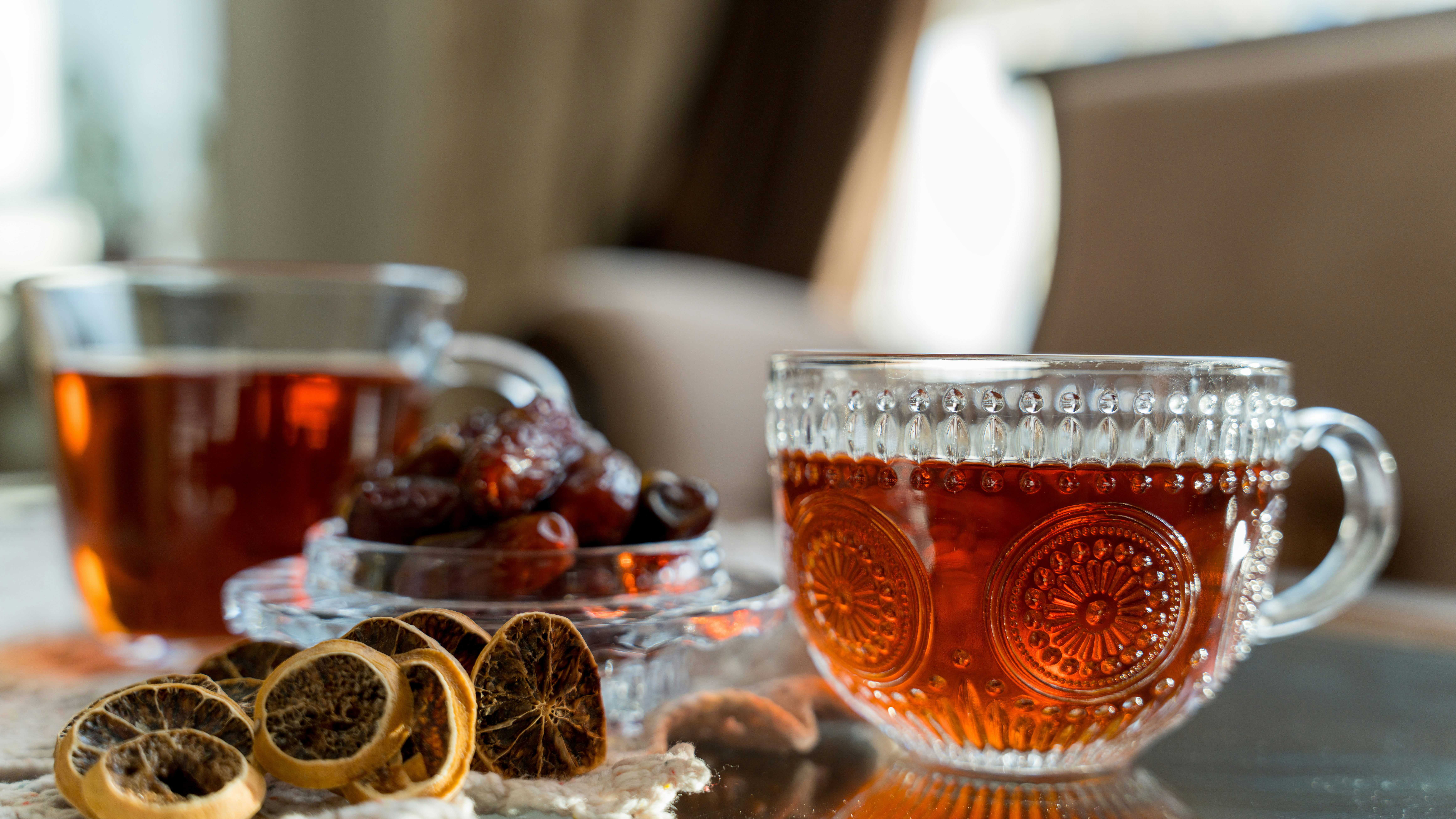

As spring blossoms across communities in 2026, Persian tea traditions continue to weave their magic through homes and gathering spaces, creating bonds that transcend generations. The art of Persian tea gatherings embodies centuries of hospitality, conversation, and cultural connection that remain as vibrant today as they were in ancient Persia. For Iranian-American families and Persian communities throughout the United States, these spring tea gatherings serve as essential touchpoints for maintaining cultural identity while building new traditions in their adopted homeland.
The Sacred Art of Persian Hospitality Culture
Iranian hospitality culture flows through every aspect of a traditional tea gathering, from the careful preparation of the space to the final farewell of guests. The concept of "mehman-navazi" (guest welcoming) governs every detail, from the selection of the finest tea leaves to the arrangement of delicate pastries and sweets that accompany each cup.

Welcome to United Tribes
Where Persian Culture Comes Alive
Join Your Tribe
Connect with your people
Discover Events
Watch parties & festivals
Find Persian Businesses
Restaurants, markets & more
Earn Crown Credits
Get rewarded for engaging
The preparation ritual begins hours before guests arrive, with hosts selecting their most beautiful tea glasses—those distinctive waisted glasses called "istakan"—and polishing the samovar or preparing the traditional tea kettle. The tea itself, typically a robust black tea from northern Iran, steeps to perfection while sugar cubes, fresh herbs, and an array of accompaniments are artfully arranged on serving trays.
Spring gatherings hold special significance within Persian culture, coinciding with the renewal energy of Nowruz and the continued celebration of new beginnings. The season brings fresh herbs like mint and basil to tea services. At the same time, hosts often incorporate seasonal flowers into their table arrangements, creating an atmosphere that celebrates both tradition and the natural world's awakening.
Persian hospitality extends beyond mere refreshment—it creates sacred space for authentic connection. Guests are welcomed not just into homes but into family circles, where conversations flow as freely as the tea being poured. This tradition of openness and generosity has adapted beautifully to contemporary American life, where Persian traditions and communal identity continue to thrive across diverse neighborhoods and cities.
Traditional Tea Service Rituals and Customs
The ceremony of Persian tea service follows time-honored protocols that transform simple beverage preparation into a cultural performance. The host begins by brewing tea in a two-tiered system: the bottom vessel holds boiling water while the top contains concentrated tea essence called "chai-e dam-kardeh."
Key elements of proper Persian tea service include:
- Serving tea in clear glass holders that showcase the amber liquid's rich color
- Offering sugar cubes to be held between teeth while sipping tea
- Providing fresh herbs such as mint, basil, or cardamom for aromatic enhancement
- Arranging accompaniments in appealing displays that honor guests
The pouring technique itself carries meaning, with hosts taking care to achieve the perfect color and strength for each guest's preference. The sound of tea being poured, the gentle clink of glass against glass, and the aromatic steam rising from each cup create a sensory experience that signals the beginning of meaningful social time.
Modern adaptations of these rituals accommodate busy American lifestyles while preserving essential elements. Persian-American families often combine traditional service ware with contemporary convenience, using electric kettles alongside traditional samovars or incorporating organic tea blends while maintaining classic preparation methods.
Spring Delicacies and Tea Accompaniments
Persian social gatherings shine brightest in their presentation of traditional sweets, pastries, and savory accompaniments that complement the tea service. Spring gatherings feature seasonal specialties that celebrate renewal and abundance, creating feast experiences that engage all senses.
Traditional spring accompaniments include:
- Fresh herbs served on decorative plates for nibbling between tea sips
- Delicate cookies like "nan-e nokhodchi" (chickpea cookies) or "nan-e berenji" (rice cookies)
- Seasonal fruits arranged in artistic displays
- Nuts and dried fruits represent prosperity and health
- Small savory items like cheese, fresh bread, and herb-based spreads
The preparation of these accompaniments becomes a community activity, with family members contributing different specialties and sharing preparation duties. Many Persian-American families use these opportunities to pass down recipes and cooking techniques, ensuring younger generations maintain connections to their culinary heritage.
Seasonal herbs play particularly important roles in spring tea gatherings, with fresh mint, basil, cilantro, and parsley appearing in both decorative arrangements and as flavor enhancers. The practice of "sabzi khordan" (eating fresh herbs) offers health benefits while linking gatherings to agricultural traditions and the Persian appreciation for nature's offerings.
Persian cooking traditions often influence tea gathering menus, with hosts preparing simplified versions of beloved dishes that complement rather than overshadow the tea service itself. The goal remains creating abundant hospitality while maintaining focus on conversation and connection.
Conversations and Social Dynamics
The heart of any Persian tea gathering lies not in the beverages or food but in the quality of conversation that unfolds around the shared table. Persian social gatherings create structured yet comfortable environments where multiple generations can connect, share stories, and maintain cultural continuity while adapting to American contexts.
Multi-Generational Connections
Spring tea gatherings serve as bridges between older community members who carry direct memories of Iran and younger generations who may know Persian culture primarily through family transmission. Elder participants share stories, offer guidance, and provide living connections to historical and cultural knowledge, while younger attendees contribute contemporary perspectives and energy.
These intergenerational exchanges prove particularly valuable during spring gatherings, when themes of renewal and growth naturally emerge in conversations. Discussions range from memories of Persian New Year celebrations to plans for upcoming community events, creating continuity between traditions and future aspirations.
Building Community Through Tea Traditions
Persian social gatherings extend beyond individual family hospitality, creating broader community networks that support cultural preservation and mutual assistance. Spring tea gatherings often serve as launching points for larger community initiatives, cultural programs, and collaborative projects that strengthen Persian-American identity and visibility.
Community centers, Persian cultural organizations, and informal neighborhood groups organize tea gatherings that bring together families who might not otherwise connect, expanding social networks and creating opportunities for friendship, business partnerships, and cultural collaboration. These larger gatherings maintain intimate tea-service traditions while accommodating more participants.
The planning and execution of community tea gatherings provide leadership opportunities for volunteers who coordinate logistics, prepare traditional foods, and facilitate conversations between different community segments. These organizational experiences build skills while strengthening community infrastructure and cultural programming capabilities.
Business and professional networking naturally emerge from community tea gatherings, where Persian entrepreneurs, professionals, and service providers connect with potential customers, partners, and collaborators. The trust established through shared cultural practices lays the foundation for business relationships that support community economic development.
Educational components increasingly appear in community tea gatherings, with cultural presentations, language practice sessions, or discussions of Persian history and literature enriching the traditional social format. These learning opportunities ensure the transfer of cultural knowledge while creating engaging content that attracts diverse participation.
Spring gatherings particularly emphasize community building, as the seasonal energy of renewal and growth encourages planning for upcoming cultural events, festivals, and celebrations. The Persian celebration traditions, maintained through tea gatherings, provide a foundation for broader community programming that strengthens cultural visibility and pride throughout the year.
Preserving Heritage Through Shared Tea Moments
Persian tea gatherings in spring 2026 represent living connections to cultural identity, community strength, and intergenerational wisdom that enriches both Persian-American families and the broader communities they call home. Through the simple yet profound act of sharing tea, conversation, and hospitality, Persian communities continue to build bridges between ancient traditions and contemporary American life, ensuring their rich cultural heritage remains vibrant and accessible for future generations.
Visit United Tribes today to learn more about Persian culture and community, and discover the businesses, events, and cultural connections that keep these beautiful traditions alive and thriving across the United States.
Make United Tribes Your Preferred Source
Add United Tribes on Google to get the latest stories, cultural updates, and community events directly in your Google Search and Top Stories.