
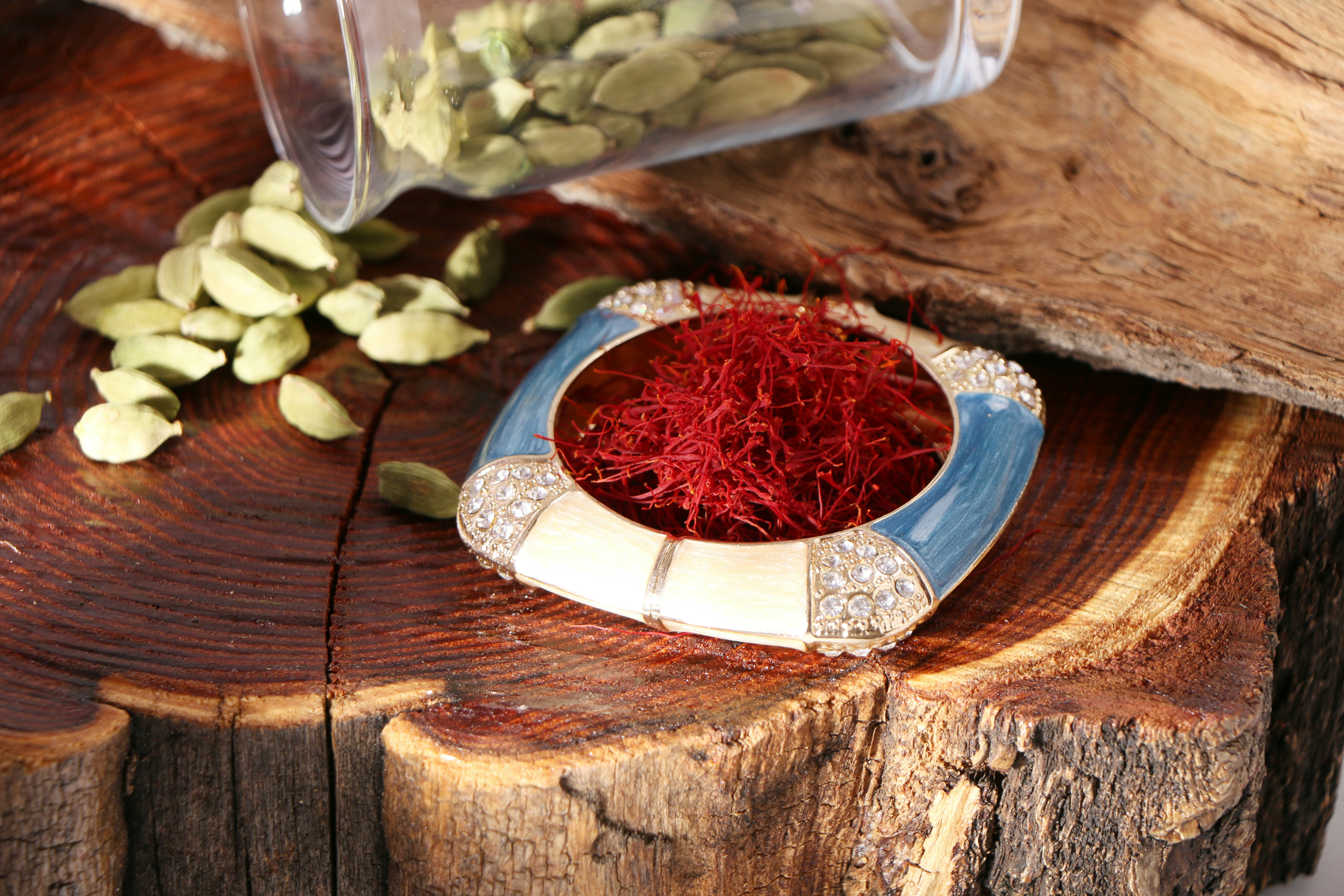

As the days grow shorter and the air turns crisp, Iranian-American families across the United States begin preparing their pantries for the season of celebration and gathering. The late fall and winter months bring treasured holidays like Shabe Yalda and countless opportunities for hosting family and friends with the warmth of Persian hospitality. At the heart of this preparation lies a trinity of ingredients that define Persian holiday cooking: pistachio, saffron, and rosewater. These precious components transform simple dishes into aromatic masterpieces that connect diaspora communities to their rich culinary heritage while creating new memories in American kitchens.
The art of stocking a proper Persian holiday pantry extends beyond mere shopping—it's about understanding the cultural significance of each ingredient and knowing where to source the highest-quality items in American cities. For Iranian-American families, these ingredients serve as edible links to ancestral traditions, allowing them to recreate the flavors of childhood memories and pass down cultural knowledge through the act of cooking together.

Welcome to United Tribes
Where Persian Culture Comes Alive
Join Your Tribe
Connect with your people
Discover Events
Watch parties & festivals
Find Persian Businesses
Restaurants, markets & more
Earn Crown Credits
Get rewarded for engaging
The Golden Thread: Understanding Saffron in Persian Holiday Traditions
Saffron, known as "za'faran" in Persian, stands as the crown jewel of Persian ingredients. This precious spice, harvested from the delicate stigmas of Crocus sativus flowers, brings both vibrant color and distinctive flavor to countless Persian holiday dishes. Iranian-American cooks understand that quality saffron can make or break traditional recipes, from the celebratory jeweled rice served during Shabe Yalda festivities to the aromatic stews that grace winter dinner tables.
Selecting Premium Saffron for Holiday Cooking
When building your Persian holiday pantry, look for saffron threads that display a deep red color with minimal yellow or white portions. The best saffron should feel dry to the touch and release its characteristic aroma when gently warmed. Iranian-American families often prefer sargol-grade saffron, which consists purely of the red stigma tips and provides the most intense flavor and color.
Quality indicators include:
- Deep crimson red threads without breakage
- Sweet, hay-like fragrance with metallic notes
- Packaging that protects from light and moisture
- Clear origin labeling, preferably from Iran or Kashmir
Traditional Saffron Preparation Techniques
The proper preparation of saffron represents a crucial skill that has been passed down through generations of Persian cooks. To unlock saffron's full potential, grind a small amount with a pinch of sugar using a mortar and pestle, then steep in warm water for at least 15 minutes. This liquid gold becomes the foundation for everything from festive rice dishes to delicate Persian sweets.
For holiday entertaining, prepare saffron water in advance and store it in small glass containers in the refrigerator. A tablespoon of properly prepared saffron water can transform ordinary basmati rice into the golden canvas for jeweled rice. At the same time, a few drops add a touch of luxury to Persian tea service during long winter evenings of storytelling and connection.
The Emerald Jewels: Pistachios in Persian Celebration
Pistachios, or "pesteh" in Persian, hold special significance in Iranian culture beyond their role as a beloved snack. These emerald nuts symbolize prosperity and good fortune, making them essential components of Persian holiday shopping lists. Iranian-American families incorporate pistachios into both sweet and savory preparations, from the elaborate rice dishes that anchor holiday meals to the delicate cookies exchanged as gifts during winter celebrations.
Sourcing Quality Pistachios in American Markets
The best pistachios for Persian cooking are characterized by a bright green color, rich flavor, and minimal salt when purchased. Iranian-American cooks often seek out Persian or Sicilian varieties, which offer superior taste and appearance compared to heavily processed alternatives. Many Middle Eastern grocers in major American cities stock premium pistachios, specifically tailored to meet the culinary needs of the Persian community.
When selecting pistachios, prioritize:
- Bright green color indicating freshness
- Minimal or no added salt for cooking applications
- Whole nuts without excessive breakage
- Recent harvest dates when available
- Bulk purchasing options for holiday baking projects
Creative Holiday Applications for Pistachios
Beyond traditional uses, innovative Iranian-American cooks incorporate pistachios into fusion desserts that bridge Persian and American holiday traditions. Pistachio brittle combines the nuts with Persian rosewater for a unique twist on classic candy. In contrast, pistachio-studded Persian cookies become thoughtful gifts that introduce non-Persian friends and neighbors to authentic flavors.
For savory applications, finely chopped pistachios add texture and visual appeal to Persian herb stews. At the same time, whole nuts serve as stunning garnishes for elaborate rice presentations that demonstrate proper Persian hospitality during holiday gatherings.
The Floral Essence: Rosewater's Role in Persian Holiday Cooking
Rosewater, known as "golab" in Persian, brings the essence of Persian gardens to Iranian-American holiday tables. This delicate floral water serves multiple purposes in Persian cuisine, from subtly enhancing flavors in rice dishes to taking starring roles in traditional sweets and beverages. Understanding how to select and use quality rosewater distinguishes authentic Persian cooking from mere approximations.
Finding Authentic Rosewater in American Cities
High-quality rosewater should have an intensely floral scent, without harsh chemical notes or artificial additives. Iranian-American families often prefer brands imported from Iran or produced using traditional distillation methods. The best rosewater comes in dark glass bottles that protect the delicate essence from light degradation.
Premium rosewater characteristics:
- Intense, natural rose fragrance
- Clear appearance without cloudiness
- Glass packaging for preservation
- Traditional production methods
- No artificial additives or preservatives
Traditional and Modern Rosewater Applications
In traditional Persian cooking, rosewater is often used in rice preparations, particularly in the festive jeweled rice that celebrates abundance during winter holidays. A few drops transform ordinary water into aromatic cooking liquid for basmati rice. At the same time, larger quantities create the signature flavor of Persian love cake and delicate rose-flavored cookies that grace holiday tables.
Modern Iranian-American cooks experiment with rosewater in unexpected applications, creating rose-infused simple syrups for cocktails that honor Persian flavors while embracing American entertaining styles. Rosewater also enhances homemade Persian ice cream, a refreshing conclusion to rich holiday meals that showcases the sophisticated flavor profiles that define essential Persian food traditions.
Building Your Complete Persian Holiday Pantry
Creating a well-stocked Persian holiday pantry extends beyond the essential trinity of saffron, pistachios, and rosewater. Iranian-American families prepare for winter entertaining by gathering complementary ingredients that support traditional recipes while enabling creative fusion cooking that reflects their bicultural experience.
Essential Supporting Ingredients
A comprehensive Persian ingredients shopping list includes dried fruits such as barberries, dates, and apricots, which add jewel-like colors to rice dishes. Pomegranate molasses provides the sweet-tart flavor that defines many Persian stews, while dried limes contribute essential sourness to winter comfort foods. Quality basmati rice forms the foundation for countless Persian dishes, while Persian pickles add a bright acidity that cuts through the rich flavors of holiday foods.
Complete pantry essentials include:
- Premium basmati rice for perfect tahdig foundations
- Dried barberries for jeweled rice preparations
- Pomegranate molasses for authentic stew flavoring
- Dried Persian limes for traditional sourness
- Walnuts for both sweet and savory applications
- Cardamom pods for aromatic rice and tea preparations
Seasonal Shopping Strategies
Smart Iranian-American cooks begin holiday pantry preparation in early fall, taking advantage of harvest season pricing for nuts and dried fruits. Many families coordinate group purchases through Persian community organizations, leveraging bulk buying power to access premium ingredients at reasonable prices. Some ingredients, particularly saffron, benefit from advance purchase since quality sources may experience shortages during peak holiday demand.
Quick Persian Holiday Recipes for Your Stocked Pantry
With a properly stocked pantry, Iranian-American home cooks can create impressive holiday dishes that honor tradition while fitting busy American lifestyles. These recipes showcase how the essential trinity of saffron, pistachios, and rosewater transforms simple ingredients into celebration-worthy presentations.
Saffron Rice with Pistachios and Barberries
This stunning rice dish exemplifies traditional Iranian holiday cooking and demonstrates the importance of selecting the right ingredients. Begin by soaking premium basmati rice for 30 minutes, then parboiling until just tender. Meanwhile, steep ground saffron in warm water to create liquid gold that will color and flavor the final dish.
Preparation steps:
1. Layer drained rice in a heavy-bottomed pot with clarified butter
2. Add prepared saffron water and steam for 45 minutes
3. Garnish with toasted pistachios and plumped barberries
4. Serve alongside the golden tahdig that forms on the pot bottom
This dish showcases how quality Persian ingredients can elevate simple rice into a centerpiece worthy of creating perfect tahdig that impresses both Persian and American guests.
Rose Water Shortbread Cookies
These delicate cookies bridge Persian and American baking traditions, incorporating rosewater into a familiar cookie format that appeals to diverse palates. The subtle floral notes complement holiday spice blends while introducing non-Persian friends to authentic Persian flavors through an approachable medium.
Simple recipe approach:
1. Cream butter with powdered sugar until light and fluffy
2. Add rosewater gradually, tasting for balanced floral notes
3. Incorporate flour and chopped pistachios for texture and color
4. Shape and bake until edges just begin to golden
5. Dust with additional powdered sugar while warm
Sourcing Persian Ingredients in Major American Cities
Iranian-American communities across the United States have established reliable networks for accessing authentic Persian ingredients, though availability and quality vary significantly by location. Understanding where to shop and what to look for ensures successful holiday cooking regardless of your geographic location.
West Coast Persian Markets
Los Angeles, particularly the Westwood and Beverly Hills areas known as "Tehrangeles," offers the most comprehensive selection of Persian ingredients shoppers will find. Stores like Wholesome Choice and Super Persian Market stock premium saffron, fresh pistachios, and authentic rose water alongside harder-to-find specialties, such as dried Persian herbs and traditional sweets.
San Francisco Bay Area residents can access quality Persian ingredients through Middle Eastern markets in Berkeley and Fremont. At the same time, Seattle's Persian community supports several specialty grocers that cater to Iranian holiday cooking needs.
East Coast Shopping Resources
New York City's Persian community is concentrated around Great Neck, Long Island, and parts of Manhattan, supporting markets that import directly from Iran whenever possible. Washington, DC area residents benefit from the large Persian population in McLean and Tysons Corner, Virginia, where several well-established markets cater to the culinary needs of the Iranian-American community.
Midwest and Southern Sources
Chicago's Persian community supports markets along the North Shore, while Houston's substantial Iranian-American population maintains several quality Middle Eastern grocers. Smaller cities often rely on online ordering and occasional group purchases organized through Persian cultural associations and mosques.
Online Resources and Mail-Order Options
For Iranian-Americans in areas with limited local Persian markets, several reputable online sources provide authentic ingredients with proper shipping methods that preserve quality. Look for vendors who specialize in Persian products and understand the proper storage and shipping requirements for delicate ingredients, such as saffron and rosewater.
Preserving Heritage Through Holiday Cooking
As Iranian holiday cooking continues to evolve within American contexts, the essential trinity of saffron, pistachio, and rosewater remains constant, providing authentic flavors that ground fusion experiments in traditional foundations. Whether recreating childhood memories or introducing Persian hospitality to new friends, these carefully chosen ingredients enable Iranian-American families to share their rich heritage through the generous act of cooking and hosting that defines Persian culture.
Visit United Tribes today and discover more about Persian culture and community, connecting with fellow Iranian-Americans who share your passion for preserving culinary traditions while creating new memories in your adopted homeland.
Make United Tribes Your Preferred Source
Add United Tribes on Google to get the latest stories, cultural updates, and community events directly in your Google Search and Top Stories.


