
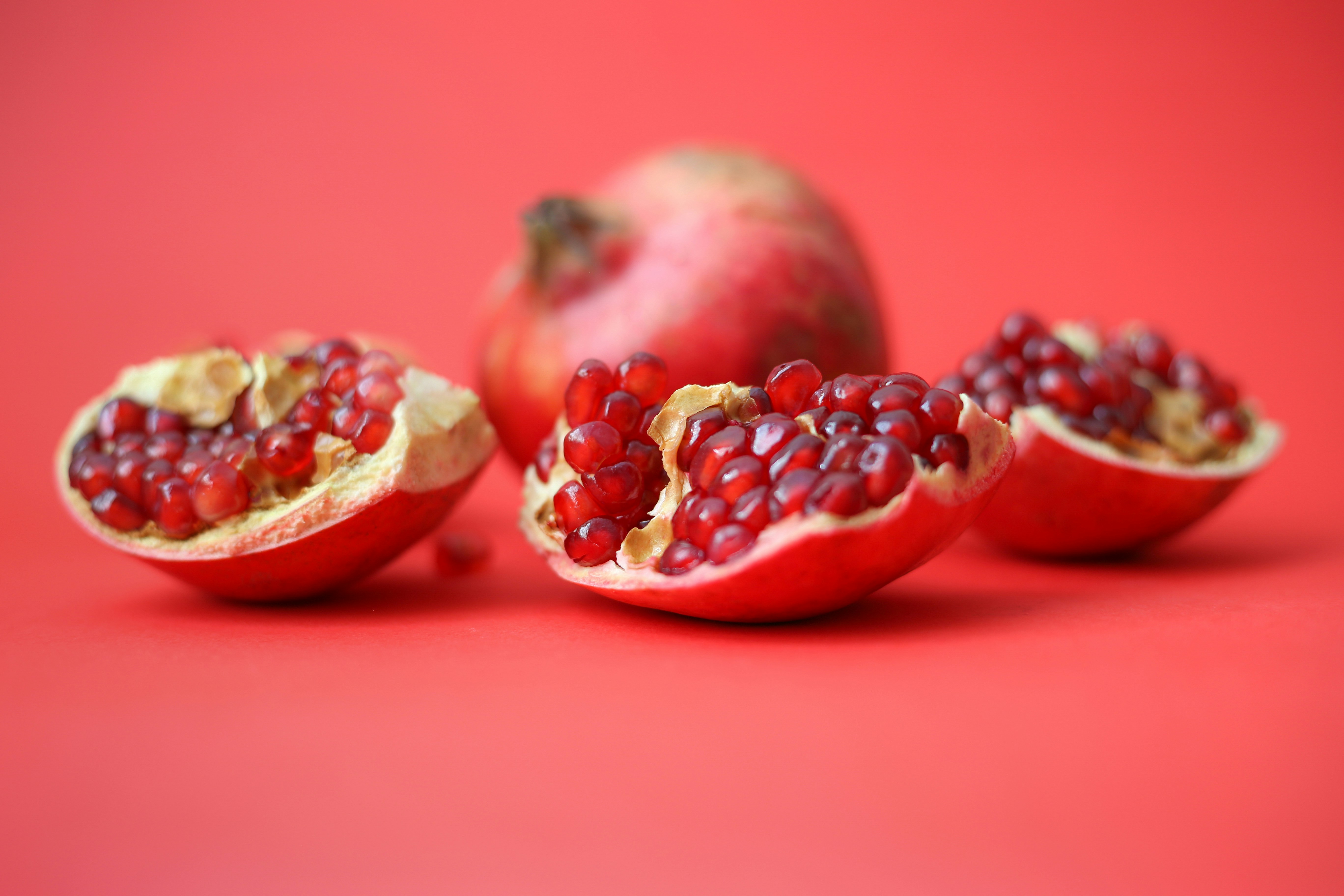

The pomegranate has been a cherished symbol in Persian culture for millennia, representing fertility, abundance, and eternal life. As Iranian-American artists navigate the delicate balance between preserving their ancestral heritage and embracing contemporary American artistic expression, the pomegranate emerges as a powerful visual bridge connecting past and present. This ancient fruit, with its ruby-red seeds and crown-like calyx, has found new life in the hands of Persian designers who infuse traditional symbolism into modern artistic mediums.
From the bustling art galleries of Los Angeles to the boutique studios of New York, Iranian-American artists are weaving pomegranate motifs into their work with remarkable creativity and cultural reverence. These artists understand that their role extends beyond mere aesthetic creation; they serve as cultural ambassadors, preserving and transmitting the rich symbolic language of their ancestors while speaking to contemporary American audiences.

Welcome to United Tribes
Where Persian Culture Comes Alive
Join Your Tribe
Connect with your people
Discover Events
Watch parties & festivals
Find Persian Businesses
Restaurants, markets & more
Earn Crown Credits
Get rewarded for engaging
The Deep Roots of Persian Pomegranate Symbolism
The significance of pomegranates in Persian culture extends far beyond their visual appeal. In ancient Zoroastrian traditions, the pomegranate represented the cycle of life, death, and rebirth, making it a sacred fruit associated with divine feminine energy and fertility. Persian literature, from the classical works of Hafez to the epic poems of Ferdowsi, is rich with pomegranate imagery that speaks to love, passion, and spiritual awakening.
Persian pomegranate symbolisms and motifs carry multiple layers of meaning that resonate deeply within Iranian communities. The fruit's numerous seeds represent abundance and prosperity, while its deep red color symbolizes the blood of life and sacrifice. During Shabe Yalda, the Persian winter solstice celebration, pomegranates hold special significance as symbols of the crimson hues of dawn and the hope of spring's return.
In Persian carpet weaving traditions, pomegranate motifs have been a prominent feature for centuries, frequently incorporated into the borders and central medallions of rugs. These designs carry forward ancient Mesopotamian and Achaemenid artistic traditions, representing a continuous thread of cultural expression that Iranian-American artists now reinterpret for contemporary audiences.
The pomegranate's crown-like calyx has also made it a symbol of royalty and divine authority in Persian artistic traditions. This regal association explains why the motif frequently appears in palace decorations, royal garments, and ceremonial objects throughout Persian history.
Contemporary Iranian-American Artists and Their Pomegranate Interpretations
Iranian American artists across the United States have adopted pomegranate motifs as a symbol of cultural expression and identity preservation. These contemporary creators work across diverse mediums, from traditional Persian miniature painting to cutting-edge digital art installations, all unified by their thoughtful incorporation of this ancient symbol.
Jewelry Design and Metalwork
Persian-American jewelers have found the pomegranate motif particularly compelling for its adaptability to various scales and materials. Renowned Iranian-American jewelry designers create pieces that range from delicate pomegranate seed earrings crafted in rose gold to bold statement necklaces featuring stylized pomegranate forms encrusted with garnets and rubies.
The intricate nature of pomegranate seeds lends itself beautifully to granulation techniques, an ancient metalworking method that Persian artisans have mastered over centuries. Contemporary Iranian-American jewelers utilize these traditional techniques to craft modern pieces that blend Persian heritage with contemporary American aesthetics.
Many of these artisans participate in cultural festivals and community events, particularly during Nowruz celebrations, where their pomegranate-inspired jewelry becomes part of the broader cultural celebration of the Persian New Year.
Textile Arts and Fashion
Iranian-American textile artists have revolutionized traditional Persian weaving and embroidery techniques by incorporating pomegranate motifs into contemporary fashion and home décor. These artists often draw inspiration from historical Persian textiles while adapting designs for modern American lifestyles.
Contemporary Persian-American fashion designers create clothing lines that subtly incorporate pomegranate patterns into everything from casual wear to formal evening gowns. The motif appears as embroidered details, printed patterns, and even as inspiration for garment silhouettes that echo the fruit's distinctive shape.
Textile artists also create contemporary Persian carpets and tapestries that reimagine traditional pomegranate motifs using modern materials and techniques. These pieces often serve as focal points in Iranian-American homes, creating spaces that honor cultural heritage while fitting seamlessly into American interior design aesthetics.
Winter Showcases and Seasonal Celebrations
Winter holds special significance for the Persian pomegranates, as this season encompasses several important Persian cultural celebrations where the fruit plays a central role. Iranian-American artists have recognized this seasonal connection, and often their exhibitions and showcases coincide with these meaningful periods.
During the winter months, particularly around Yalda Night and the lead-up to Nowruz, Iranian-American galleries and cultural centers across the United States host special exhibitions featuring artwork themed around pomegranates. These winter showcases serve multiple purposes: they celebrate Persian cultural traditions, provide a platform for Iranian-American artists, and educate a broader American audience about Persian artistic heritage.
Gallery Exhibitions and Cultural Events
Major cities with significant Iranian-American populations, including Los Angeles, New York, Washington D.C., and San Francisco, regularly host winter art exhibitions that prominently feature pomegranate motifs. These exhibitions often coincide with traditional Persian celebrations, creating immersive cultural experiences that combine visual art with music, poetry, and traditional Persian cuisine.
The timing of these winter showcases is particularly meaningful because it connects the artwork to the cyclical nature of Persian cultural celebrations. Just as ancient Persians used pomegranates to symbolize hope during the darkest nights of winter, contemporary Iranian-American artists use this motif to maintain cultural connections during their own periods of cultural navigation and adaptation.
Ceramics and Sculptural Works
Persian ceramic traditions have provided Iranian-American artists with rich inspiration for contemporary sculptural works featuring pomegranate motifs. These artists often study historical Persian pottery, particularly pieces from the Safavid and Qajar periods, to understand traditional approaches to depicting pomegranates in clay and glaze.
Contemporary Iranian-American ceramicists create both functional and sculptural pieces that incorporate pomegranate imagery. Functional ceramics include dinner services, decorative bowls, and serving pieces that bring Persian aesthetic traditions into American dining experiences. These pieces often feature pomegranate motifs rendered in traditional Persian blue and white color schemes, as well as more contemporary interpretations using modern glazing techniques.
Sculptural Installations
Large-scale sculptural installations by Iranian American artists often use the pomegranate as a central metaphor for the immigrant experience. These works explore themes of cultural fragmentation and reunification, using the pomegranate's structure of individual seeds within a unified whole as a powerful symbol for diaspora communities.
Public art installations in cities with significant Iranian-American populations sometimes feature stylized pomegranate sculptures that serve as community gathering points and symbols of cultural pride. These installations demonstrate how ancient Persian symbols can find new meaning and purpose in American urban environments.
Branding and Commercial Applications
The commercial application of pomegranate motifs by Iranian-American entrepreneurs represents another significant aspect of Persian design. Many Iranian-American business owners incorporate pomegranate imagery into their branding, creating visual identities that immediately communicate their cultural heritage while appealing to diverse American consumers.
Persian restaurants across the United States frequently use stylized pomegranate logos and interior design elements that incorporate the motif. These design choices serve both aesthetic and cultural purposes, creating authentically Persian dining environments while educating non-Persian customers about the cultural significance of the fruit.
Iranian-American skincare and beauty companies have also incorporated pomegranate motifs into their branding, often linking the fruit's traditional associations with beauty and youth to their product lines. The commercial use of Persian pomegranate symbolism illustrates how ancient cultural symbols can regain relevance in contemporary business contexts.
Cultural Education Through Commerce
Many Iranian-American businesses utilize their pomegranate-themed branding as an educational opportunity, incorporating information about the fruit's cultural significance on packaging, websites, and in-store displays. This approach transforms commercial transactions into cultural exchange moments, helping to preserve and transmit Persian traditions to a broader American audience.
The hospitality values embedded in Persian culture often influence how these businesses present pomegranate motifs, creating welcoming environments that invite cultural curiosity and appreciation.
Digital Art and Contemporary Media
The digital age has opened new frontiers for Iranian-American artists to explore the symbolism of pomegranates through contemporary media. Digital artists create animated pomegranate motifs for social media, interactive installations for museums, and virtual reality experiences that allow users to explore Persian gardens filled with pomegranate trees.
These digital interpretations often combine traditional Persian artistic techniques with cutting-edge technology, creating hybrid forms of cultural expression that speak to both heritage and innovation. Social media platforms have become galleries for sharing these digital pomegranate artworks, connecting Iranian-Americans across geographic boundaries and introducing Persian symbolism to global audiences.
The principles of Mehrbani and Taarof often influence how these digital artists share and promote their work, emphasizing community building and cultural generosity over individual recognition.
Preserving Heritage Through Artistic Innovation
Iranian-American artists working with pomegranate motifs serve as cultural bridges, translating ancient Persian symbolism for contemporary American contexts while preserving essential cultural meanings. Their work demonstrates how traditional symbols can remain relevant and powerful across cultures and generations when handled with understanding and respect.
These artists often collaborate with cultural organizations, museums, and educational institutions to ensure that their artistic innovations contribute to broader cultural preservation efforts. Through workshops, exhibitions, and community programs, they pass on both artistic techniques and cultural knowledge to younger generations of Iranian-Americans.
The success of these artistic efforts can be measured not only in aesthetic achievement but also in their ability to maintain cultural connections and educate diverse audiences about Persian heritage. As these artists continue to innovate and create, they ensure that Persian pomegranate symbolisms remain a living, evolving aspect of Iranian-American cultural expression.
The Enduring Pomengranate Heritage in Persian Art
The pomegranate motif in Iranian-American art represents far more than decorative tradition; it embodies the resilient spirit of a community determined to preserve its cultural identity while embracing new artistic possibilities. From the delicate metalwork of Persian-American jewelers to the bold installations of contemporary sculptors, these artists demonstrate how ancient symbols can find fresh relevance in modern American contexts. Their work serves as a bridge between generations, connecting young Iranian-Americans to their ancestral heritage while introducing broader American audiences to the rich symbolic language of Persian culture.
As Iranian-American artists continue to innovate with pomegranate motifs across diverse mediums, they contribute to a growing movement of cultural preservation through artistic expression.
Visit United Tribes today and discover more about Persian culture and community, where tradition meets innovation in the hands of talented Iranian-American artists and creators.
Make United Tribes Your Preferred Source
Add United Tribes on Google to get the latest stories, cultural updates, and community events directly in your Google Search and Top Stories.


