
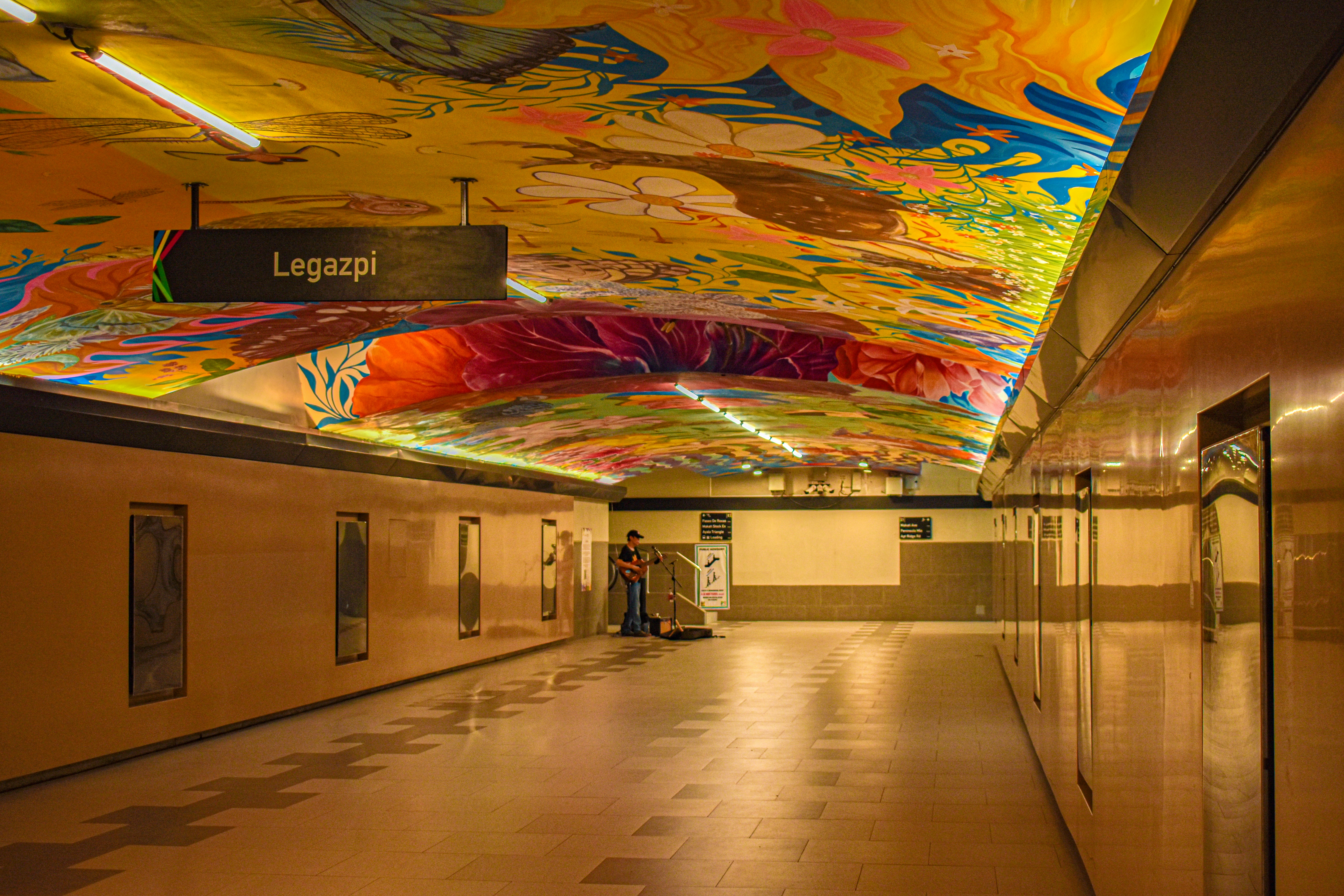


Filipino-American communities across the United States are breathing new life into ancestral traditions by preserving and practicing traditional art forms. From intricate weaving techniques passed down through generations to contemporary interpretations of classical painting styles, Filipino art has found a vibrant home in diaspora communities. These artistic expressions serve not only as creative outlets but also as vital links to cultural identity, connecting Filipino Americans to their roots while adapting to modern American life.
Traditional Weaving Arts in Filipino-American Communities
T'nalak and T'boli Weaving Traditions
The ancient art of T'nalak weaving, originating from the T'boli people of South Cotabato, has found dedicated practitioners in Filipino-American communities, particularly in California and Hawaii. This sacred textile tradition, known for its intricate geometric patterns and natural abaca fiber, requires years of training and spiritual connection to master.
Filipino-American weaving circles have emerged in cities such as Los Angeles, San Francisco, and Honolulu, where master weavers teach younger generations the complex techniques required to create these sacred cloths. These workshops often coincide with cultural celebrations, creating opportunities for intergenerational learning and cultural exchange.
Contemporary Adaptations of Traditional Techniques
Modern Filipino-American artists are innovating within traditional frameworks, incorporating contemporary materials and designs while maintaining the essential techniques of their ancestors. Weaving cooperatives in Filipino enclaves across the United States create everything from traditional barong tagalog fabric to modern home décor items that reflect both Filipino aesthetics and American practicality.
These adaptations serve dual purposes: they make traditional Filipino crafts accessible to broader American audiences while ensuring the survival of ancient techniques. Many Filipino-American families now display contemporary woven pieces alongside traditional heirloom textiles, creating living museums within their homes.
Filipino Painting Traditions and Modern Interpretations
Classical Filipino Painting Techniques
The tradition of Filipino painting encompasses various regional styles, from the detailed religious iconography influenced by Spanish colonization to the vibrant folk art traditions across the Philippines. Filipino-American artists are preserving these techniques through dedicated art studios and cultural centers that offer classes in traditional painting methods.
Traditional Filipino crafts, such as painting on bamboo, wood, and canvas using natural pigments, are being taught in community centers across major Filipino-American population centers. These classes often focus on religious themes, landscape painting in the style of Filipino masters such as Fernando Amorsolo, and portrait techniques that capture the unique Filipino aesthetic.
Contemporary Filipino-American Art Movements
Modern Filipino-American painters are creating powerful works that blend traditional techniques with contemporary themes, exploring issues of identity, diaspora experience, and cultural preservation. These artists often draw inspiration from traditional motifs while addressing modern Filipino-American experiences, creating art that speaks to both heritage and current reality.
Art galleries in Filipino cultural districts regularly host exhibitions that showcase the evolution of traditional painting styles. These venues serve as important gathering places where community members can connect with their artistic heritage while supporting contemporary Filipino-American artists.
Sculpture and Three-Dimensional Art Forms
Wood Carving Traditions
The Philippines' rich tradition of wood carving, from the intricate santos (religious statues) to decorative architectural elements, continues to thrive in Filipino-American communities. Master carvers who immigrated to the United States have established workshops where they create both traditional religious pieces and contemporary sculptures that incorporate Filipino design elements.
These artisans work with both traditional Filipino hardwoods imported for special projects and locally available American woods, adapting their techniques to new materials while maintaining the essential characteristics of Filipino carving traditions. The resulting pieces often grace Filipino-American homes, churches, and community centers, serving as focal points for cultural identity and spiritual practice.
Contemporary Sculptural Expressions
Filipino-American sculptors are pushing boundaries by integrating traditional carving techniques into contemporary artistic expression. These artists create pieces that explore themes of migration, cultural adaptation, and the preservation of heritage in contemporary settings. Their works often feature in major American museums and galleries, bringing Filipino culture preservation efforts to mainstream American audiences.
Community sculpture projects, in which multiple generations collaborate to create public art installations, have become popular ways to engage entire Filipino-American neighborhoods in cultural preservation. These collaborative efforts strengthen community bonds while creating lasting monuments to Filipino heritage in American cities.
Cultural Centers and Art Education Programs
Establishing Learning Institutions
Filipino-American communities have established cultural centers and art schools dedicated to preserving traditional art forms while making them accessible to new generations. These institutions offer structured programs that combine technical instruction with cultural education, ensuring that students understand not just the "how" but also the "why" behind each artistic tradition.
Many of these centers partner with local schools and universities to offer credit courses in traditional Filipino arts, legitimizing these practices within American educational frameworks while preserving their cultural authenticity. The curriculum often includes history, cultural context, and spiritual significance alongside practical instruction.
Intergenerational Knowledge Transfer
The most successful Filipino culture preservation programs emphasize the importance of direct mentorship between master artists and younger practitioners. These relationships often extend beyond formal instruction to include cultural mentorship, where elder artists share stories, traditions, and wisdom alongside technical skills.
Family-based learning remains crucial to this process, with many Filipino-American families dedicating time to traditional art practices to stay connected to their heritage. Children grow up surrounded by traditional crafts and often develop lifelong appreciation for these art forms, even if they don't become practitioners themselves.
Digital Preservation and Modern Documentation
Online Communities and Virtual Learning
The digital age has opened new possibilities for preserving Filipino art, with online platforms enabling Filipino-American artists to share techniques, collaborate on projects, and teach students across geographic distances. Virtual workshops have become particularly important for reaching Filipino Americans in areas with small community populations.
Social media groups dedicated to specific art forms allow practitioners to share their work, seek advice, and maintain connections with artists in the Philippines and other diaspora communities worldwide. These digital networks have proven invaluable for preserving knowledge that might otherwise be lost as older generations pass away.
Digital Archives and Documentation Projects
Cultural organizations are creating comprehensive digital archives of traditional Filipino art techniques, including video demonstrations, historical context, and contemporary applications. These archives serve as educational resources for future generations while preserving knowledge in formats that endure over time and technological change.
Many projects also focus on documenting the stories of Filipino-American artists, capturing not just their techniques but also their personal journeys of cultural preservation and adaptation. These oral histories provide valuable context for understanding how traditional arts evolve in diaspora communities.
Community Impact and Cultural Resilience
Strengthening Cultural Identity
The practice and preservation of traditional art forms are powerful tools for maintaining Filipino cultural identity in American society. For many Filipino-Americans, engaging with ancestral arts provides a sense of grounding and connection that complements their American experiences.
These artistic practices often become central to family traditions and community gatherings, creating shared experiences that strengthen cultural bonds. Children who grow up around traditional arts develop a deeper appreciation for their heritage and often become cultural ambassadors in their broader American communities.
Economic and Social Benefits
Traditional Filipino arts have also created economic opportunities for Filipino-American communities, with many artists selling their work to collectors, decorators, and cultural enthusiasts. This economic aspect helps ensure the sustainability of these traditions while providing practitioners with income.
The social benefits extend beyond the Filipino-American community, as these art forms introduce broader American audiences to Filipino culture and contribute to the multicultural tapestry of American society. Art festivals, gallery exhibitions, and cultural demonstrations help build bridges between communities while celebrating Filipino heritage.
The preservation efforts also demonstrate the resilience of Filipino-American communities, showing how cultural traditions can not only survive but also thrive in new environments. These artistic expressions become part of the broader American cultural landscape while maintaining their distinctly Filipino characteristics.
Preserving Heritage Through Creative Expression
The preservation of traditional Filipino art forms in the United States represents a remarkable testament to the enduring power of cultural heritage and community commitment. Through weaving, painting, sculpture, and digital innovation, Filipino-Americans are ensuring that ancestral wisdom continues to flourish in contemporary settings. These efforts create bridges between generations, strengthen cultural identity, and contribute to America's rich multicultural artistic landscape.
Visit United Tribes today to learn more about Filipino culture and community, discover local artists, attend cultural events, and engage with traditional art forms in your area.


