
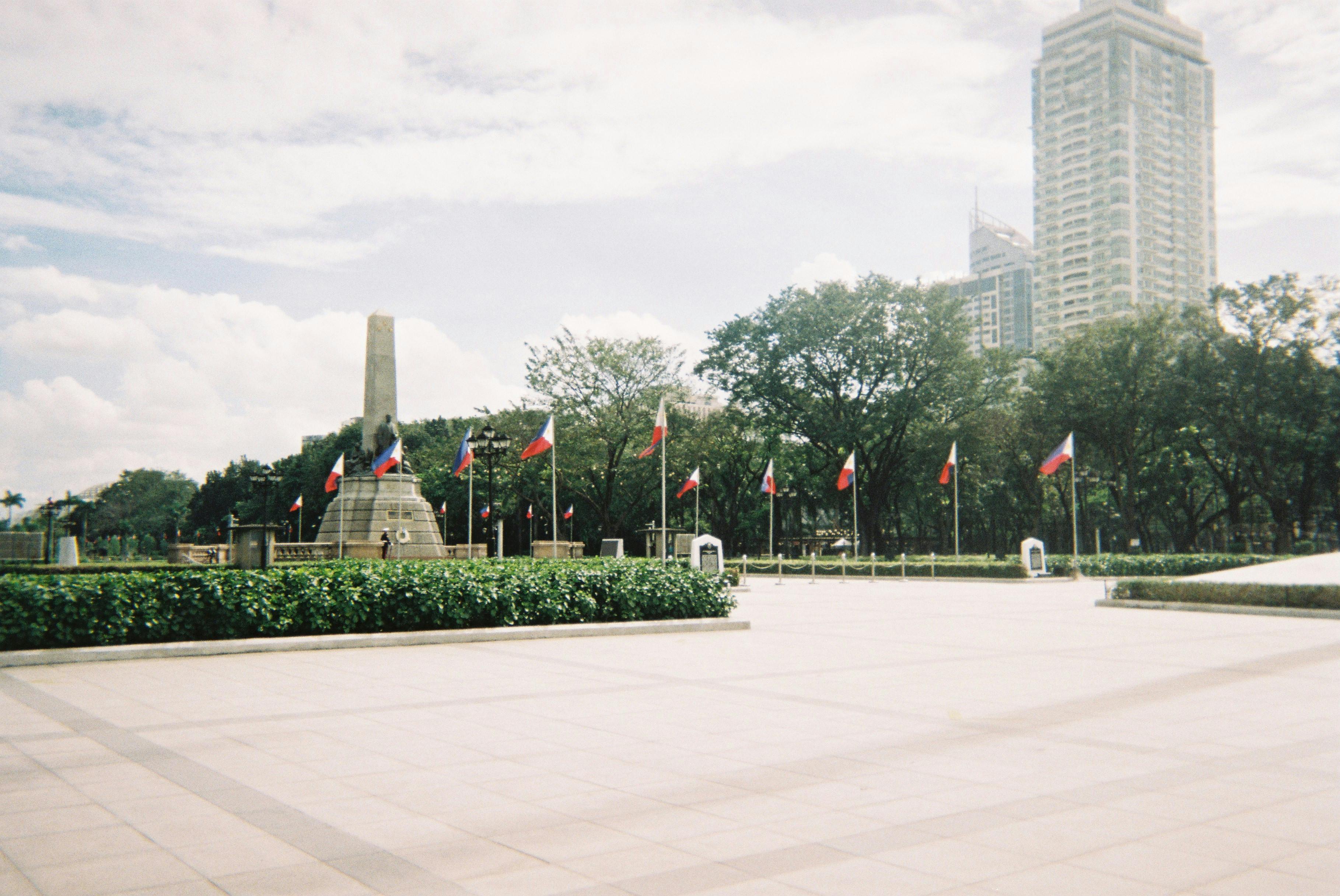


Every December 30th, Filipino-American communities across the United States pause to honor one of the Philippines' greatest heroes, Dr. José Rizal. This day, known as Rizal Day, transforms into a powerful celebration of heritage, education, and community unity that bridges the gap between ancestral roots and American soil. From coast to coast, Filipino American history comes alive through commemorative events that honor Rizal's legacy and strengthen cultural identity among diaspora communities.
The observance of Rizal Day represents far more than a simple remembrance ceremony. It serves as a cornerstone for Filipino-American identity, offering families, especially younger generations, a tangible connection to their homeland's rich history and values.
Historical Significance of José Rizal in the Filipino-American Context
Dr. José Rizal's influence extends far beyond his martyrdom in 1896. For Filipino-Americans, Rizal represents the intellectual foundation of Filipino nationalism and the pursuit of education as a path to freedom and progress. His novels, "Noli Me Tangere" and "El Filibusterismo," continue to serve as educational tools in Filipino-American households, helping parents teach their American-born children about the struggles and triumphs of their ancestors.
Filipino community events centered around Rizal Day often feature dramatic readings from his works, allowing participants to experience the revolutionary spirit that defined the Philippine independence movement. These literary presentations become particularly meaningful in American settings, where Filipino families can draw parallels between Rizal's fight for reform and their own journey as immigrants seeking better opportunities while maintaining cultural integrity.
The celebration also emphasizes Rizal's role as a polymath, being a doctor, writer, artist, and linguist, qualities that resonate strongly with Filipino-American families who value education and multifaceted achievement. Community leaders often highlight how Rizal's diverse talents mirror the adaptability and excellence that characterize Filipino-American success stories across various professional fields in the United States.
Traditional Commemorative Ceremonies Across America
Wreath-laying ceremonies form the centerpiece of Rizal Day observances in major Filipino-American population centers. Cities like Los Angeles, San Francisco, New York, Chicago, and Houston host elaborate memorial services at Rizal monuments, parks, or community centers. These solemn ceremonies typically begin with the presentation of colors, featuring both American and Philippine flags, symbolizing the dual heritage that defines the Filipino-American experience.
The José Rizal Memorial in Seattle's International District draws hundreds of Filipino-Americans each December 30th for one of the West Coast's most significant commemorations. Participants, dressed in traditional Filipino attire, gather to lay wreaths as community leaders deliver speeches that connect Rizal's ideals to contemporary Filipino-American achievements and challenges.
Community Leadership and Ceremonial Traditions
Filipino-American organizations coordinate these events with meticulous attention to cultural authenticity. The Knights of Rizal, an international fraternal organization, often leads ceremonial protocols, ensuring that traditional elements like the "Lupang Hinirang" (Philippine national anthem) and "Mi Último Adiós" readings maintain their cultural significance while adapting to American civic contexts.
Many ceremonies incorporate military honors, recognizing Filipino-American veterans who served in the U.S. Armed Forces, creating a bridge between Rizal's patriotic sacrifice and the continued service of Filipino-Americans to their adopted country. These moments of recognition particularly resonate with families whose relatives served in World War II or more recent conflicts.
Educational Programs and Youth Engagement
Filipino American history education takes center stage during Rizal Day through comprehensive programming designed to engage younger generations. Cultural centers and Filipino-American schools organize essay contests, poetry recitations, and historical presentations that challenge students to connect Rizal's teachings with their contemporary American experience.
The Rizal Youth Achievement Awards have become popular in communities like California's Bay Area and New York's tri-state region, recognizing young Filipino-Americans who embody Rizal's values of academic excellence, community service, and cultural pride. These programs often offer scholarship opportunities, mentorship, and internships that help young people advance their education while staying connected to their heritage.
Academic Competitions and Cultural Learning
Oratorical contests focusing on Rizal's writings and their modern relevance draw participants from Filipino-American youth across multiple states. Students research topics such as "Rizal's Vision of Education in 21st Century America" or "Social Justice Lessons from Noli Me Tangere," and create presentations that demonstrate how historical lessons apply to contemporary social issues affecting Filipino-American communities.
Many Filipino-American cultural associations partner with local universities to host symposiums where scholars present research on Rizal's continuing influence on Filipino diaspora identity. These academic events often feature panel discussions with community leaders, educators, and young professionals who share how Rizal's example influenced their personal and professional development in America.
Regional Variations in Rizal Day Celebrations
Filipino community events vary significantly across different regions of the United States, reflecting local demographics, resources, and cultural priorities. West Coast celebrations, particularly in California, tend to emphasize artistic and cultural exhibitions, with Filipino-American artists displaying Rizal-inspired artwork, photography, and multimedia presentations that interpret his legacy through contemporary American Filipino perspectives.
East Coast commemorations often focus more on academic and professional networking, with events featuring successful Filipino-American business leaders, doctors, lawyers, and educators who discuss how Rizal's emphasis on excellence and service influenced their career paths. These gatherings frequently include career mentorship sessions and professional development workshops for younger community members.
Southern and Midwest Adaptations
In states like Texas and Illinois, Rizal Day celebrations often incorporate family-friendly festivals that combine traditional commemoration with community-building activities. These events might feature Filipino food booths, cultural performances, and children's activities that make historical education accessible and engaging for entire families.
Rural Filipino-American communities have developed innovative approaches to Rizal Day observance, often combining resources across multiple states to host regional gatherings. These multi-state celebrations create opportunities for Filipino-Americans in less populated areas to connect with larger community networks while maintaining their commitment to cultural preservation and education.
Modern Adaptations and Digital Commemoration
The digital age has transformed how Filipino-American communities observe Rizal Day, with virtual ceremonies, online educational resources, and social media campaigns extending the reach of traditional commemorations. Filipino American history organizations now livestream major ceremonies, allowing family members across the country to participate in commemorations regardless of geographic limitations.
Social media initiatives have become increasingly sophisticated, with hashtag campaigns like #RizalDayUSA and #FilAmPride generating thousands of posts that share family stories, historical facts, and personal reflections on Rizal's continuing relevance. These digital conversations often spark broader discussions about Filipino-American identity, historical education, and community pride that extend well beyond December 30th.
Filipino-American content creators produce educational videos, podcasts, and blog posts that make Rizal's complex historical and literary contributions accessible to younger generations who might struggle with traditional academic presentations. These modern interpretations often connect Rizal's experiences as a student abroad to contemporary Filipino-American student experiences, creating relatable narratives that strengthen cultural connections.
Community Unity and Identity Strengthening
Rizal Day serves as a unifying force within Filipino-American communities, bringing together families from different regional backgrounds, socioeconomic levels, and immigration generations. The shared reverence for Rizal creates common ground that transcends the internal divisions that sometimes affect diaspora communities, fostering collaboration and mutual support.
These celebrations often feature cultural performances that showcase the diversity within Filipino-American communities, with traditional dances, music, and regional Filipino dishes representing different provinces and islands. This cultural showcase helps Filipino-Americans appreciate the full spectrum of their heritage while building bridges between different regional communities that might not otherwise interact.
Intergenerational Connection Building
Filipino community events during Rizal Day create crucial opportunities for intergenerational dialogue, with older community members sharing immigration stories, historical memories, and cultural knowledge with younger generations. These conversations often reveal how the spirit of resilience that characterized Rizal's era continues to influence Filipino-American responses to contemporary challenges.
Many families use Rizal Day as an opportunity to discuss their own immigration journeys, connecting their parents' or grandparents' decisions to leave the Philippines with Rizal's vision of a better future through education and reform. These personal narratives help younger Filipino-Americans understand their place in both American society and Filipino history.
Cultural Preservation Through Celebration
The annual observance of Rizal Day plays a vital role in preserving Filipino culture within American society, ensuring that important historical knowledge, values, and traditions continue to influence future generations of Filipino-Americans. Through consistent annual programming, communities develop institutional memory and cultural continuity that might otherwise be lost in the process of American integration.
Cultural preservation efforts during Rizal Day often extend beyond historical commemoration to include language education, traditional arts instruction, and culinary workshops that teach practical skills alongside historical knowledge. These comprehensive programs ensure that Filipino-American children develop both emotional connections and practical skills rooted in their heritage.
The success of these preservation efforts can be measured in the increasing participation of third and fourth-generation Filipino-Americans in Rizal Day activities, demonstrating that well-designed cultural programming can maintain relevance and appeal across multiple generations of American-born participants.
Future Directions and Community Growth
As Filipino-American communities continue to grow and evolve, Rizal Day celebrations are adapting to reflect changing demographics, interests, and community needs. Younger organizers are incorporating technology, environmental consciousness, and social justice themes that connect Rizal's reform-minded legacy with contemporary American social movements and Filipino-American civic engagement.
Filipino community events are increasingly incorporating partnerships with non-Filipino organizations, educational institutions, and civic groups, expanding the reach of Rizal Day programming while building broader community relationships. These collaborations often result in more substantial funding, wider participation, and greater visibility for Filipino-American cultural contributions within their local communities.
The integration of Rizal Day programming with broader Filipino celebrations throughout the year creates comprehensive cultural education systems that provide multiple touchpoints for community engagement and heritage learning, ensuring that December 30th serves as a capstone rather than an isolated event.
Continuing Rizal's Legacy in America
Rizal Day commemorations across America represent the ongoing vitality and adaptability of Filipino-American communities committed to preserving their heritage while embracing their American future. Through wreath-laying ceremonies, educational programs, youth competitions, and community gatherings, Filipino-Americans have successfully created meaningful traditions that honor their past while building stronger communities for future generations.
These celebrations demonstrate how immigrant communities can maintain cultural identity while fully participating in American society, creating rich, multifaceted traditions that benefit both Filipino-American families and their broader local communities.
Visit United Tribes today to learn more about Filipino culture, community events, resources, and connections that celebrate the rich heritage and ongoing contributions of Filipino-Americans across the United States.


