
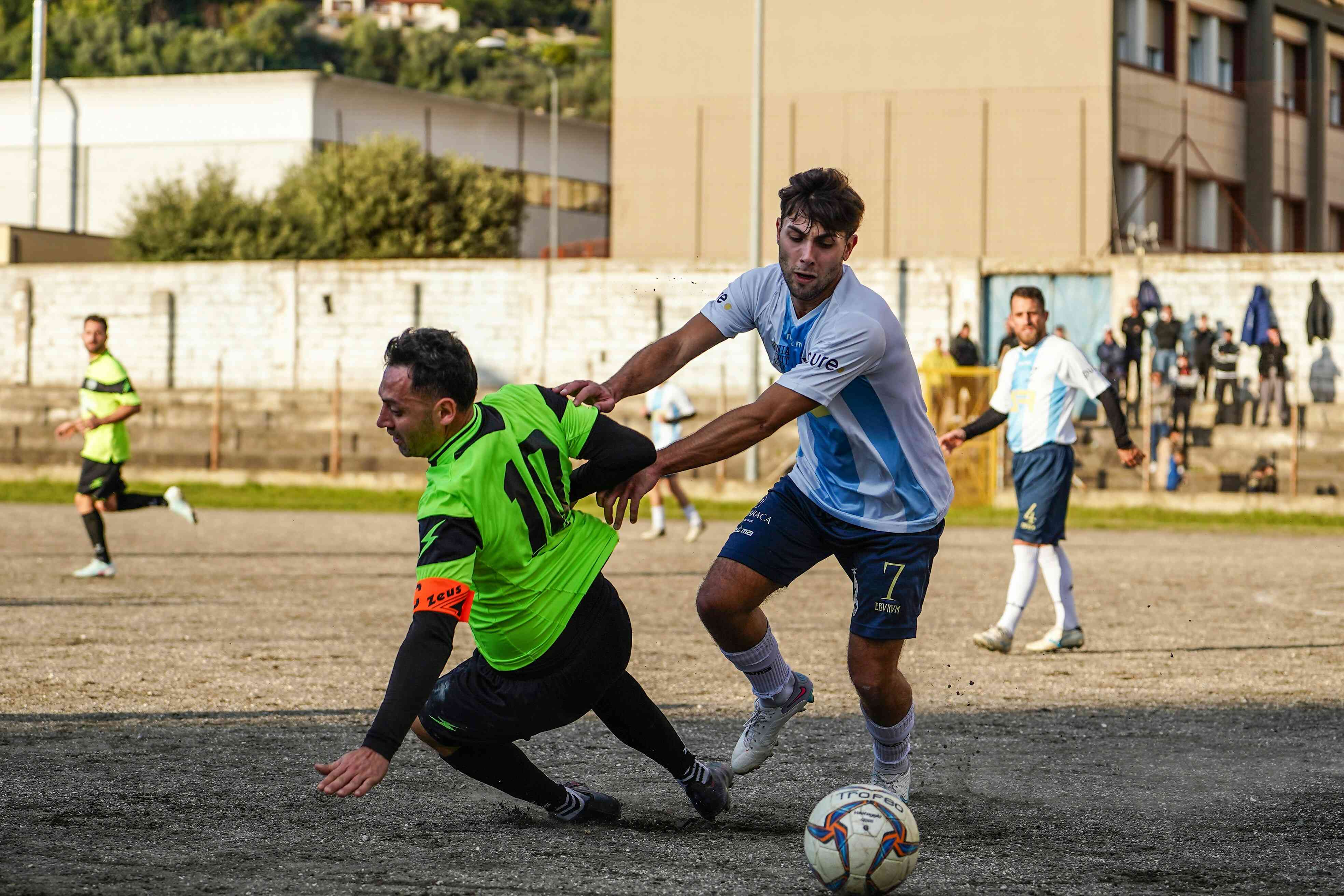

When World Cup season arrives, something electric moves through Latino communities across the United States. Flags appear in windows, televisions blare commentary in Spanish, and the streets outside taquerías and bodegas fill with passionate debate. For millions of U.S. Latinos, soccer is not just a sport — it is a living thread connecting present-day identity to deep historical roots. And woven into that identity, often in ways that go unexamined, is the profound Spanish influence on Latino culture and soccer that stretches back centuries.
A Shared Language, A Shared Game
Language is perhaps the most immediate bridge between Spain and Latino communities in the United States. The Spanish influence on football in the U.S. is impossible to ignore: the sport's terminology derives from Castilian Spanish. Words like *gol*, *portero*, *delantero*, and *afición* are not just sports vocabulary — they are cultural anchors. When Univision and Telemundo broadcast World Cup matches, commentators draw from a linguistic tradition rooted in Spain, one that resonates equally with a Mexican grandmother in Los Angeles and a Colombian teenager in Miami.

Welcome to United Tribes
Where Diverse Cultures Come Alive
Join Your Tribe
Connect with your people
Discover Events
Watch parties & festivals
Find Tribe Businesses
Restaurants, markets & more
Earn Crown Credits
Get rewarded for engaging
This shared language creates an invisible stadium. Even when national allegiances differ — supporting Mexico, Argentina, or Colombia — the words used to celebrate or mourn a goal are the same. Spain planted that linguistic seed across the Americas during colonization, and today it blossoms in American living rooms every four years.
Historical Roots of the Spain-Latin America Football Bond
Spain's football federation was founded in 1909, and the sport spread rapidly through Spanish cultural and colonial influence into Latin America throughout the early 20th century. Spanish immigrants and settlers brought tactical styles, club structures, and a passion for the beautiful game that became foundational in countries like Mexico, Uruguay, and Argentina.
The connection between Latino soccer culture and Spain is structural. Many of Latin America's earliest football clubs were founded by Spanish immigrants or modeled after Spanish institutions. This heritage was carried to the U.S. as Latino communities migrated northward, bringing their footballing traditions with them.
The World Cup as a Cultural Gathering Point
When Spain competes, a meaningful segment of the U.S. Latino population pays close attention — not necessarily cheering Spain over their own nation's team, but watching with a sense of cultural familiarity. Spain's style of play, particularly the *tiki-taka* era of the 2010s, was widely celebrated in Latino sports media as an expression of technical brilliance that mirrored values celebrated across Hispanic football cultures: creativity, teamwork, and flair over brute force.
Community watch parties — held in backyards, community centers, and culturally rooted businesses — often include Spain matches alongside those of Latin American teams. These sporting events are gatherings that embody identity, belonging, and cultural affirmation, reflecting the same entrepreneurial and community spirit highlighted in stories about Hispanic entrepreneurs reinventing Main Street USA.
How Latino Communities in the U.S. Express This Connection
The influence of Spain on Latino football culture in the U.S. shows up in several concrete ways:
- Club affiliations: Many U.S. Latinos follow Spanish clubs like Real Madrid and FC Barcelona with the same intensity as Liga MX or CONMEBOL teams. Real Madrid's global fanbase has a massive Latino component, particularly in cities like Houston, Chicago, and New York.
- Coaching philosophies: Youth soccer coaches in Latino communities often draw from Spanish tactical traditions, emphasizing possession-based play and technical skill development from an early age.
- Media consumption: Spanish-language sports programming in the U.S. covers La Liga extensively, creating familiarity with Spanish players and teams that crosses generational lines.
- Cultural celebrations: During Spain's 2010 World Cup victory, celebrations erupted in many Latino neighborhoods across the U.S. — a testament to the emotional resonance Spain holds beyond its own national borders.
Football, Identity, and the Latino Diaspora Experience
For many first and second-generation Latino Americans, football serves as a cultural lifeline. It connects them to homelands they may never have lived in, or left long ago. Spain occupies a complex but significant place in that emotional geography. As a cultural origin point for language, religion, and tradition, Spain's footballing identity does not feel entirely foreign to Latino fans — it feels ancestral.
This relationship mirrors broader dynamics of diaspora identity explored in discussions around Latino voices in American media, where representation and heritage intersect in powerful ways. Football is, in many respects, one of the most visible arenas in which Latino cultural identity is performed and celebrated in public life.
The Next Generation and the Evolving Connection
As Major League Soccer grows and the United States prepares to co-host the 2026 World Cup, Spain's influence on Latino culture in soccer will enter a new chapter. Young Latino players are increasingly visible at the professional level, and many cite both Latin American legends and Spanish stars as their inspirations.
The 2026 tournament, hosted across the U.S., Mexico, and Canada, will bring this cultural conversation to the forefront. Latino communities will not simply be spectators — they will be hosts, ambassadors, and cultural storytellers, bridging the Old World footballing heritage of Spain with the New World energy of the Americas.
Football as a Living Cultural Bridge
Spain's influence on Latino football culture in the United States is deep, layered, and very much alive. From the shared language that unites commentators and fans across national lines to the historical roots that have planted football across Latin America to the emotional resonance Spain carries during every World Cup, this connection shapes how millions of U.S. Latinos experience the sport they love most.
For Latino communities, football is identity, memory, and community woven into ninety minutes of play. Understanding the Spain-Latino football link helps illuminate the richness of Hispanic cultural life in America and how heritage continues to inspire new generations, even thousands of miles from their ancestral homelands.
Visit United Tribes today to learn more about Latino culture and community, from football traditions to the entrepreneurs, storytellers, and cultural leaders shaping Hispanic life across the United States.


