
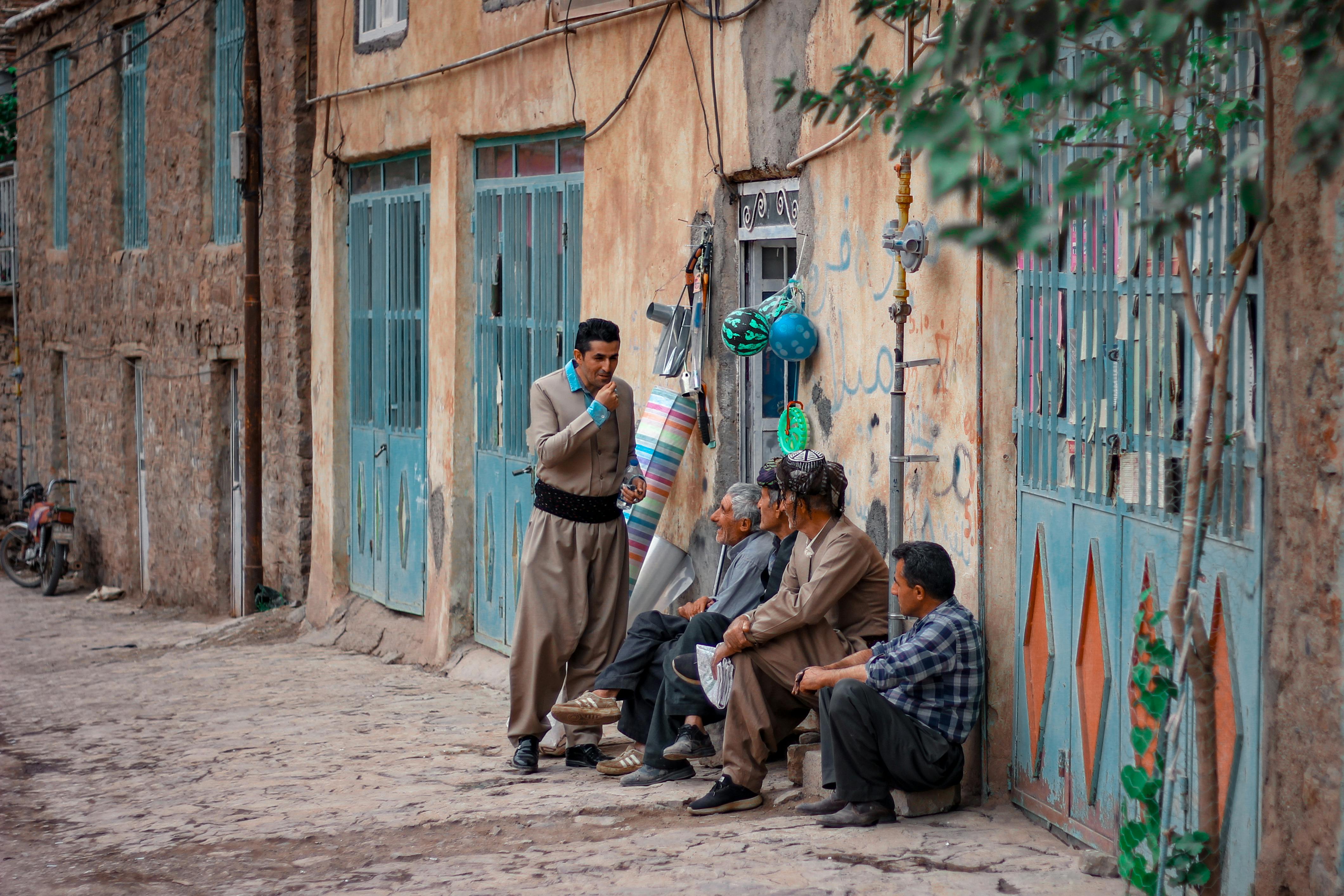

When Nowruz ends, the celebrations do not. For Persian families across the United States and around the world, the weeks and months following the Persian New Year mark not a return to routine but an extension of connection. May, in particular, carries a quiet but meaningful warmth in Persian visiting traditions, a season when the energy of spring and the bonds forged during Nowruz continue to draw families and friends together. These are not spontaneous drop-ins but deeply intentional social rounds, rooted in centuries of cultural practice and collective identity.
The Social Calendar That Outlasts the New Year
Nowruz officially spans thirteen days, culminating in Sizdah Bedar, the outdoor gathering on the thirteenth day. But the Iranian social customs tied to the new year do not simply vanish after that final picnic. In traditional Persian culture, the weeks that follow are understood as a continuation — a window in which visiting relatives, friends, and neighbors remains both expected and cherished.

Welcome to United Tribes
Where Persian Culture Comes Alive
Join Your Tribe
Connect with your people
Discover Events
Watch parties & festivals
Find Persian Businesses
Restaurants, markets & more
Earn Crown Credits
Get rewarded for engaging
This rhythm of social rounds, known informally as did-o-bazdid, is one of the most enduring expressions of Persian community life. Families rotate hosting duties, travel across cities, and make time for the kinds of long, unhurried visits that everyday life often makes difficult. The tradition reinforces relationships, reaffirms family hierarchies, and keeps cultural identity alive across generations.
Why May Carries Special Significance
As April transitions into May, the initial wave of Nowruz visits has settled, but the social momentum continues. Spring weather makes travel easier and gatherings more enjoyable. Families who could not visit during the first days of the new year — due to distance, work schedules, or the sheer volume of early-season commitments — find May to be the natural window for making those visits happen.
For the Iranian diaspora in the United States, this timing also aligns with a broader cultural recalibration. After months of winter, May gatherings become a way to re-center community bonds that may have grown quieter during the colder months. The Nowruz continuation traditions extend the new year's spirit into a season that feels culturally and emotionally aligned with renewal.
The Art of Persian Hospitality in Every Visit
No understanding of Persian gathering culture is complete without recognizing the role of hospitality. When guests arrive, the table is set with care — tea, sweets, fresh fruit, and often a full meal regardless of the hour. This is a genuine expression of warmth and respect. Understanding the layers beneath this hospitality, including the social ritual of taarof, helps explain why these visits feel so meaningful and why the customs governing them are followed with such consistency.
Hosts will insist on feeding guests who insist they are not hungry. Guests will offer to help, and their offers will be politely declined. This ceremonial exchange is a pillar of kindness in Iranian society, signaling mutual respect and affection. Every gesture communicates belonging.
What Happens During a Persian Visiting Round
A typical social round during May might unfold over several weekends, with each visit lasting anywhere from two to five hours. These are not brief check-ins. Conversation moves fluidly from family news and personal updates to storytelling, poetry, and shared memory. Elders are greeted first, always with reverence. Children are introduced, praised, and welcomed into the gathering as future carriers of the tradition.
Common elements of these visits include:
- Chai and Shirini: Tea and sweets served immediately upon arrival
- Storytelling and poetry: Often spontaneous, drawing from Persian literary tradition
- Family updates: News shared across the extended network, connecting absent members
- Gift exchanges: Small offerings of pastries, flowers, or sweets brought by guests
- Shared meals: Elaborate or simple, always generous
The language of these gatherings carries its own richness. Nuanced Farsi expressions used during visits — phrases of welcome, gratitude, and blessing — are not merely words but cultural currency that deepens the meaning of every interaction.
Keeping Tradition Alive in the Diaspora
For Persian Americans, maintaining these Persian visiting traditions across the U.S. requires intentional effort. Families may live hours apart. Younger generations navigate the tension between American scheduling norms and the open-ended, time-generous nature of Persian visits. Yet the tradition persists, adapted but not abandoned.
Community organizations, cultural centers, and platforms like United Tribes help sustain this continuity by surfacing cultural events, connecting community members, and providing context for traditions that might otherwise fade without visibility. The wisdom embedded in Persian roots travels, adapts, and finds new expression in diaspora communities across the country.
Second-generation Persian Americans often describe these spring visits as the moments when their cultural identity feels most vivid — when language, food, ritual, and relationship converge into something that no classroom or documentary can replicate.
Passing the Tradition Forward
One of the most important functions of these spring social rounds is transmission. Children who participate in did-o-bazdid absorb cultural knowledge organically. They learn how to greet elders, sit at a table with guests, and offer and receive hospitality. They hear stories, absorb language, and experience what it feels like to belong to a living tradition.
Parents who prioritize these visits are making a deliberate cultural investment — one that pays forward through generations.
Connection That Carries Through Every Season
Persian visiting traditions after Nowruz are the celebration continuing in a quieter, more intimate register. From the rituals of taarof to the generosity of a host's table, every spring visit is as much an act of cultural preservation as it is a personal connection. Iranian social customs built around gathering, hospitality, and seasonal renewal reflect a civilization that has always understood community as something actively maintained, not passively inherited.
For members of the Persian diaspora, these May gatherings are especially significant. They create continuity between generations, sustain identity across distance, and remind participants that cultural belonging is not defined by geography but by practice and intention. The social calendar that begins with Nowruz breathes and moves forward, carried by families who choose to show up for one another, even after the April festivities.
Visit United Tribes today to learn more about Persian culture and community, from cultural event listings and heritage spotlights to stories celebrating the richness of Iranian tradition across the United States.
Make United Tribes Your Preferred Source
Add United Tribes on Google to get the latest stories, cultural updates, and community events directly in your Google Search and Top Stories.


