
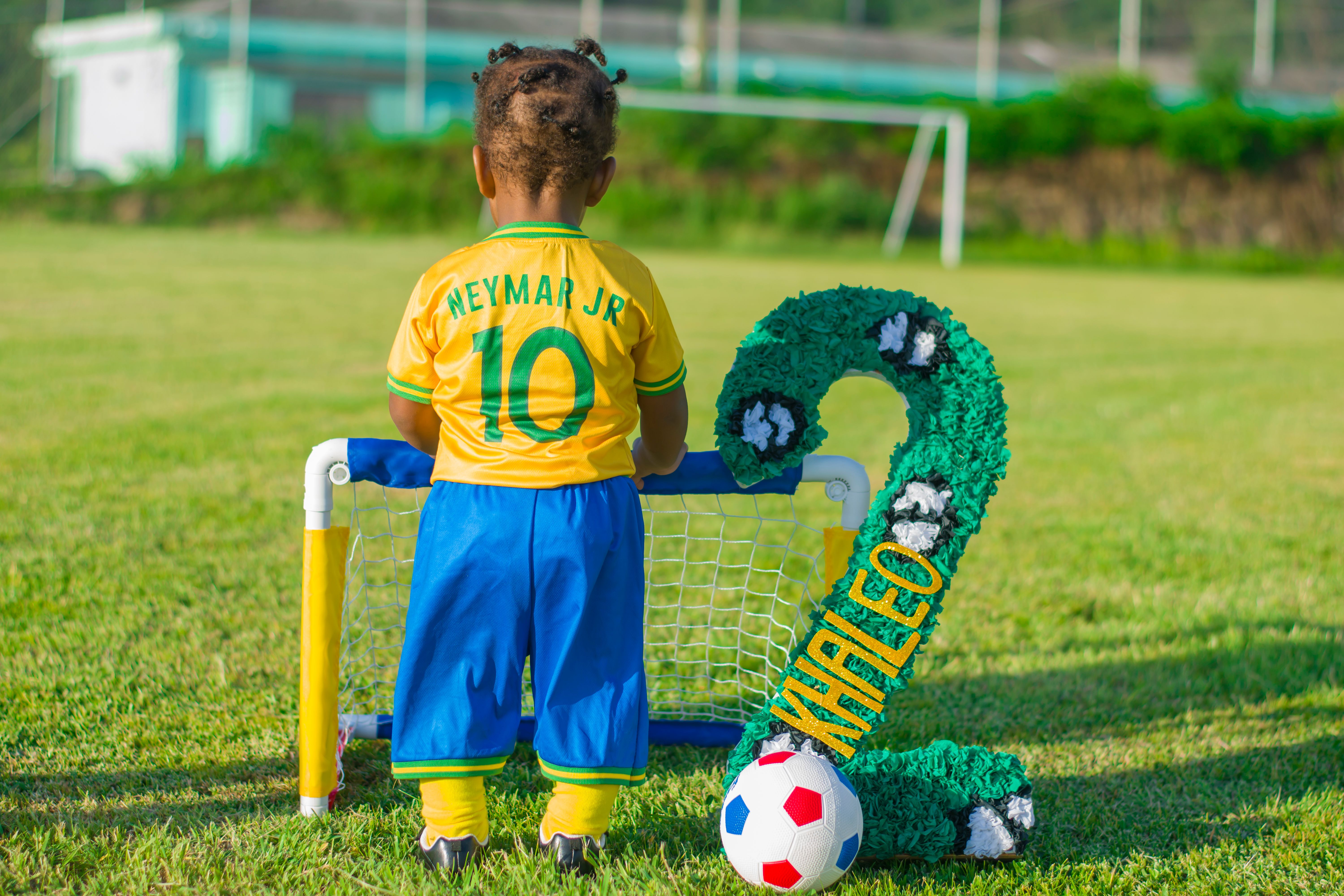

The Brazilian fan aesthetic that emerged across this tournament was a sophisticated, layered visual language built from decades of supporter culture, national pride, and an unshakeable commitment to expression. Brazilian football aesthetics have always been distinctive, but the 2026 World Cup elevated them into something closer to contemporary art.
The Color Architecture of Brazilian Fan Fashion
The iconic yellow and green never fade, but Brazilian fan fashion at FIFA 2026 moved far beyond the standard jersey. Supporters layered the national palette with intentional precision: deep forest green headwraps, chrome-yellow face paint applied in geometric rather than flag-mimicking patterns, and hand-dyed accessories that reflected regional Brazilian identities rather than a uniform national template.

Welcome to United Tribes
Where Brazilian Culture Comes Alive
Join Your Tribe
Connect with your people
Discover Events
Watch parties & festivals
Find Brazilian Businesses
Restaurants, markets & more
Earn Crown Credits
Get rewarded for engaging
Fans from São Paulo's periphery communities arrived in custom tees screen-printed with Afro-Brazilian iconography. Supporters with roots in the Northeast wore pieces influenced by woodblock-print traditions of the cordel literary culture. The Brazilian diaspora in the United States brought its own fusion: vintage Seleção jerseys styled with American streetwear silhouettes, creating a visual conversation between two homes.
Brazilian supporter culture has always understood that what you wear to the stadium is a statement, not just a uniform.
Banner Culture and Visual Choreography
The banners deployed by organized Brazilian supporter groups, known as torcidas organizadas, were some of the most visually ambitious of the entire tournament. These weren't simple flags. They were massive coordinated pieces of fabric art, designed months in advance and requiring dozens of hands to hold aloft.
One recurring visual motif drew on the imagery of Brazilian modernist painting, bold geometric abstraction referencing artists like Tarsila do Amaral, translated into stadium-scale color fields. Another set of banners featured portraits of Black Brazilian footballers rendered in a graphic-novel aesthetic, directly challenging erasure and centering representation.
World Cup fan creativity from the Brazilian sections also included tifo displays — choreographed card stunts in which thousands of fans flip colored cards in unison to form an image. The precision required rivals professional production, and in 2026, Brazilian sections executed multiple tifos per match, including one that transformed an entire upper section into a moving wave of gold.
Digital Creativity and the Fan as Content Maker
Outside the stadium, Brazilian supporters brought Brazilian football aesthetics into digital spaces with equal force. Fan-made visual content like motion graphics, illustrated match recaps, and typographic posters circulated across Instagram and TikTok at extraordinary volume, often outperforming the official tournament accounts in engagement.
Much of this content drew on Brazilian design traditions: bold typography rooted in protest poster history, color relationships borrowed from Carnival visual culture, and a willingness to be loud, irreverent, and deeply specific. Brazilian fans didn't create generic World Cup content. They created content that could only have come from their community.
Some supporter groups developed their own visual identities that functioned like brand systems: consistent color palettes, recurring characters, and signature graphic styles that appeared simultaneously across merchandise, social content, and physical signage.
Public Art and Street-Level Expression
In host cities with large Brazilian diaspora populations, the aesthetic extended well beyond the stadium footprint. Murals appeared in Brazilian neighborhoods, some organized by community groups and some spontaneous. Chalk art covered sidewalks near watch party venues. Pop-up installations transformed storefronts into visual tributes to the tournament.
This street-level expression connected directly to a longer tradition of Brazilian public art — a culture in which walls and public surfaces have historically been spaces for community voices. The Brazilian Carnival tradition shares this same instinct: the belief that celebration belongs in public space, that it is meant to be witnessed by everyone who passes through.
Brazilian supporters in American cities like Miami and Newark, and in the Ironbound district of Newark, brought that philosophy to FIFA 2026 watch events, transforming public-facing spaces into extensions of the stadium aesthetic.
The Identity Politics of the Aesthetic
It's worth naming directly: the Brazil supporter culture on display in 2026 was not monolithic. Regional identities within Brazil, Bahian, Carioca, Paulistano, and Amazonian, produced visually distinct expressions even within the shared yellow-and-green framework. And the diaspora dimension added further texture.
Brazilian Americans brought hyphenated perspectives to their visual self-expression. Some supporters incorporated American design vernacular, varsity lettering, certain graphic traditions from U.S. streetwear while keeping the Brazilian color system and iconographic references intact. The result was fan fashion that reflected lived experience rather than a simplified national identity.
This nuance is what made the Brazilian fan fashion at FIFA 2026 genuinely distinctive. It was a living, debated, multi-voiced expression of what it means to be Brazilian in Brazil, in America, and everywhere in between.
Brazil's Visual Presence Leaves a Mark
The Brazilian fan aesthetic at FIFA 2026 was a demonstration of what happens when a culture that takes visual expression seriously brings that commitment to one of the world's largest stages. From the precision of tifo choreography to the intentionality behind individual styling choices, Brazilian supporters turned every match into a curated visual event, one shaped by regional pride, diaspora identity, and a design literacy that runs deep in Brazilian cultural life.
For the Brazilian diaspora in the United States, this moment was also a form of visibility. To see the aesthetic traditions of your heritage command global attention, and to have contributed to that presence from American cities, carries real weight. It reinforces what Brazilian communities in the U.S. already know: that cultural identity doesn't diminish with distance. It evolves, hybridizes, and finds new stages.
Head to United Tribes to connect with Brazilian businesses, creators, and community voices that carry this aesthetic energy year-round — not just during the World Cup.


