
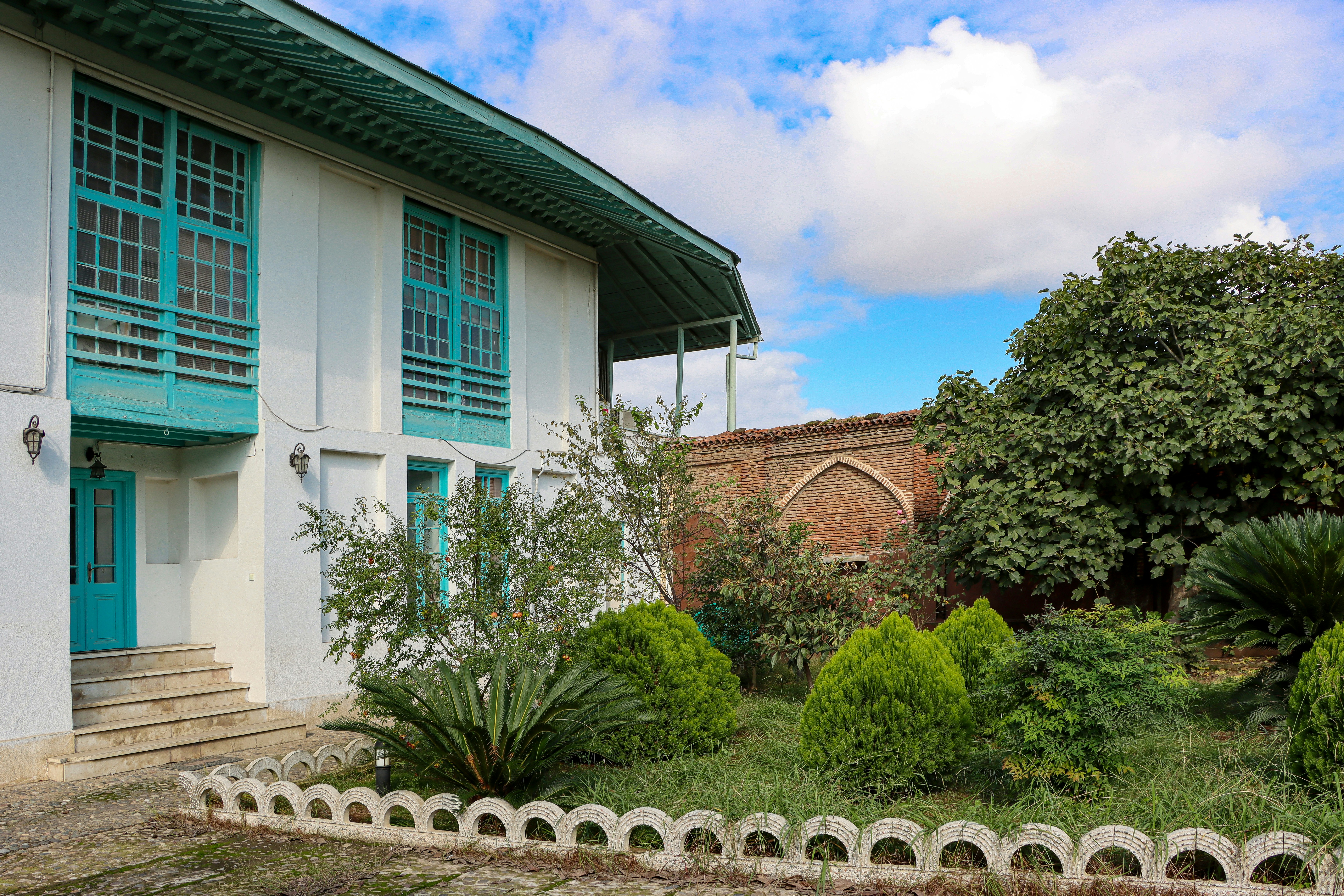

Persian gardens have captivated hearts and minds for over 2,500 years, representing one of humanity's most sophisticated approaches to landscape design. Today, these ancient Iranian traditions are experiencing a renaissance in the United States, where landscape architects, designers, and homeowners are embracing the timeless principles that define Persian garden design. From the geometric precision of water channels to the symbolic arrangement of plants, these gardens offer a perfect synthesis of natural beauty and cultural heritage that resonates deeply with modern American landscaping trends.

Welcome to United Tribes
Where Persian Culture Comes Alive
Join Your Tribe
Connect with your people
Discover Events
Watch parties & festivals
Find Persian Businesses
Restaurants, markets & more
Earn Crown Credits
Get rewarded for engaging
The influence of Persian gardens represents a profound understanding of how outdoor spaces can serve as sanctuaries for reflection, gathering, and connection with nature. As Iranian-American communities continue to flourish across the country, their rich horticultural traditions are finding new expression in residential gardens, public parks, and commercial landscapes. This cultural exchange demonstrates how Persian heritage traditions continue to enrich American society by thoughtfully integrating ancient wisdom with contemporary design needs.
The Historical Foundation of Persian Garden Design
The tradition of Persian gardens, known as "Pairidaeza" in ancient Persian, literally means "walled around" and is the etymological root of the English word "paradise." These gardens emerged from the harsh landscapes of Iran, where water scarcity and extreme climates necessitated innovative approaches to creating livable outdoor spaces. The fourfold garden, or Chahar Bagh, became the fundamental template that has influenced garden design across cultures and continents.
Persian garden design principles are built upon the intersection of practical necessity and spiritual symbolism. The quadripartite layout represents the four rivers of paradise mentioned in various religious traditions, while the central placement of water features ensures efficient irrigation throughout the garden. This systematic approach to landscape architecture demonstrates how Iranian landscaping traditions seamlessly blend functionality with profound cultural meaning.
The geometric precision characteristic of these gardens reflects Islamic mathematical principles and Persian artistic traditions. Straight pathways intersect at right angles, creating orderly sections that can be planted with different crops, flowers, or trees according to seasonal needs and aesthetic preferences.
Water Features as Central Elements
Water serves as the lifeblood of Persian garden design, both literally and metaphorically. In traditional Iranian gardens, water channels called jubs carry precious water from a central source to all corners of the garden, ensuring that every plant receives adequate irrigation. This practical system has evolved into one of the most sought-after features in contemporary American landscaping, where water elements add both beauty and functionality to outdoor spaces.
Modern interpretations of Persian water features in U.S. gardens include sophisticated fountain systems, reflecting pools, and carefully engineered channels that create the soothing sounds of flowing water. Landscape architects working on Persian-inspired landscaping often incorporate these elements as focal points that serve multiple purposes: they provide natural cooling through evaporation, create peaceful soundscapes that mask urban noise, and establish visual anchors that organize the entire garden composition.
The symbolic significance of water in Persian culture adds deeper meaning to these design choices. Water represents purity, life, and divine blessing, making these features particularly meaningful for Iranian-American families who want their landscapes to reflect their cultural values. During celebrations like Nowruz, these water features become integral parts of family gatherings and cultural observances.
Plant Selection and Symbolic Arrangements
Traditional Persian gardens feature carefully selected plants that serve both practical and symbolic purposes. Fruit trees, particularly pomegranates, figs, and citrus varieties, provide sustenance while representing abundance and fertility. Rose gardens, central to Persian poetry and culture, offer fragrance and beauty that connect garden visitors to centuries of literary tradition. These plant selections have found enthusiastic adoption in American landscapes, where homeowners appreciate both their aesthetic value and cultural significance.
Iranian landscaping principles emphasize the importance of seasonal interest and multi-functional plantings. Cypress trees, symbolic of eternity and steadfastness in Persian culture, provide vertical structure and year-round greenery. These evergreen sentinels create dramatic focal points that work exceptionally well in American gardens, particularly in Mediterranean climates like California, where many Iranian-American communities have established themselves.
The integration of edible plants within ornamental landscapes reflects Persian traditions of combining beauty with utility. Modern American interpretations of Persian garden design often include herb gardens featuring mint, basil, and other aromatic plants essential to Iranian cuisine. This approach resonates with contemporary sustainable gardening movements and allows families to maintain connections to their culinary heritage while creating beautiful outdoor spaces.
Geometric Patterns and Spatial Organization
The mathematical precision of Persian garden layouts offers compelling solutions to common American landscaping challenges. The traditional four-fold division creates distinct zones for different activities while maintaining visual coherence across the entire space. This organizational approach proves particularly valuable for modern homeowners who want to maximize the functionality of limited outdoor space.
Geometric pathways in Persian-inspired American gardens serve both practical and aesthetic functions. Straight walkways intersecting at right angles create efficient circulation patterns while establishing clear sightlines that make gardens appear larger and more organized. These design principles have been successfully adapted to various scales, from intimate residential courtyards to expansive public landscapes.
The use of geometric patterns extends beyond basic layout to include intricate tile work, decorative paving, and architectural elements that reflect Persian artistic traditions. Many Iranian-American families incorporate these details as expressions of cultural identity while creating landscapes that complement contemporary architectural styles. The resulting gardens demonstrate how traditional design principles can enhance rather than conflict with modern American aesthetics.
Modern Adaptations Across American Regions
Persian gardens must adapt ancient principles to diverse American climates and growing conditions. In the Southwest, where water conservation is paramount, Persian-inspired designs offer time-tested solutions for creating beautiful landscapes with minimal water usage. The traditional emphasis on drought-tolerant plants and efficient irrigation systems aligns perfectly with contemporary sustainability goals.
Northern climates present different challenges that require creative adaptations of Persian garden principles. Landscape designers working in these regions focus on seasonal plantings that provide maximum impact during growing seasons while incorporating evergreen elements for winter interest. The geometric structure of Persian gardens provides excellent frameworks for seasonal displays that can be modified throughout the year.
Urban environments have embraced Persian garden concepts to create peaceful retreats within busy cityscapes. Rooftop gardens inspired by Iranian landscaping principles use raised beds and container plantings to recreate the organized beauty of traditional designs. These adaptations demonstrate the remarkable flexibility of Persian garden concepts across different scales and settings.
Cultural Celebrations and Community Gathering Spaces
Persian-inspired landscapes in America serve as important venues for cultural celebrations and community gatherings. During Shabe Yalda, families gather in these gardens to celebrate the longest night of the year with traditional foods and storytelling. The garden layout naturally accommodates these gatherings, with central courtyards providing focal points for group activities while surrounding planted areas offer intimate spaces for conversation.
The principle of taarof, which emphasizes Persian hospitality and social interaction, influences how these gardens are designed and used. Seating areas are strategically placed to encourage conversation while respecting privacy, and pathways guide visitors through a sequence of experiences that reveal different aspects of the garden's beauty. These design considerations reflect a deep cultural understanding of how outdoor spaces can facilitate meaningful social connections.
Persian Gardens Shape American Landscape Future
The growing influence of Persian gardens reflects the dynamic cultural exchange that continues to enrich American communities. These ancient principles offer practical solutions to modern challenges while providing meaningful connections to Iranian heritage for diaspora families.
The integration of cultural symbolism with practical functionality creates landscapes that serve both aesthetic and spiritual needs, demonstrating how traditional knowledge systems remain relevant in modern contexts. The growing appreciation for Persian cultural values in landscape design reflects broader trends toward more thoughtful, culturally inclusive approaches to creating outdoor spaces.
Visit United Tribes today to learn more about Persian culture and community events that celebrate these rich traditions in outdoor spaces across America.


