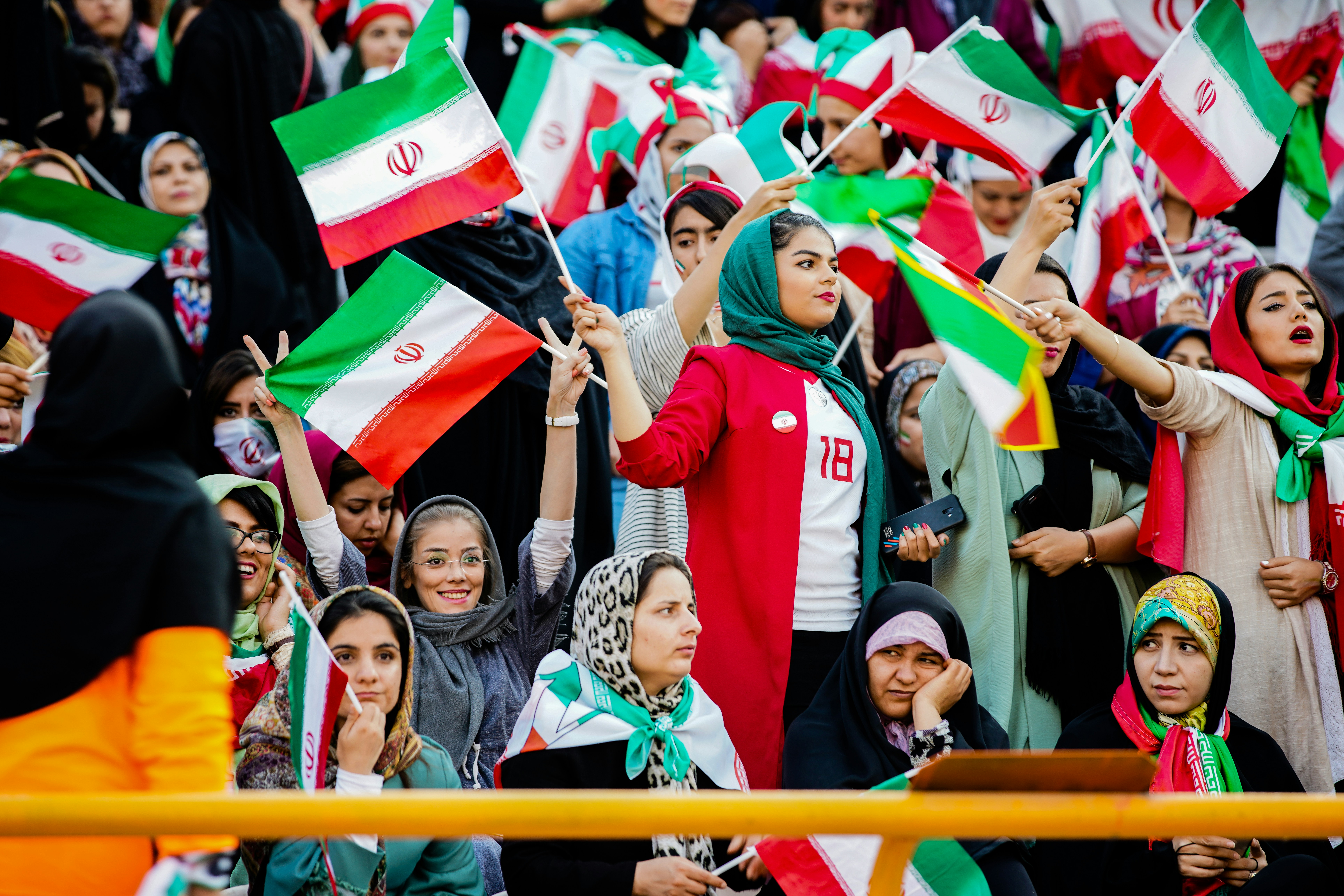

The Persian diaspora represents one of the most culturally rich and intellectually vibrant communities in the United States. For Iranian-Americans, maintaining a connection to their heritage while building new lives thousands of miles from their ancestral homeland requires a delicate balance of preservation and adaptation. Through literature, art, and deep social connections, the Persian diaspora has created a unique tapestry of belonging that bridges ancient traditions with contemporary American life.

Welcome to United Tribes
Where Persian Culture Comes Alive
Join Your Tribe
Connect with your people
Discover Events
Watch parties & festivals
Find Persian Businesses
Restaurants, markets & more
Earn Crown Credits
Get rewarded for engaging
The journey of maintaining Iranian identity while thriving in America involves more than simply celebrating holidays or cooking traditional foods. It encompasses a profound exploration of what it means to carry the essence of Persia within oneself while embracing the opportunities and challenges of life in a new country. This cultural navigation has given rise to remarkable expressions of art, literature, and community building that define the modern Iranian-American experience.
The Literary Bridge Between Two Worlds
Persian literature has always been central to Iranian culture, from the classical works of Rumi and Hafez to contemporary voices that speak to the diaspora experience. Iranian-American writers have carved out a distinctive literary space that explores themes of displacement, identity, and the complex emotions that come with living between cultures.
Authors like Azar Nafisi, Marjane Satrapi, and Dina Nayeri have brought Iranian stories to American audiences, creating bridges of understanding while validating the experiences of fellow immigrants. Their works often explore the tension between tradition and modernity, the pain of separation from homeland, and the hope found in cultural continuity.
Contemporary Persian literature in America frequently addresses the challenge of explaining Iranian culture to non-Iranian friends and colleagues while simultaneously questioning which aspects of traditional culture to maintain or adapt. These literary voices serve as cultural ambassadors, helping both Iranian-Americans and the broader American public understand the nuances of Iranian identity.
The act of writing itself becomes a form of cultural preservation. When Iranian-American authors document their experiences, they create a repository of diaspora life that future generations can reference and learn from. This literary tradition helps maintain the Persian language, preserves family stories, and validates the unique perspective of those caught between two cultures.
Artistic Expression as Cultural Preservation
Visual arts, music, and performance serve as powerful vehicles for maintaining cultural connections within the Iranian community. Persian calligraphy, miniature painting, and contemporary interpretations of traditional art forms flourish in Iranian-American communities across the country.
Persian music plays a particularly significant role in cultural preservation and community building. Traditional instruments such as the tar, santur, and ney are still played and taught in Iranian-American households and cultural centers. Musicians blend classical Persian melodies with contemporary genres, creating new forms of expression that speak to both their heritage and their American experience.
Dance performances featuring traditional Persian movements help younger generations connect with their cultural roots while providing older community members with familiar expressions of beauty and grace. These artistic endeavors often culminate in community celebrations that strengthen family bonds and introduce non-Iranian neighbors to Persian culture.
The visual arts also serve as a means of processing the diaspora experience. Iranian-American artists often incorporate symbols, colors, and motifs from Persian tradition into contemporary works that address themes of displacement, longing, and hope. Gallery exhibitions featuring Iranian-American artists serve as gathering places for the community and as educational opportunities for the broader public.
Social Connections and Community Networks
The most vital aspect of maintaining Iranian identity in America lies in cultivating strong social networks and community connections. Iranian-Americans have developed sophisticated systems of mutual support that help preserve cultural values while facilitating successful integration into American society.
Community centers and cultural organizations serve as anchors for Iranian-American life. These spaces host language classes for children, cultural workshops for adults, and social gatherings that maintain the spirit of Persian hospitality. They become places where the art of Persian hospitality can be practiced and passed down to younger generations.
Professional networks among Iranian-Americans often extend beyond career advancement to include cultural mentorship and community building. Successful Iranian-American professionals often serve as community leaders, helping newer immigrants navigate American systems while preserving their cultural values.
The concept of extended family takes on new meaning in the diaspora, as Iranian-Americans often create chosen families from their community networks. These relationships provide emotional support, cultural continuity, and practical assistance, helping individuals thrive while maintaining their connection to Persian traditions.
Celebrating Heritage Through Festivals and Traditions
Traditional celebrations become even more significant in the diaspora, serving as annual touchstones that reinforce cultural identity and community bonds. Nowruz marks the Persian New Year and represents the most important cultural celebration for Iranian-Americans.
These celebrations often require significant planning and coordination within Iranian-American communities. Families and community organizations work together to recreate the authentic atmosphere of Persian festivals while adapting them to American settings. The process of organizing these events strengthens community bonds and provides opportunities for cultural education.
Shabe Yalda, a Persian tradition, offers another opportunity for Iranian-Americans to gather and celebrate their heritage. These winter solstice celebrations often become multigenerational events where stories are shared, traditional foods are enjoyed, and cultural continuity is reinforced.
Religious and cultural observances adapted to American life help maintain spiritual connections while building community solidarity. Whether celebrating ancient Zoroastrian traditions or Islamic holidays, Iranian-Americans find ways to honor their diverse religious backgrounds while creating inclusive community celebrations.
The Philosophy of Belonging in Diaspora Life
The deeper philosophical aspects of maintaining Iranian identity in America often center around concepts of mehrbani and taarof - cultural values that emphasize kindness, respect, and social harmony.
For many Iranian-Americans, recognizing that Persian identity is unlike any other provides both comfort and challenge. This understanding acknowledges that Persian identity remains constant despite geographical displacement, while also recognizing the unique perspectives that emerge from diaspora life.
The art of belonging requires Iranian-Americans to navigate between honoring traditional values and embracing American opportunities. This balance often involves teaching children Persian customs while encouraging them to pursue American dreams, maintaining Persian social etiquette while adapting to American professional environments, and preserving family traditions while creating new diaspora customs.
Cultural adaptation becomes a creative process rather than a loss of authenticity. Iranian-Americans often discover that their bicultural perspective enriches both their Persian identity and their American experience, enabling them to make unique contributions to both cultures.
Preserving Heritage Through Creative Expression
The Persian diaspora in America has masterfully developed the art of belonging through literature, visual arts, music, and strong community networks. By maintaining cultural traditions while embracing creative adaptation, Iranian-Americans have created vibrant communities that honor their heritage while contributing meaningfully to American society. The ongoing celebration of festivals like Nowruz and Shabe Yalda, combined with contemporary artistic expression and literary achievement, ensures that Iranian identity remains strong and dynamic within the Iranian community.
This delicate balance between preservation and evolution demonstrates the resilience and creativity of diaspora communities. Through their commitment to cultural continuity and community building, Iranian-Americans have shown that belonging is not about choosing between cultures, but about creating rich, multifaceted identities that draw strength from multiple sources. Visit United Tribes today to learn more about Persian culture and community
Make United Tribes Your Preferred Source
Add United Tribes on Google to get the latest stories, cultural updates, and community events directly in your Google Search and Top Stories.