
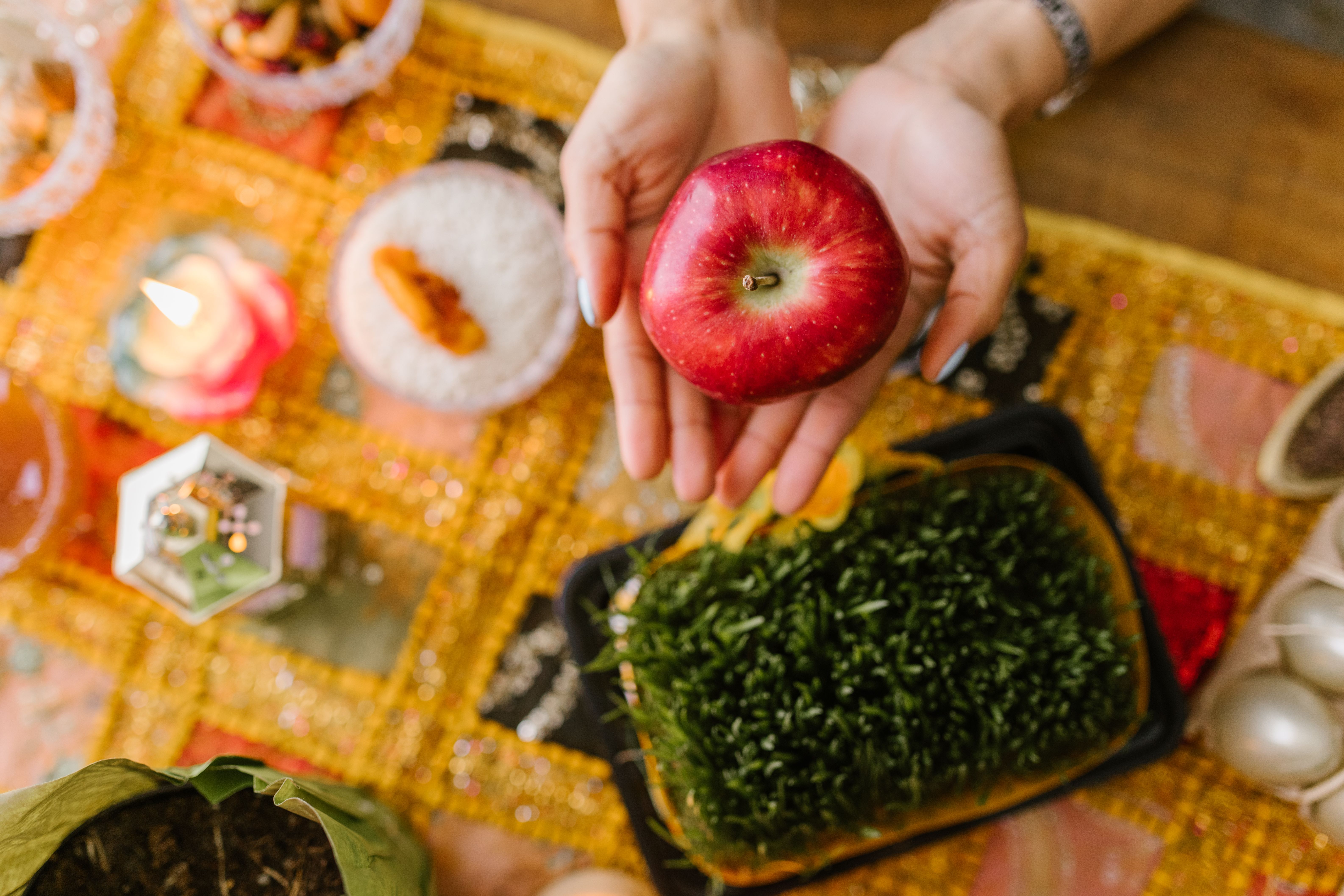

There is something quietly profound about the way a Persian host sets out a platter of fresh fruit. It is never an afterthought. The fruit is washed, arranged, and often peeled tableside with the kind of deliberate care that signals to every guest: *you are welcome here, and your comfort matters to me*. For Iranian families, both in Iran and across the Persian diaspora in the United States, summer fruit is a language of love, a gesture of Persian hospitality, and a ritual that binds generations together around a shared table.
Why Fruit Holds Such Meaning in Iranian Culture
In Iranian culture, the act of offering food, especially fresh, seasonal produce, carries deep social and spiritual weight. Hospitality is a moral value woven into the fabric of Persian identity. Guests are considered a gift, and the host's role is to honor that gift generously. Fruit, in this context, becomes one of the most natural expressions of that generosity.

Welcome to United Tribes
Where Persian Culture Comes Alive
Join Your Tribe
Connect with your people
Discover Events
Watch parties & festivals
Find Persian Businesses
Restaurants, markets & more
Earn Crown Credits
Get rewarded for engaging
Summer amplifies this tradition. When the heat rises, the abundance of the season arrives with it: heavy clusters of grapes, cool slices of watermelon, ripe figs, sweet cherries, and peaches that perfume an entire room. Persian summer traditions center heavily on this bounty, treating the season not as something to endure but as a reason to gather, slow down, and share.
The cultural roots of this practice stretch back centuries. In classical Persian poetry and literature, gardens and fruit trees appear repeatedly as symbols of paradise, pleasure, and divine generosity. To offer fruit was to offer a piece of that abundance to another human being.
Watermelon: The Crown of the Summer Table
No fruit carries more symbolic weight in Persian summer culture than watermelon. It appears at nearly every gathering, from casual afternoon visits to large family picnics. Its deep red flesh against the summer heat makes it both practical and celebratory, cooling the body while signaling festivity.
Watermelon holds a particularly beloved place in Persian tradition because of its connection to Shab-e Yalda, the winter solstice celebration, where it bridges seasons symbolically. But in summer, it needs no occasion. A host who brings out a whole watermelon, slices it fresh, and arranges it on a platter is communicating welcome without a single word. For many Iranian-Americans, the scent of cut watermelon on a hot day immediately transports them back to childhood summers in Iran or to the backyards of their parents' homes in the United States.
Grapes, Herbs, and the Art of Thoughtful Presentation
Alongside watermelon, Persian fruit spreads typically include grapes, both green and red, alongside stone fruits like plums, apricots, and peaches when in season. What distinguishes a Persian fruit arrangement from a casual bowl of fruit is the intentionality behind it. Grapes are often left in full clusters rather than broken apart. Peaches may be sliced in a specific pattern. Melons are sometimes chilled beforehand and arranged on decorative platters, or fresh herbs are added for color and fragrance.
Fresh herbs play a supporting role in summer hospitality as well. Sabzi, bundles of fresh basil, mint, tarragon, and fenugreek, often appear alongside fruit, adding an aromatic dimension that is deeply characteristic of Persian tables. This pairing reflects a broader Persian culinary philosophy: that a meal should engage all the senses, not just taste.
The attention to presentation is itself an act of love. It says that time was taken, that effort was made, and that the guest was worth both. Understanding the deeper rules of this kind of care is inseparable from understanding Persian hospitality through the lens of taarof. These intricate social customs govern generosity and reciprocity in Iranian culture.
Tea as the Constant Companion
No summer fruit gathering in a Persian home is complete without tea. Chai, brewed strong, served in small glass cups, and sweetened with a sugar cube held between the teeth, flows continuously throughout any visit. It arrives before the fruit, with the fruit, and again after. Persian tea culture is a social ritual that creates the pace and rhythm of a gathering.
The pairing of hot tea with cold, juicy fruit may seem counterintuitive, but it is one of the most distinctly Persian culinary pleasures. The contrast, bitter black tea against the sweetness of a ripe grape, the heat of the cup against the cool flesh of watermelon, mirrors the Persian appreciation for balance and sensory complexity.
Preserving the Tradition in the Iranian-American Home
For Iranian-Americans, these Persian summer traditions represent one of the most accessible and enduring ways to maintain a connection to heritage. Unlike language, which can fade across generations, or religious observance, which requires community infrastructure, the act of setting out a bowl of fresh fruit requires only intention and memory.
Many second-generation Iranian-Americans describe the fruit platter as one of their most vivid cultural memories: a grandmother's hands peeling a peach, a father carefully arranging grapes, the coolness of watermelon at a family gathering in July. These moments accumulate into identity. From within these roots, Persian wisdom flows forward, carried in small daily acts rather than grand ceremonies.
The tradition also travels easily. It requires no special equipment, no hard-to-find ingredients, and no formal occasion. Any summer afternoon, any visit from a neighbor, any family phone call that turns into an in-person drop-by, all of these become opportunities to carry the tradition forward.
Fruit, Warmth, and Persian Belonging
Fresh fruit in a Persian summer home is never just fruit. It is an invitation, a memory, a declaration of care. From the watermelon sliced at the center of the table to the grapes arranged alongside a pot of brewing tea, each element of this tradition communicates something that words in any language rarely capture as well: *you matter, and I am glad you are here*. For the Iranian-American community, these rituals carry the weight of everything left behind and everything worth preserving.
Keeping these traditions alive, in kitchens, backyards, and community spaces across the United States, is how culture survives distance and time. Whether you grew up with these customs or are encountering them for the first time, the Persian art of summer hospitality is one worth knowing, honoring, and sharing with those around you.
Connecting with the warmth of the Iranian-American community, discovering culturally rooted businesses, and celebrating the traditions that make this heritage so enduring- all of it starts at United Tribes, where you can explore the Persian tribe and the communities keeping these traditions alive in the United States.


