
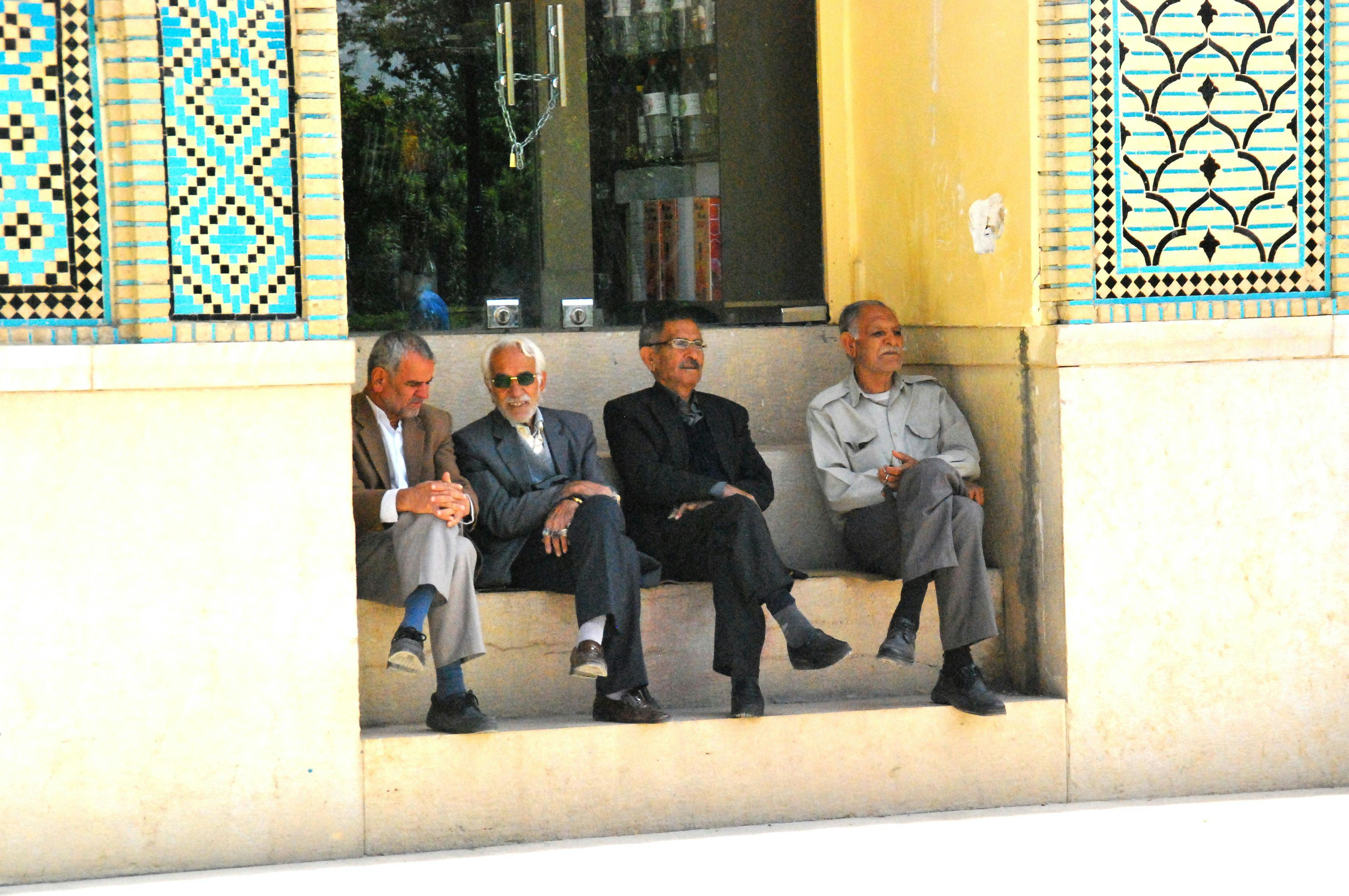

In Persian culture, a compliment carries weight, intention, and an entire social architecture built on warmth and mutual respect. Whether you're meeting someone for the first time or sitting at a longtime friend's table, the way Iranians exchange praise reveals something profound about how the culture values human connection beyond a passing remark. Understanding Persian compliments culture means stepping into a world where words are chosen carefully, and responses are shaped by centuries of poetic tradition and social grace.
The Art of the Compliment in Iranian Society
Persian speech has always been richly expressive. From classical poetry to everyday conversation, Iranians treat language as a craft. Compliments are no exception. In the Iranian communication style, praise is layered. It often goes beyond the surface to acknowledge a person's character, lineage, or inner qualities rather than just their appearance or accomplishments.

Welcome to United Tribes
Where Persian Culture Comes Alive
Join Your Tribe
Connect with your people
Discover Events
Watch parties & festivals
Find Persian Businesses
Restaurants, markets & more
Earn Crown Credits
Get rewarded for engaging
Common compliments include phrases such as "your face brings light," "you have a pure heart," or "your presence is a blessing." These are not considered flattery in the Western sense. They are sincere expressions of admiration, deeply embedded in the way Iranians connect. The cultural expectation is that kind words strengthen bonds, and withholding them can feel cold or distant.
Taarof: The Ritual Behind the Words
No discussion of Persian etiquette norms is complete without addressing taarof — the intricate system of social politeness that governs much of Iranian interaction. Taarof shapes how compliments are offered and how they must be received. You can explore this concept in depth through this guide to Persian hospitality and taarof.
Within taarof, a compliment is often accompanied by a deflection. If someone admires your outfit, the proper response is not "thank you" in a direct sense, but something closer to "it's nothing" or "it's yours" — an offering of humility that signals you don't consider yourself above others. This practice is a culturally meaningful gesture that honors the person giving the compliment by elevating them.
Giving Compliments: What to Say and When
Iranian social customs around complimenting follow certain unspoken rules. Knowing when and how to offer praise matters just as much as the words themselves.
- On appearance: Complimenting someone's eyes, skin, or overall presence is common and warmly received, especially among close friends and family.
- On hospitality: Praising the food, the home, and the host's generosity is expected and considered essential good manners.
- On character: Complimenting someone's kindness, patience, or integrity carries the deepest cultural value.
- On professional achievements: In more formal settings, acknowledging someone's expertise or success is appropriate, though it's often softened with humility.
Timing also matters. Iranians tend to offer sincere, meaningful compliments rather than casual ones. A well-placed, heartfelt compliment at the right moment reflects emotional intelligence, a quality highly valued in Persian social life.
How Iranians Receive Compliments
Receiving a compliment gracefully in Iranian culture requires a specific kind of social awareness. Direct acceptance — simply saying "thank you, I know" — can come across as arrogant. Instead, the expected response involves:
1. Expressing genuine gratitude without boasting
2. Redirecting the praise back toward the giver
3. Minimizing one's own achievement or appearance
4. Offering a counter-compliment when appropriate
This dance of humility and warmth reflects a core value: no one should rise above the collective. The individual shines brightest when they honor the group. Understanding this helps decode what can seem like excessive modesty to outsiders but is, in reality, a deeply rooted social grace.
The Language of Kindness and Warmth
Farsi is extraordinarily well-suited for expressing warmth. The language contains words and phrases that have no direct English equivalent — terms that capture nuanced emotional states and relational care. Mehrbani and taarof represent two of the most important pillars of this kindness-centered communication.
Mehrbani, meaning benevolence or loving-kindness, is often invoked when receiving a compliment. Saying *"mehraboon hastid"* (you are kind) is a gracious acknowledgment that doesn't claim the compliment directly but honors the giver's generosity of spirit.
For anyone curious to explore specific Farsi expressions used in everyday compliments and social exchanges, this collection of beautiful, nuanced Farsi expressions offers a meaningful starting point.
Compliments in the Diaspora Context
For Iranian Americans and Persian communities across the United States, navigating compliments can sometimes feel like balancing two worlds. In American culture, accepting praise directly is encouraged and considered confident. In Persian culture, the same directness might register as pride.
Many diaspora Iranians find themselves code-switching — adapting their response style depending on the context. At home or at cultural gatherings, they may lean into taarof-influenced humility. In the workplace, they might accept compliments more straightforwardly. This cultural flexibility is itself a form of social intelligence, one that reflects the richness of living between traditions. As explored in this reflection on embracing Persian wisdom and roots, honoring cultural heritage in modern life is an ongoing and rewarding journey.
Why This Matters Beyond Words
Persian compliments culture is ultimately about far more than language. It is a window into values: respect for others, humility before community, and the belief that human relationships deserve thoughtful care. Every compliment offered and gracefully received reinforces a social fabric built on dignity and warmth.
Honoring Grace in Every Persian Word
Persian compliments are small ceremonies of connection — carefully worded, thoughtfully received, and always embedded in a larger culture of respect and warmth. From the rituals of taarof to the poetic richness of Farsi, the Iranian communication style reflects a society that treats every interaction as an opportunity to honor the people around you. Understanding these customs deepens appreciation for a culture that has cultivated social grace across centuries.
For members of the Persian diaspora and curious cultural explorers alike, these traditions offer something genuinely valuable: a reminder that words have power, and how we use them shapes the communities we build. The Iranian practice of complimenting with intention and receiving with humility is a model worth learning from, regardless of your own background.
Visit United Tribes today to learn more about Persian culture and community, where heritage, connection, and cultural pride converge in a vibrant digital space.


