
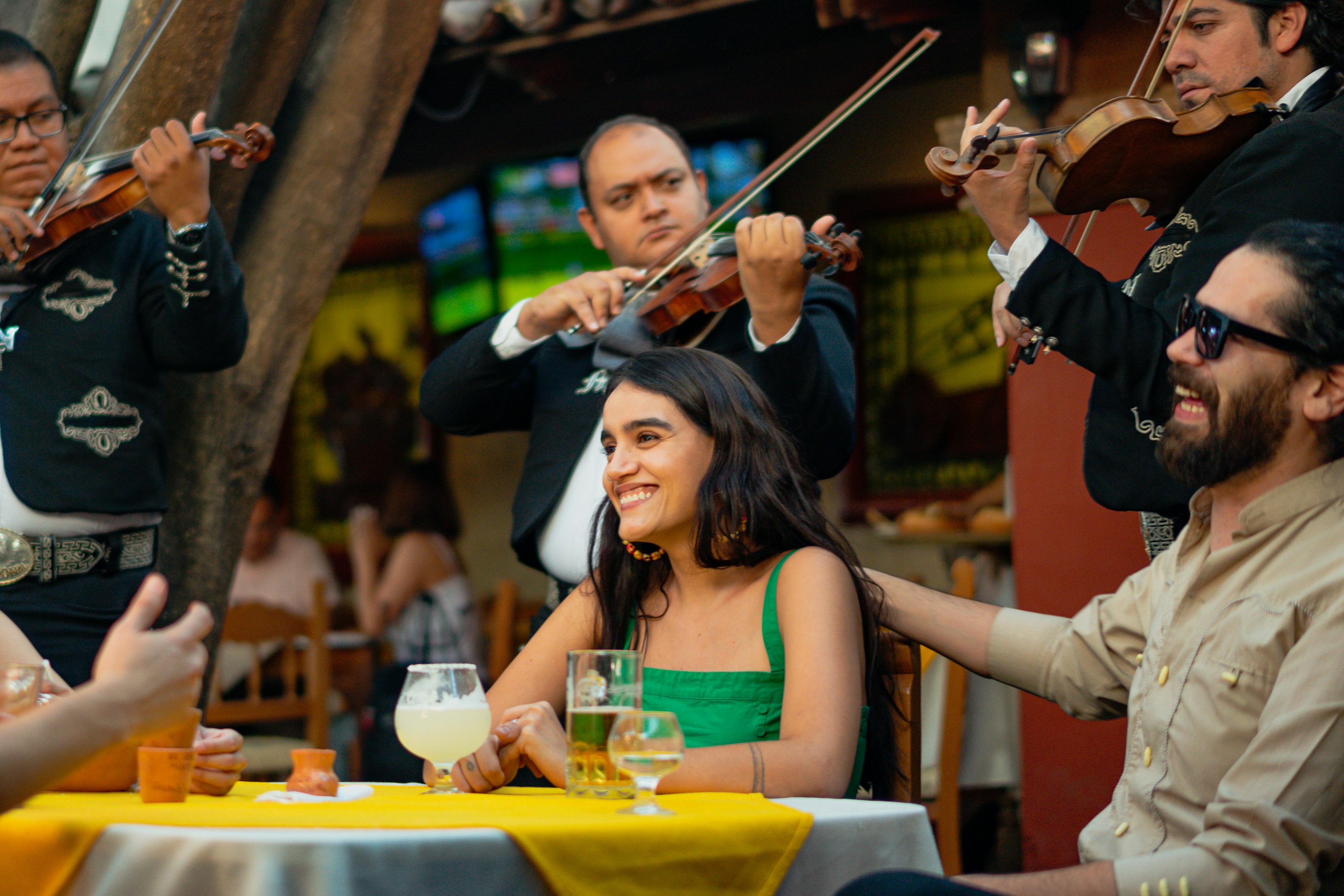


Walk into any Latino gathering, and you will immediately feel it: the overlapping voices, the animated gestures, the bursts of laughter, the dramatic pauses before a punchline lands. Latino communication styles are about building warmth, reinforcing trust, and celebrating shared humanity. For millions of Hispanic families across the United States, the way they talk is inseparable from who they are.
More Than Words: The Emotional Foundation of Latino Conversation
In many mainstream American professional settings, communication tends to prioritize brevity and emotional neutrality. Hispanic conversation norms often operate on a fundamentally different foundation, one in which emotional tone carries as much meaning as the words themselves. Expressing enthusiasm, concern, or affection openly is not seen as unprofessional or excessive but rather as a display of honesty.
This emotional expressiveness creates immediacy. When a Latino speaker leans in, raises their voice with excitement, or places a hand on your arm mid-sentence, they are signaling investment in the conversation. Personalismo, a cultural value emphasizing personal warmth and genuine human connection, drives much of this behavior. The goal is never to be understood intellectually. The goal is to be *felt*.
The Art of the Story: How Narratives Carry Culture
Perhaps nothing defines Latino storytelling culture more than the centrality of narrative in everyday speech. A simple question like "How was your weekend?" rarely yields a one-sentence answer. It opens a door to a story, complete with characters, tension, and resolution, full of cultural richness.
Storytelling in Latino communities serves multiple purposes simultaneously. It preserves memory, teaches values, entertains, and bonds listeners together. Abuela's stories about growing up in Oaxaca or Puerto Rico are living archives. Exploring Hispanic storytelling oral traditions preserved in the U.S. reveals how deeply these narrative habits are rooted in pre-colonial and Indigenous traditions that survived colonization, migration, and diaspora.
The best Latino storytellers know how to modulate pace, inject humor, and build suspense—skills passed down not through formal training but through participation. Children listen, then mimic, then master. This oral tradition is as much a form of cultural inheritance as food or music.
Interruptions as Affirmation
To an outside observer, conversations among Latino friends or family members can appear chaotic. People speak over one another, finish each other's sentences, and layer their voices into a kind of conversational chorus. However, in Hispanic social behavior, these interruptions often serve as affirmations rather than intrusions.
When someone jumps into your story with "¡Exactamente!" or adds a related detail before you've finished, they are not dismissing you. They are proving they are listening—deeply, actively, enthusiastically. This style of cooperative overlapping talk signals engagement and intimacy. It says: *I am so present in this conversation that I cannot contain myself.*
Understanding this distinction matters enormously in cross-cultural contexts. What reads as rudeness in one cultural framework reads as enthusiasm and closeness in another.
Nonverbal Language and the Unspoken Conversation
Latino communication extends far beyond spoken words. Facial expressions, touch, proximity, and gesture form a rich nonverbal vocabulary that runs parallel to speech. Eye contact signals respect and sincerity. A firm embrace at the start of a conversation establishes trust before a single word is exchanged. Raised eyebrows, a particular tilt of the head, or the infamous *la mirada*—that loaded glance exchanged between family members—can communicate entire sentences in an instant.
Physical closeness during conversation is also culturally significant. Standing near someone while speaking is not an invasion of space, but rather an expression of warmth and inclusion. These nonverbal habits connect back to la familia es todo, the family's role in Latino culture, where close-knit relationships demand and reward physical and emotional presence.
Humor, Teasing, and the Language of Trust
Choteo, relajo, and the gentle art of teasing are deeply embedded in Hispanic conversation norms. Playful mockery among friends and family—delivered with love—is a hallmark of closeness. If someone teases you in a Latino household, consider yourself trusted. The jokes would not land otherwise.
This humor also serves as a social equalizer. Poking fun at status, circumstances, or shared struggles is a way of saying: *we are in this together*. It deflates tension, builds resilience, and creates the kind of intimacy that formal conversation rarely achieves.
Language, Identity, and Code-Switching
Many Latino communicators in the U.S. move fluidly between English and Spanish—sometimes within a single sentence. This practice, often called Spanglish or code-switching, is a natural evolution of language based on circumstances. Choosing which language to use—or blending both—is an act of identity negotiation in real time.
Code-switching also reflects the bicultural reality of the Latino diaspora experience. It honors roots while navigating a new cultural landscape. Latino literature in America frequently explores this same tension, with writers using language itself as a site of cultural resistance and self-definition.
Conversation as Cultural Connection
Latino communication is a living, breathing expression of community, history, and identity. From expressive emotional tone to cooperative interruptions, from multigenerational storytelling to the fluid dance of code-switching, every conversation carries the weight and warmth of a culture that has always valued human connection above all else. These communication habits help preserve culture and sincerity across communities.
For Hispanic communities across the United States, understanding and honoring these communication patterns is part of honoring identity itself. Whether you are part of the community or discovering it for the first time, recognizing the depth behind the rhythm of a Latino conversation opens a door to genuine appreciation.
Visit United Tribes today to learn more about Latino culture and community, where stories, traditions, and voices from across the Hispanic world come together in one vibrant, connected space.


