
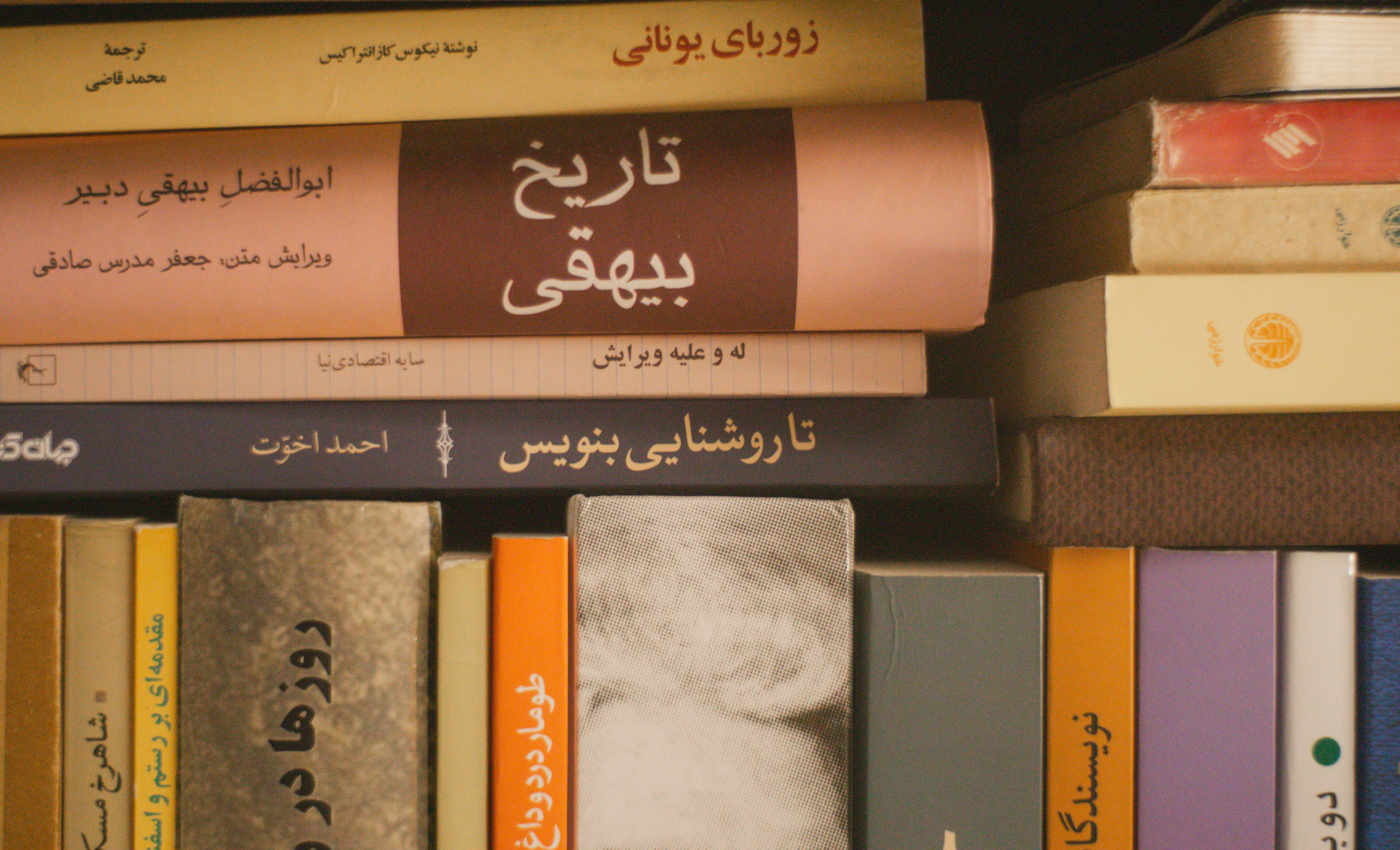

Persian poetry has woven itself into the fabric of American literature in ways that continue to surprise and inspire contemporary writers. From the mystical verses of Rumi that grace bestseller lists to the profound wisdom of Hafez echoing in modern American poetry collections, Persian poetry has become a transformative force in the nation's literary landscape. This ancient art form, with its rich tradition of spiritual inquiry and emotional depth, offers American poets and readers a unique lens through which to explore universal themes of love, loss, and transcendence.

Welcome to United Tribes
Where Persian Culture Comes Alive
Join Your Tribe
Connect with your people
Discover Events
Watch parties & festivals
Find Persian Businesses
Restaurants, markets & more
Earn Crown Credits
Get rewarded for engaging
The Historical Journey of Persian Poetry to America
Persian poetry first arrived in America through academic channels and translation work in the 19th and early 20th centuries. Scholars at major universities began introducing Persian literary works into broader Middle Eastern studies programs, laying the groundwork for what would become a significant cultural exchange. The translation of classical Persian poets like Ferdowsi, Rumi, and Hafez opened American literary circles to entirely new forms of expression and spiritual contemplation.
The Beat Generation of the 1950s and 1960s marked a pivotal moment for Persian poetry's influence in America. Writers like Allen Ginsberg and Gary Snyder drew inspiration from Persian mystical poetry, finding in it a counterpoint to Western materialism and a pathway to spiritual exploration. This period saw the first widespread American adoption of Persian poetic themes, particularly the Sufi tradition's emphasis on divine love and mystical experience.
Translations throughout the 20th century brought Persian poetry to American readers in unprecedented numbers. Translators like Coleman Barks, who worked extensively with Rumi's poetry, made Persian verse accessible to mainstream American audiences. These translations, while sometimes taking liberties with literal accuracy, captured the spiritual essence that American readers craved, establishing Persian poetry as a legitimate and influential force in American literary culture.
The Iranian Revolution of 1979 and subsequent waves of Iranian immigration to the United States created a more direct pathway for Persian literary influence. Iranian-American poets began writing in English while drawing upon their Persian heritage, creating a unique hybrid form that enriched American poetry with authentic Persian sensibilities and contemporary American expression.
Rumi's Revolutionary Impact on American Writers
Writers have found in the 13th-century Persian poet a source of profound inspiration that transcends religious and cultural boundaries. Jalal ad-Din Muhammad Rumi's poetry, with its emphasis on divine love, spiritual transformation, and the unity of all existence, resonates deeply with contemporary American themes of self-discovery and spiritual seeking. American poets across various traditions have incorporated Rumi's approach to metaphor and his fearless exploration of spiritual ecstasy.
Contemporary American poets like Jane Hirshfield, Naomi Shihab Nye, and David Whyte acknowledge Rumi's influence on their work, particularly his ability to find the sacred within everyday experience. The Persian poetry movement has embraced Rumi's technique of using simple, accessible language to convey complex spiritual truths. This approach aligns perfectly with American poetry's democratic ideals and preference for clear, direct expression.
Rumi's Influence on American Poetry Workshops and Education
Writing workshops across America now regularly incorporate Rumi's techniques and themes into their curricula. The Persian poet's emphasis on spontaneous expression and spiritual authenticity has become a cornerstone of many creative writing programs. Students learn to emulate Rumi's fearless vulnerability and his ability to transform personal spiritual experience into universal poetry that speaks to readers across cultural boundaries.
The whirling dervish tradition associated with Rumi has also influenced American performance poetry and spoken word movements. Poets incorporate movement, repetition, and trance-like states into their performances, drawing directly from the mystical practices that informed Rumi's own creative process. This fusion of Persian spiritual practice with American performance art represents a unique cultural synthesis that continues to evolve.
American literary festivals now regularly feature sessions dedicated to Persian poetry and its influence on contemporary writing. These gatherings celebrate Persian cultural identity, which continues to enrich American literary expression, demonstrating how ancient wisdom traditions remain vibrantly relevant in modern creative contexts.
Hafez and the Art of American Ghazal Writing
Hafez's poetry's influence on American literature extends far beyond simple translation or imitation. The 14th-century Persian master's sophisticated use of the ghazal form has inspired American poets to experiment with it, adapting it to English-language poetry while maintaining its essential emotional and structural integrity. American poets like Agha Shahid Ali, Adrienne Rich, and Galway Kinnell have written English-language ghazals that honor Hafez's tradition while addressing distinctly American experiences.
The ghazal's structure of independent couplets united by a common refrain appeals to American poets seeking forms that allow for both unity and fragmentation. This reflects the American experience of diversity within unity, making the Persian form particularly relevant to contemporary American poetry. Hafez's masterful use of the beloved's absence as a central theme resonates with American poets exploring themes of loss, longing, and spiritual seeking.
Contemporary American Ghazal Movements
American universities now offer courses specifically focused on the ghazal form and its Persian origins. Students learn not only the technical aspects of constructing ghazals but also the cultural and spiritual contexts that give the form its power. This educational movement has produced a new generation of American poets fluent in Persian poetic traditions and capable of creating authentic English-language ghazals.
The Persian tradition of memorizing poetry, particularly Hafez's work, has influenced American poetry communities that emphasize oral tradition and memorization. Poetry circles inspired by Persian culture often feature recitation from memory, connecting participants to the living tradition of poetry as spoken art rather than merely written text.
Persian-American Poets Shaping the Literary Landscape
The growing community of Persian-American poets represents a vital bridge between ancient Persian literary traditions and contemporary American expression. Poets like Roger Sedarat, Solmaz Sharif, and Kaveh Akbar bring authentic Persian sensibilities to American poetry while addressing the immigrant experience and the challenges of maintaining cultural identity in a new homeland. Their work enriches American literature with perspectives and techniques rooted in Persian tradition.
These poets often incorporate Persian words, concepts, and cultural references into their English-language poetry, creating a unique hybrid form that expands the boundaries of American literary expression. Their work demonstrates how Persian poetry continues to evolve through the lived experience of Iranian-Americans who navigate between cultures while maintaining a connection to their literary heritage.
Themes of Exile and Cultural Memory
Persian-American poets frequently explore themes of exile, cultural memory, and the preservation of tradition in new environments. Their work often reflects the Persian traditions of hospitality and cultural preservation that define Persian communities in America. These themes resonate with broader American experiences of immigration and cultural adaptation, making Persian-American poetry particularly relevant to diverse American audiences.
The concept of ghorbat (exile or alienation) from Persian literature provides American poets with a sophisticated vocabulary for exploring displacement and longing. This Persian literary concept offers nuanced ways of understanding the immigrant experience that go beyond simple narratives of loss or assimilation, instead embracing the complexity of maintaining multiple cultural identities.
Persian-American poets often serve as cultural translators, explaining Persian customs, holidays, and traditions through their poetry. Their work helps American readers understand Persian cultural celebrations and the deep spiritual traditions that inform Persian poetry, creating bridges of understanding between communities.
Academic Institutions and Persian Poetry Studies
American universities have increasingly recognized the importance of Persian poetry in world literature curricula. Major institutions now offer courses in Persian poetry translation, classical Persian literature, and the influence of Persian poets on world literature. These academic programs produce scholars and translators who continue to bring Persian poetry to American audiences with increasing sophistication and cultural sensitivity.
Research centers dedicated to Persian studies at universities across America conduct ongoing scholarship that deepens understanding of Persian poetry's influence on American literature. This academic foundation ensures that Persian poetry movements remain grounded in an authentic understanding of Persian literary traditions rather than superficial appropriation.
Modern Publishing and Persian Poetry in America
American publishing houses now regularly release new translations of Persian poetry and collections by Persian-American poets. This publishing trend reflects the growing American appetite for Persian poetry and recognition of its commercial and artistic value. Publishers report strong sales for Persian poetry collections, indicating that American readers have developed a genuine appreciation for this literary tradition. Literary magazines and journals across America now actively seek submissions from Persian-American poets and translations of classical Persian poetry.
Digital Platforms and Persian Poetry Dissemination
Social media and digital platforms have accelerated the spread of Persian poetry influence in America. Instagram accounts dedicated to Persian poetry attract millions of American followers, while YouTube channels featuring Persian poetry readings and discussions build communities of American readers interested in Persian literary culture. These digital platforms make Persian poetry more accessible to American audiences than ever before.
Online translation projects allow American readers to access Persian poetry with unprecedented ease and variety. Digital resources provide context, pronunciation guides, and cultural explanations that help American readers develop a deeper appreciation for Persian poetic traditions. The integration of Persian cultural values and practices into these digital presentations enriches the American understanding of Persian poetry's cultural context.
The rise of virtual poetry readings and online literary festivals over the past few years has created new opportunities for Persian-American poets to reach national audiences. These digital venues enable cultural exchange and literary appreciation that transcend geographical boundaries, further strengthening Persian poetry's position within American literary culture.
Cultural Festivals and Persian Poetry Performance
American cities with significant Persian populations now host annual poetry festivals celebrating Persian literary traditions. These events feature both classical Persian poetry recitations and contemporary Persian-American poetry, creating spaces where ancient traditions meet modern American expression. Such festivals demonstrate how Persian cultural celebrations continue to thrive in American contexts while contributing to broader American cultural life.
Performance spaces across America now regularly feature Persian poetry nights where audiences can experience the oral tradition that has always been central to Persian poetic culture. These performances often combine traditional Persian music with poetry recitation, creating immersive cultural experiences that help American audiences appreciate Persian poetry's multimedia dimensions.
Persian Poetry's Continuing American Literary Legacy
The influence of Persian poetry on modern American literature represents one of the most successful examples of cross-cultural literary exchange in contemporary America. From Rumi's mystical insights inspiring Beat Generation poets to Hafez's ghazals providing new structural possibilities for contemporary American writers, Persian poetry has become an integral part of America's diverse literary landscape. This influence extends beyond mere translation or imitation, creating authentic hybrid forms that honor Persian traditions while addressing distinctly American experiences and perspectives.
The future of Persian poetry in America looks increasingly bright, with new generations of Persian-American writers, dedicated translators, and appreciative readers ensuring its continued vitality. Visit United Tribes today to learn more about Persian culture and community, where literary traditions and contemporary expressions continue to flourish within America's rich multicultural landscape.
Make United Tribes Your Preferred Source
Add United Tribes on Google to get the latest stories, cultural updates, and community events directly in your Google Search and Top Stories.


