
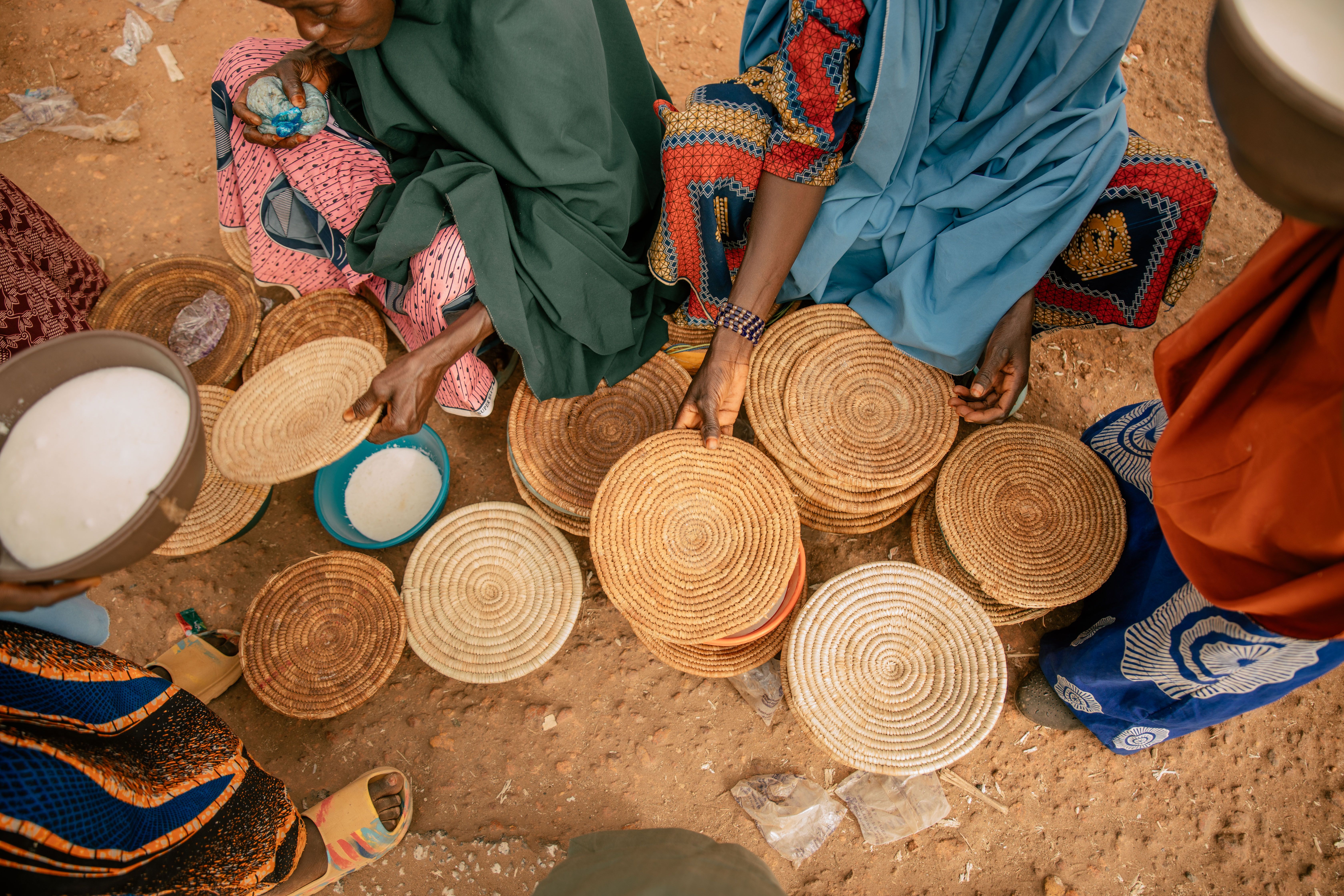

In many Somali households, serving food is an expression in itself. Before anyone takes a bite, the objects gathered around the meal—the woven basket, the fabric cover, the carefully arranged platter—have already communicated something about care, hospitality, and cultural identity. These carry aesthetic choices, craft traditions, and household values that vary by region, family, and generation.
The Role of Woven Baskets in Somali Food Presentation
The Somali food basket holds a particular place in traditional household life. Woven from natural materials such as grass, palm leaf strips, or sisal, these baskets have historically carried, presented, and sometimes covered food during communal meals. Their shapes and weaving patterns differ depending on where a family originates — whether from the coastal regions near Mogadishu, the pastoral interior, or northern areas like Somaliland.

Welcome to United Tribes
Where Somalian Culture Comes Alive
Join Your Tribe
Connect with your people
Discover Events
Watch parties & festivals
Find Somalian Businesses
Restaurants, markets & more
Earn Crown Credits
Get rewarded for engaging
In some households, a wide, flat basket lined with a cloth or banana leaf serves as the base on which canjeero — the spongy, fermented flatbread central to Somali cuisine — is arranged before a meal. Rather than individual plates, food radiates outward from this shared center, making the basket both a serving vessel and a symbol of collective eating.
The craftsmanship behind these baskets is rarely accidental. Tighter weaves suit more formal presentation, while looser, everyday baskets handle daily use without ceremony. Patterns are often passed down through families, with mothers and grandmothers teaching daughters not only how to cook but how to present food with intention.
Food Covers and the Tradition of Keeping Warmth
Alongside baskets, fabric food covers — sometimes structured, sometimes simply a cloth draped over prepared dishes — serve a practical and cultural purpose in Somali households. In warmer climates where food was prepared and then rested before being served communally, covering dishes preserved heat and protected food from dust and insects.
In diaspora households, these covers sometimes take the form of embroidered cloths or woven dome-shaped covers that reflect older craft traditions. While many families in the United States have adapted to modern kitchenware, the impulse to cover and protect prepared food before bringing it to the shared space persists — a quiet continuity carried across continents.
Communal Presentation and the Geometry of the Table
Somali table traditions are not organized around individual servings. Food is typically placed at the center — a large tray, a woven basket surface, or a communal platter — and those gathered eat together from that shared source. This arrangement reflects values around generosity, equality at the table, and the idea that eating alone carries a kind of social incompleteness.
The culture of food, hospitality, and sharing at the Somali table is built on this geometry. Where the food sits determines who is welcome, who is honored, and how the meal flows. Elders are typically served first or given the best position around the communal arrangement—a practice connected to deeper structures of Somali family culture, respect, and the role of elders that shape household life far beyond the dinner hour.
Household Craftsmanship as Aesthetic Tradition
Somali traditional crafts tied to food service sit at the intersection of utility and artistry. A basket made for everyday use might still be woven with colored strips of dyed grass, creating geometric designs that reflect regional craft traditions. These designs are choices made by craftswomen who understand that an object handled daily should also be beautiful.
In Somalia and among diaspora communities, women have historically been the primary weavers and crafters of household objects. This knowledge — which patterns carry which meanings, which weaves hold weight, which materials are available and appropriate — constitutes a form of cultural literacy.
Some Somali-American households actively work to preserve these skills, with older women teaching younger family members or community groups gathering to weave and share techniques. Cultural events and community centers in cities with larger Somali populations sometimes host craft demonstrations as part of broader heritage preservation efforts.
Regional and Household Variation
It would be inaccurate to suggest a single, uniform set of Somali household traditions around food presentation. Somalia's regional diversity — pastoral north, coastal south, agricultural interior — produces real variation in materials, basket styles, and serving customs. A family from Hargeisa may use different objects and follow different conventions than one from Kismayo or Baidoa.
In diaspora households, this variation continues. Some families maintain very traditional serving arrangements, particularly for large gatherings, weddings, or religious occasions. Others blend Somali serving customs with the realities of American kitchen life—using trays, platters, or serving bowls that approximate the communal logic of traditional arrangements even when the original materials are not available.
This flexibility reflects the ongoing negotiation every diaspora community navigates—holding onto the values embedded in tradition while adapting form to circumstance.
Why These Objects Matter
A woven basket is never only a basket. In Somali households, the objects gathered around a shared meal encode craft knowledge, communicate hospitality, and reinforce the social architecture of communal eating. Paying attention to them means paying attention to what a culture considers worth making carefully — and what it considers worth preserving.
Craft, Care, and the Shared Table
The Somali food basket and the customs surrounding it remind us that material culture is never separate from social life. The way food is carried, covered, arranged, and shared tells a story about what a community values — warmth, generosity, collective presence, and the craft knowledge of those who came before. These are not small things, and they deserve to be seen clearly.
For Somali-American families navigating life between two worlds, these household traditions offer a tangible thread back to home. Whether it is a grandmother's weaving technique, a particular way of arranging canjeero before guests arrive, or the instinct to cover a dish with care before bringing it to the table, these habits carry meaning that no amount of distance fully erases.
The craftswomen, community keepers, and cultural entrepreneurs who carry these traditions forward deserve a platform — connect with the Somali community and others like them on United Tribes to support the people preserving what matters most.
Make United Tribes Your Preferred Source
Add United Tribes on Google to get the latest stories, cultural updates, and community events directly in your Google Search and Top Stories.