
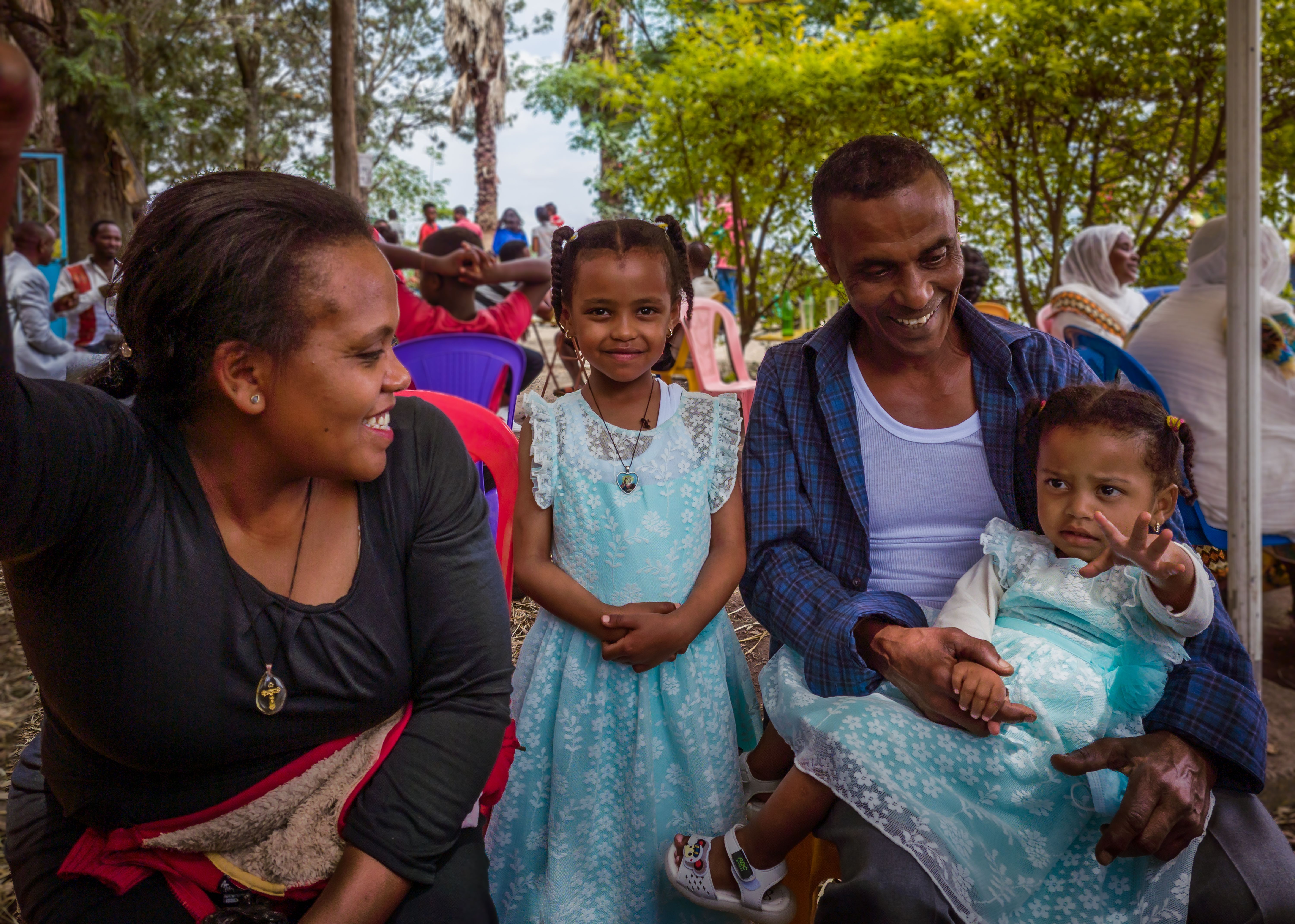

At the heart of Somali cultural values lies something that cannot be easily translated into a single English word: *guri*, meaning home, but understood as far more than four walls. For Somali families, home is a living network of relationships, obligations, and love that stretches across generations and borders. Whether in Mogadishu or Minneapolis, Somali family culture shapes how people greet one another, make decisions, raise children, and face hardship. Understanding these values offers a window into one of the most resilient and tightly bonded communities in the diaspora.
The Extended Family as the Foundation of Somali Life
In Somali traditions, the nuclear family, two parents and their children, is only one layer of a much larger structure. The extended family unit, encompassing grandparents, aunts, uncles, cousins, and even more distant relatives, functions as a collective support system that provides emotional, financial, and practical resources to its members.

Welcome to United Tribes
Where Somalian Culture Comes Alive
Join Your Tribe
Connect with your people
Discover Events
Watch parties & festivals
Find Somalian Businesses
Restaurants, markets & more
Earn Crown Credits
Get rewarded for engaging
This interconnectedness is not accidental. Somali society has historically been organized around clan structures, and within those structures, family loyalty and solidarity are considered foundational duties. If a family member faces illness, job loss, or a major life transition, the extended network mobilizes. Contributions, whether money, labor, or time, are given not out of obligation alone, but out of a deep cultural understanding that individual wellbeing is inseparable from communal wellbeing.
For Somali-American families, this value persists even when geography complicates it. Video calls replace kitchen-table conversations. Remittances flow back to relatives in Somalia or neighboring countries.
Respect for Elders: A Living Practice
Few values are more central to Somali heritage than the respect accorded to elders. This is not merely a social nicety, as it is a deeply embedded cultural principle rooted in both tradition and Islamic faith, which shapes the majority of Somali family life.
Elders in Somali culture are seen as repositories of wisdom, lived experience, and moral guidance. They are addressed with honorific titles. Younger family members stand when elders enter a room, defer to their opinions in family decisions, and prioritize their comfort and needs. The concept of dhaqan, loosely meaning cultural conduct or proper behavior, is largely defined by how one treats those older than oneself.
In practical terms, this means elderly parents or grandparents rarely live in isolation. Multi-generational households are common, and placing an elder in a care facility, the default in many Western contexts, is often seen as contrary to Somali cultural values. Caring for aging family members at home is considered both a responsibility and an honor.
Intergenerational Connections and the Transfer of Culture
One of the most vital roles elders play in Somali family culture is as cultural transmitters. Through storytelling, oral poetry (*maanso*), proverbs, and shared meals, grandparents and older relatives pass down history, values, and identity to younger generations. This oral tradition remains an active, living practice in Somali households around the world.
Platforms exploring how cultural narratives shape identity across generations reflect a truth that Somali families have long understood: stories are how communities survive displacement, preserve dignity, and teach children who they are and where they come from.
For Somali-American youth growing up between two cultures, these intergenerational connections are especially significant. A grandmother reciting a proverb, a father explaining the significance of Eid traditions, or an aunt teaching a daughter to prepare suqaar- these moments are acts of cultural preservation disguised as everyday life.
Mutual Support and the Communal Ethic
The Somali community operates on a principle of mutual aid that predates modern social services by centuries. Practices like xawilaad (money transfer networks) and community fundraising (sheeko gatherings) reflect a cultural architecture built around shared responsibility.
When a Somali family faces a wedding, funeral, medical expense, or immigration challenge, the community responds collectively. Financial contributions, shared labor, home-cooked meals, and emotional support flow naturally between households. The expectation is that support given today will be returned when needed, making these acts forms of reciprocity.
This ethic translates powerfully into the diaspora. Somali-American communities have built mosques, started businesses, funded schools, and organized around civic causes through the same networks of mutual trust. The community-building spirit that drives cultural celebrations is something Somali families carry as lived practice, not just aspiration.
Preserving Somali Family Values Across Generations in America
Raising children in the United States while honoring Somali traditions presents real challenges. American individualism can pull against the communal orientation central to Somali identity. Younger generations may feel caught between peer culture and parental expectations around family duty, gender roles, or religious practice.
Yet many Somali-American families navigate this with remarkable creativity. Weekend Somali language classes, cultural youth programs at local mosques, summer visits to relatives abroad, and intergenerational storytelling projects are among the tools families use to keep Somali cultural values alive. Resources focused on bridging generations through family traditions speak directly to this ongoing effort, honoring the past while building futures that are both authentically Somali and genuinely American.
Family, Elders, and Belonging
Somali family culture is a dynamic, living framework for how people care for one another, transmit identity, and face the world together. From the authority and wisdom granted to elders, to the expansive web of extended family ties, to the deep communal ethic that drives mutual support, these values represent something both distinctly Somali and profoundly human.
For members of the Somali community in the U.S., preserving these connections is both a personal commitment and a collective act of resistance against erasure. For those outside the community, understanding these values offers a richer appreciation of what Somali-American neighbors, colleagues, and community members carry with them every day.
Head to United Tribes to connect with multicultural communities across the U.S. and explore the stories, businesses, and traditions that make each heritage unique.
Make United Tribes Your Preferred Source
Add United Tribes on Google to get the latest stories, cultural updates, and community events directly in your Google Search and Top Stories.


