
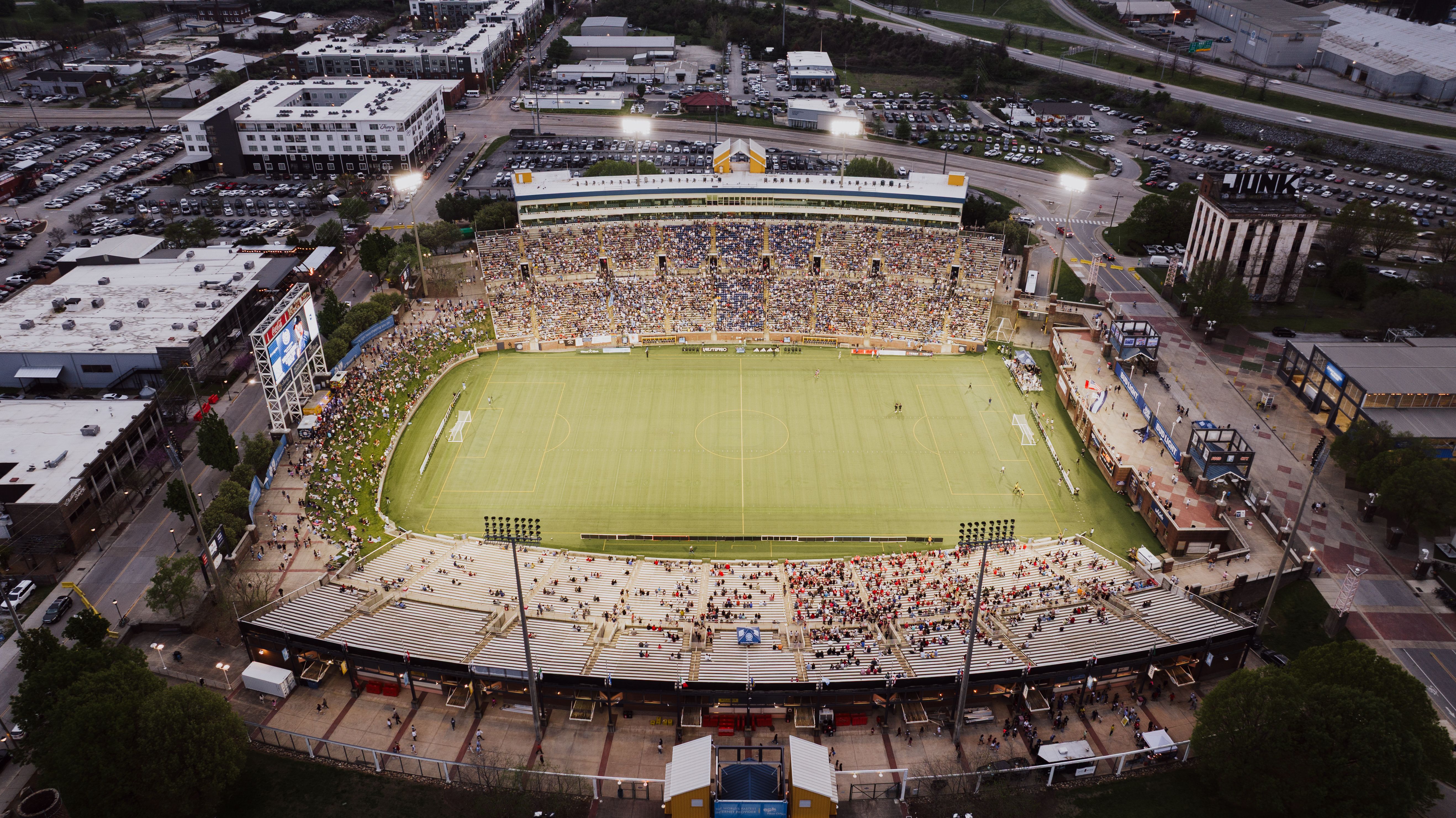

There are rare moments when a single event cuts through the noise of daily life and reminds us who we truly are. FIFA 2026 was one of those moments. Across American cities, something extraordinary unfolded, not just on the pitch, but in the streets, restaurants, community centers, and living rooms where millions of fans gathered to cheer, weep, and celebrate. The World Cup didn't just bring soccer to America. It brought America face to face with itself, and what it saw was beautifully, unmistakably multicultural.
Streets Became Stages for Cultural Pride
Every match day transformed neighborhoods into something electric. In Los Angeles, Mexican flags draped apartment balconies alongside Salvadoran and Guatemalan banners. In New York, Senegalese supporters drummed outside sports bars while Brazilian fans samba-danced on sidewalks. In Houston, Nigerian and Moroccan communities took over public squares with color, song, and an infectious sense of belonging.

Welcome to United Tribes
Where Diverse Cultures Come Alive
Join Your Tribe
Connect with your people
Discover Events
Watch parties & festivals
Find Tribe Businesses
Restaurants, markets & more
Earn Crown Credits
Get rewarded for engaging
These weren't just sports celebrations. They were cultural declarations. Communities that often exist on the margins of mainstream American visibility stepped boldly into public life. The World Cup gave them permission, or rather, a reason, to take up space and say: *we are here, and this is who we are.*
Food Was the First Language
If you followed the tournament by taste, you traveled the world. Latin cuisine shaped much of the culinary conversation, with Mexican taquerias, Colombian arepa vendors, and Argentinian parrillas seeing massive surges in foot traffic during match days. But the feast extended far beyond Latin America.
Korean BBQ spots near Atlanta watch parties. Moroccan tagine pop-ups in Chicago. Filipino restaurants in New Jersey are packed with multi-generational families watching every Philippines-adjacent match with pride. Food became the entry point for cross-cultural discovery: a first-generation immigrant sharing a dish with a neighbor who had never tasted it before, a bridge built in a single bite.
This is precisely why supporting local cultural businesses matters beyond the tournament. These restaurants and vendors are living archives of heritage, keeping traditions alive in a new land.
Multicultural Football Fans Redefined "American"
The multicultural football fans who filled American stadiums and viewing parties during FIFA 2026 challenged every narrow definition of national identity. A second-generation Ghanaian American cheering Ghana in Kansas City. A Vietnamese American family in San Jose is rooting for both their ancestral home and the U.S. simultaneously.
This is the true portrait of modern America. The World Cup made it visible in ways that everyday life sometimes obscures. Communities that share zip codes but rarely share space found themselves side by side, surprised by how much they had in common: a love of the game, a pride in heritage, a hunger to belong.
Local Businesses and Community Spaces Held It Together
Behind every memorable moment in FIFA 2026's culture recap was a small business owner who stayed open late or a community center that set up a projector. This cultural organization printed flags and cooked food for hundreds. These unsung operators of cultural infrastructure made the celebrations possible.
Community celebrations don't happen without the people who build the spaces for them. The World Cup shone a light on this invisible labor, the effort required to maintain cultural identity in a country that doesn't always make it easy. Every halal butcher, every Latin bakery, every African grocery store that stayed open for the after-match crowd was an act of community love.
The Moment Always Ends — The Community Doesn't Have To
Here is the bittersweet truth about tournaments: they end. The flags come down. The watch parties dissolve. The streets return to their ordinary rhythms. But the connections made, the pride felt, the visibility gained, as those don't have to disappear with the final whistle.
This is where intentional community infrastructure becomes essential. Festivals and cultural gatherings across the U.S. serve the same function as the World Cup, as they create recurring moments of visibility and connection. The difference is that we build them ourselves, year after year, regardless of whether the world is watching.
What America's World Cup Story Really Means
The World Cup community stories generated during this tournament deserve to be preserved and built upon. They are evidence of something that statistics alone cannot capture, that America's diversity is not a challenge to be managed, but a strength to be celebrated.
Every fan who painted their face in their nation's colors, every family that cooked a traditional meal before kickoff, every small business that decorated its storefront with flags was participating in an act of cultural affirmation. They were saying: our heritage is worth celebrating, our presence is worth acknowledging, our community is worth investing in.
Keep the Connection Alive
The World Cup gave millions of Americans a reason to wear their heritage openly, share their culture generously, and see their neighbors differently. It was a tournament, yes, but it was also a mirror. And in that mirror, America looked more vibrant, more textured, and more connected than it often gives itself credit for. The FIFA 2026 culture recap is a community story that belongs to every tribe that showed up.
Visit United Tribes today to learn more about multiculturalism and community across America, because every tribe deserves to be seen, celebrated, and connected, all year long.


