
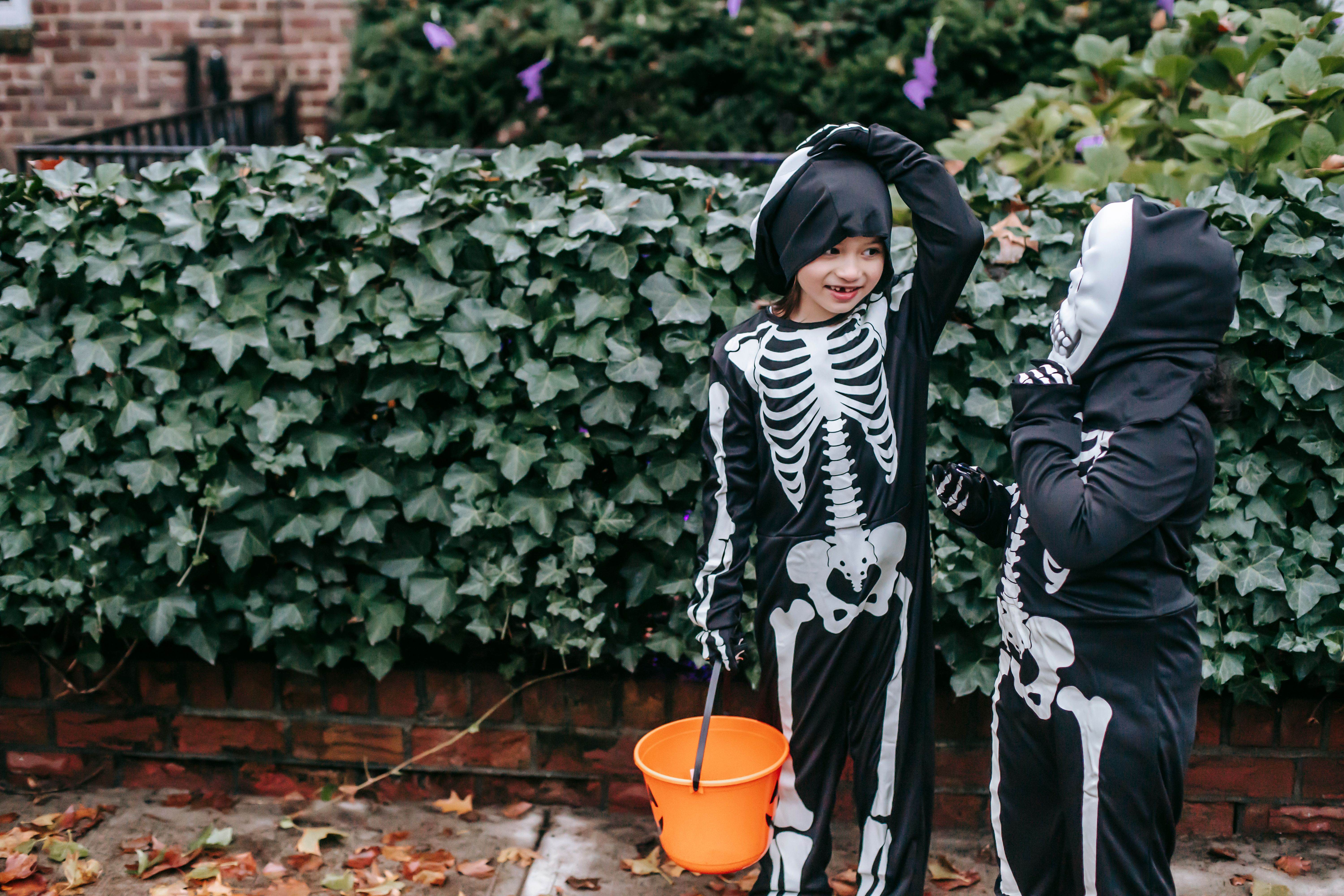

Key Takeaways
- Trunk-or-treat originated in the mid-1990s. Christian churches first organized these parking-lot candy events as safer, supervised alternatives to traditional door-to-door trick-or-treating.
- Safety is the format's biggest selling point. Controlled environments eliminate traffic dangers and the uncertainty of approaching unfamiliar homes, making Halloween more accessible for families.

Welcome to United Tribes
Where American Culture Comes Alive
Join Your Tribe
Connect with your people
Discover Events
Watch parties & festivals
Find American Businesses
Restaurants, markets & more
Earn Crown Credits
Get rewarded for engaging
- Decorated trunks are central to the experience. Vehicles are themed around movies, literature, professions, or holiday motifs, turning each car into a mini attraction for visiting children.
- The tradition spread far beyond churches. By the early 2000s, schools, community centers, shopping malls, and car dealerships had all adopted trunk-or-treat as a seasonal community event.
- Trunk-or-treat reflects Halloween's broader evolution. The format is the latest chapter in a long American story of adapting seasonal celebrations to fit modern community needs and values.
Every October, parking lots across America undergo a remarkable transformation. Minivans become haunted mansions, pickup truck beds turn into fairy-tale kingdoms, and folding tables overflow with candy. Trunk-or-treat has quietly grown from a niche church activity into one of the most recognizable American Halloween traditions of the modern era — and its rise says a great deal about how communities organize around shared seasonal joy.
How did trunk-or-treat become an American Halloween tradition?
Trunk-or-treat became an American Halloween tradition when Christian churches in the mid-1990s began hosting parking-lot candy events as a family-friendly alternative to door-to-door trick-or-treating. Organized around decorated vehicle trunks, these "fall festivals" offered a supervised, communal Halloween experience that resonated well beyond their original faith-based settings and gradually spread into mainstream community life nationwide.
The format caught on quickly because it solved real problems families were facing. Concerns about traffic safety, unfamiliar neighborhoods, and the logistics of rural trick-or-treating — where houses can be miles apart — made a centralized, walkable event genuinely appealing. What began as a church outreach tool became something much larger: a neighborhood institution.
Trunk-or-treat events in Schools and Churches
Schools and churches host trunk-or-treat events primarily because they can offer a controlled, supervised environment that addresses safety concerns many parents associate with traditional trick-or-treating. Beyond safety, these organizations see trunk-or-treat as a powerful community-building tool that draws families together around a shared, low-barrier celebration.
For faith communities especially, trunk-or-treat offered a practical way to engage families who might feel ambivalent about Halloween's spookier associations. Framed as a "fall festival," the event preserved the fun of costumes and candy while aligning with community values. Schools saw a similar opportunity: a seasonal event that strengthens bonds among students, families, and staff in a relaxed, festive setting.
The social dimension is just as important as the safety one. Parents linger and talk while children move from trunk to trunk. Neighbors who might never otherwise meet find themselves comparing costume ideas and admiring each other's decorations. That organic community connection continues to shape American traditions as families seek meaningful shared experiences.
Trunk-or-treat: A Refreshing Twist to Trick-or-treating
|
Feature |
Traditional Trick-or-Treating |
Trunk-or-Treat |
|
Location |
Residential streets |
Parking lots or open spaces |
|
Safety level |
Variable, traffic present |
Controlled, supervised |
|
Social interaction |
Neighbors at doorsteps |
Families gathered together |
|
Decoration scope |
Porches and yards |
Vehicle trunks and tailgates |
|
Accessibility |
Dependent on neighborhood density |
Centralized, walkable for all |
The key difference is concentration. Traditional trick-or-treating scatters children across streets and neighborhoods, while trunk-or-treat gathers the entire experience into one location. That shift changes the social dynamic entirely — from isolated doorstep exchanges to a communal Halloween party where the energy builds as more people arrive.
Creativity also plays out differently. Decorating a trunk is a finite, manageable canvas, which paradoxically encourages more elaborate theming. Participants design immersive displays around pop-culture moments, fairy tales, career themes, or scripture, transforming each car into a mini attraction. The result often feels closer to a Halloween carnival than a simple candy run.
Trunk-or-treat in Religious Communities
Trunk-or-treat spread beyond religious communities in the early 2000s as schools, neighborhood associations, shopping malls, and even car dealerships recognized the format's broad appeal and began hosting their own versions. National media coverage in the mid-2000s accelerated that mainstream adoption, cementing trunk-or-treat as a standard fixture in many communities' October calendars. The format's genius is its adaptability. Any organization with a parking lot and willing participants can host a trunk-or-treat. That low barrier to entry meant the concept traveled easily — from suburban megachurches to urban school yards, from rural community centers to strip mall parking lots. In sparsely populated regions where door-to-door trick-or-treating is impractical, trunk-or-treat didn't just supplement Halloween; it replaced it entirely.
This spread also talks about how local celebrations shape American community life. Trunk-or-treat didn't need a national organization or corporate sponsor to grow — it spread organically because communities found it useful, fun, and genuinely their own.
Trunk-or-treat As A Reflection of Modern Halloween in America
Trunk-or-treat reflects Halloween's evolution by representing the latest stage in a long American tradition of adapting seasonal celebrations to fit changing social conditions and community values. Door-to-door trick-or-treating itself only became widespread in the 1930s; trunk-or-treat is simply the next chapter in that ongoing reinvention.
Each era of Halloween's American history has been shaped by the anxieties and aspirations of its time. The rise of suburban neighborhoods made door-to-door trick-or-treating possible and popular. Later shifts in how Americans perceived neighborhood safety and community trust made a supervised, centralized alternative attractive. Trunk-or-treat didn't replace Halloween — it extended it, making the holiday more inclusive for families who might otherwise have sat it out.
That evolution mirrors broader patterns of how immigrant communities and multicultural traditions shape American culture — new forms emerging from real community needs rather than top-down design. Trunk-or-treat is genuinely grassroots: it exists because people wanted it to exist.
Trunk-or-treat As A Growing Communal Tradition
Trunk-or-treat endures because it does something deceptively simple: it gives communities a reason to gather. What started as a church-organized safety measure in the 1990s has become a flexible, widely adopted Halloween format that works equally well in a schoolyard, a suburban megachurch lot, or an urban community center. The decorated trunks and costumed children are the surface; the real product is the hour or two that neighbors spend in the same place, talking, laughing, and building the kind of low-stakes familiarity that holds communities together.
The tradition also shows how American seasonal celebrations stay relevant — not by staying fixed, but by bending to fit what communities actually need. Trunk-or-treat proves that a holiday tradition doesn't have to be old to feel meaningful. It just has to give people something worth showing up for, which is exactly what it delivers every October.
Head over to the United Tribes community hub to discover local events, cultural celebrations, and neighborhood gatherings happening near you this season.
Frequently Asked Questions
Is trunk-or-treat only held at churches?
No, trunk-or-treat is no longer limited to churches. Schools, community centers, shopping malls, car dealerships, and neighborhood associations all host these events. The format is flexible enough to work anywhere with a parking lot and plenty of willing participants.
What do participants typically do to decorate their trunks?
Participants decorate car trunks around themes ranging from favorite movies and fairy tales to professions, holidays, and pop-culture moments. Some trunks include interactive games or activities beyond candy, creating a more immersive experience for children who visit each vehicle.
At what age is trunk-or-treat most appropriate for children?
Trunk-or-treat is particularly well-suited for toddlers and younger children, typically ages two through ten, because the compact, supervised environment is easier for parents to manage. The walkable layout and visible adults throughout the event make it much less overwhelming than navigating busy streets after dark.
Do adults dress up at trunk-or-treat events?
Yes, many adults who host decorated trunks dress in costumes that match their vehicle's theme, which adds to the festive atmosphere and encourages interaction with visiting children. Adult participation helps make trunk-or-treat feel more like a community party than a simple candy exchange.
Is there an entry fee to attend trunk-or-treat events?
Most trunk-or-treat events are free to attend for families, as they are typically organized by community groups, schools, or churches as a public service or outreach activity. Some events may charge a small registration fee for trunk hosts to help cover organizational costs.
How can someone participate as a trunk host rather than a visitor?
To participate as a trunk host, individuals typically register in advance through the organizing school, church, or community group hosting the event. Hosts usually provide their own candy and decorations, arrive early to set up, and agree to stay for the event to greet visiting children.
Make United Tribes Your Preferred Source
Add United Tribes on Google to get the latest stories, cultural updates, and community events directly in your Google Search and Top Stories.