
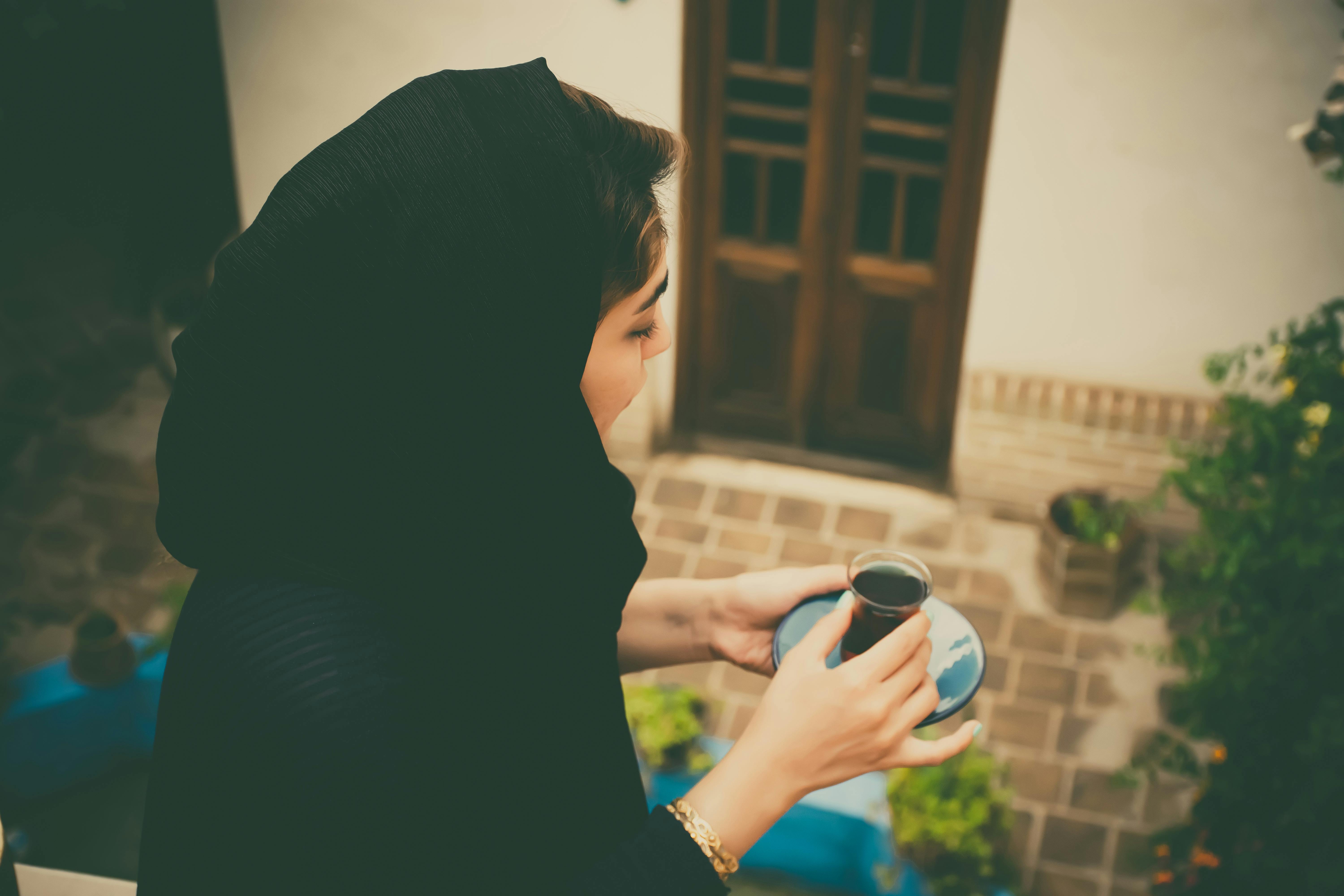

In Persian culture, hospitality goes hand in hand with a culture of courtesy, a deeply held value woven into the fabric of daily life. But while much attention is given to the host's role, being a good guest carries its own set of expectations, rituals, and responsibilities. Understanding Persian guest etiquette means stepping into a world where timing, gratitude, food, and reciprocity are taken seriously, and where the way you show up as a guest says just as much about your character as it does about your appreciation for your host.
Arriving at the Right Time
In many Western social settings, arriving early is considered polite. In Persian home culture, however, this can catch a host entirely off guard. Guests are generally expected to arrive slightly after the stated time, not excessively late, but enough to allow the host a final moment of preparation. This grace period reflects mutual respect: the host has gone to great lengths to create a perfect environment, and arriving too early can disrupt that effort.

Welcome to United Tribes
Where Persian Culture Comes Alive
Join Your Tribe
Connect with your people
Discover Events
Watch parties & festivals
Find Persian Businesses
Restaurants, markets & more
Earn Crown Credits
Get rewarded for engaging
That said, being excessively late is equally frowned upon. The ideal window communicates that you valued the invitation enough to prepare yourself appropriately, without rushing the host or arriving so late that the evening is disrupted.
The Art of the Compliment
Complimenting your host is not just encouraged in Iranian social customs—it is expected. From the decor to the food to the fragrance of the home, guests are meant to notice and verbally appreciate what has been prepared for them. These compliments are an act of acknowledgment, signaling that the host's efforts were seen and valued.
However, there is nuance here. Understanding taarof, the complex Persian system of politeness and social ritual, is essential for any guest. When a host deflects your compliment or insists their cooking "wasn't anything special," they are not fishing for more praise. They are practicing taarof. A good guest responds with warmth and sincerity, gently reasserting the compliment without turning it into an awkward exchange.
Food Etiquette at the Persian Table
In Persian culture, food is an expression of love, and the table is where this love is most visible. A good guest never refuses food outright on the first offering. Refusing can be interpreted as dissatisfaction or even disrespect. This is another area where mehrbani and taarof intertwine; a host will insist, and a guest is expected to accept graciously.
Key food etiquette rules for guests include:
- Accept the first serving and allow the host to insist before asking for more
- Praise specific dishes rather than giving generic compliments
- Never waste food—leaving large amounts uneaten can signal dissatisfaction
- Try everything offered, even unfamiliar dishes, as a sign of openness and respect
- Wait for the elders or the host to begin eating before you start
Finishing your plate is also a meaningful gesture. It tells the host their cooking was enjoyed, not just tolerated.
Respecting the Hierarchy of the Room
Iranian hospitality norms are closely tied to a sense of respect for age and status. As a guest, you are expected to greet the eldest person in the room first. Sitting in the wrong place. particularly taking a seat of honor that belongs to an elder, can be seen as presumptuous. A guest aware of these dynamics will wait to be guided to their seat rather than choose one independently.
Conversations should also reflect this hierarchy. While warmth and humor are welcome, guests should be careful not to dominate discussions or speak over elders. Listening attentively and engaging respectfully creates a positive impression that extends well beyond the dinner table.
Bringing a Gift
Arriving empty-handed at a Persian gathering is generally considered poor form. While hosts will never explicitly ask for a gift, bringing one is a quiet but powerful way of honoring the invitation. Common appropriate gifts include:
- A box of Persian sweets or pastries (shirini)
- Fresh flowers, particularly roses or tuberose
- A carefully selected bottle of something appropriate for the household
- Chocolates or fruit arrangements
The gift should be presented upon arrival, not left quietly by the door. How you offer it matters. Use both hands or your right hand, and accompany it with a warm, sincere phrase of gratitude for the invitation.
Reciprocity: The Unspoken Obligation
Perhaps the most important and least discussed aspect of Persian home culture is reciprocity. Being a good guest does not end when you leave. Persian social life operates on a cycle of mutual hosting. If someone opens their home to you, there is a cultural expectation that you will, in time, return the favor. This is not a transactional arrangement but rather a deeply rooted expression of Persian values of connection and community.
Failing to reciprocate over time can quietly damage a relationship, even if nothing is ever said directly. Good guests keep this in mind and look for opportunities to extend their own hospitality in return.
Knowing When to Leave
Overstaying a welcome is a risk in any culture, but in Persian settings it carries a particular weight. Hosts will rarely signal that it is time to go, as doing so would be considered rude. Instead, a culturally aware guest reads the room: when tea has been served for the second or third round, when the energy begins to wind down, it may be time to begin your farewells graciously.
Leaving also involves its own rituals. Expect the host to accompany you to the door, possibly to your car. This gesture is a final expression of warmth and care. Receive it as the honor it is.
Honoring the Guest Role with Grace
Being a good guest in Persian culture is about embodying the same values of warmth, respect, and generosity that define Iranian hospitality norms at their core. From the moment you arrive to the way you leave, every action communicates your appreciation for the relationship and the culture behind it. Seasonal gatherings like Nowruz and Shabe Yalda offer especially meaningful opportunities to practice these traditions alongside the community.
Visit United Tribes today to learn more about Persian culture and community, where tradition meets modern life and every gathering is a celebration of identity.
Make United Tribes Your Preferred Source
Add United Tribes on Google to get the latest stories, cultural updates, and community events directly in your Google Search and Top Stories.


