
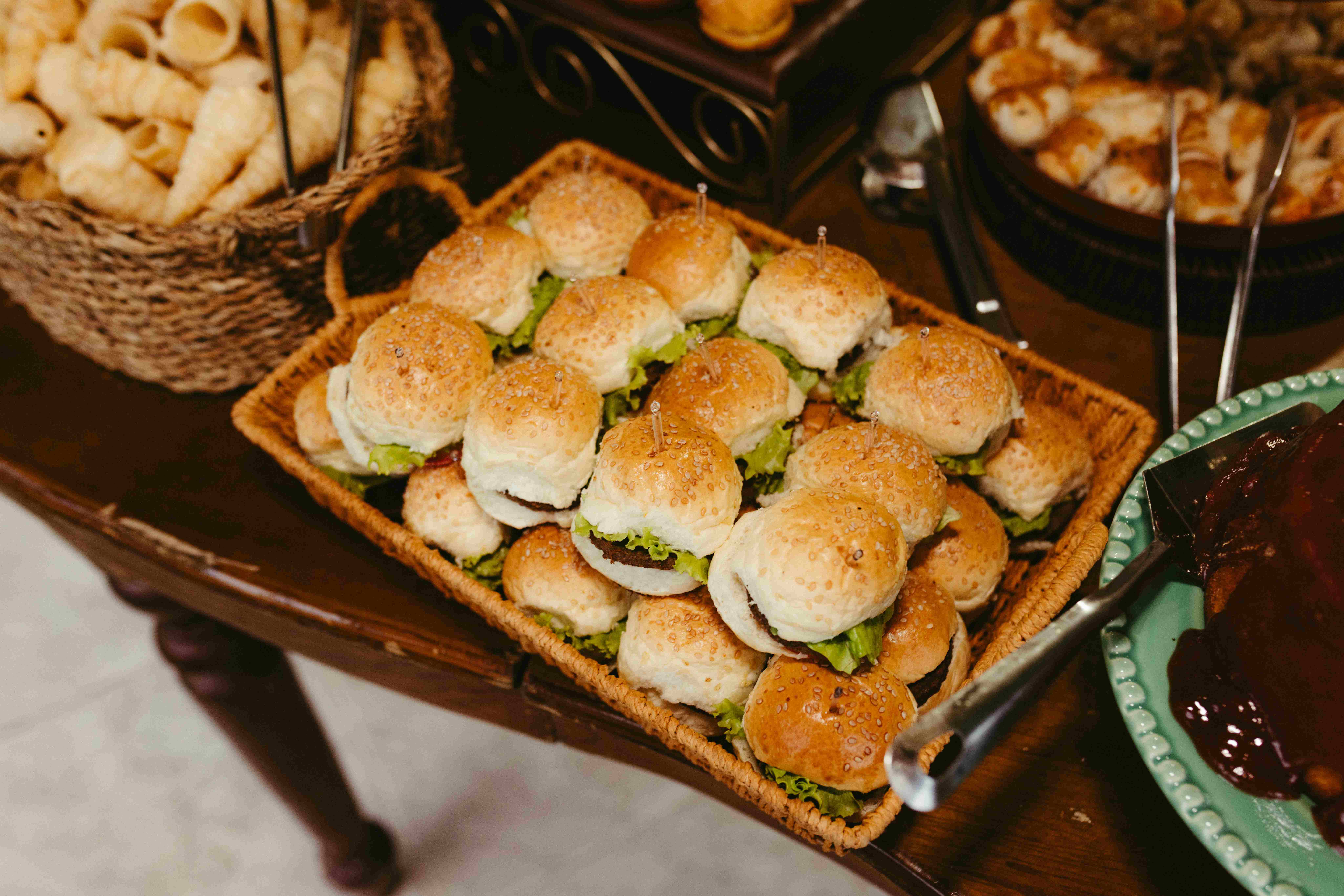

When the Whistle Blows, the Kitchen Gets Busy
There's something universally electric about the World Cup. It stops traffic, fills living rooms, and turns strangers into family for ninety minutes. But for millions of multicultural households across the United States, the game is only half the experience. The other half happens in the kitchen. World Cup food traditions are as passionate and rooted as the sport itself, and for Latino, Persian, and Indian communities, matchday spreads are a genuine expression of identity, pride, and belonging.

Welcome to United Tribes
Where Diverse Cultures Come Alive
Join Your Tribe
Connect with your people
Discover Events
Watch parties & festivals
Find Tribe Businesses
Restaurants, markets & more
Earn Crown Credits
Get rewarded for engaging
Whether it's a packed apartment in Los Angeles cheering for Mexico, a Persian household in Los Angeles or Houston following Iran's national team, or an Indian family in New Jersey glued to coverage of a FIFA favorite, what lands on the table tells its own story.
Latino Communities: Bold Flavors for Every Kick
For Latino fans, a soccer watch party is essentially a celebration with a game attached. Food is never an afterthought. From the moment guests arrive, the table is loaded with color, heat, and layers of flavor that reflect the diversity of Latin American cuisine.
Tacos are the undisputed centerpiece. Whether filled with carne asada, al pastor, or birria, they're easy to eat standing up, shouting at the screen, and sharing with a crowd. Alongside them come salsas made fresh — tomatillo, roasted chile de árbol, pico de gallo — alongside guacamole that disappears within minutes.
Ceviche is another matchday staple in coastal Latin households, particularly Peruvian and Mexican families who treat the dish as a point of cultural pride. Its acidity, freshness, and vibrant presentation make it ideal for long game afternoons.
Then there are tamales, which carry deep communal meaning far beyond the holiday season. In the Mexican diaspora, tamales mark moments worth celebrating, and a World Cup match qualifies. Families prepare them together, wrapping masa and filling in corn husks as they debate lineups and tournament predictions.
Elotes, quesadillas, and horchata round out the spread, making the Latino watch party one of the most vibrant expressions of game day food culture anywhere.
Persian Communities: Hospitality at Halftime
Persian households take hospitality seriously, and a World Cup watch party is no exception. Iranian soccer watch party food culture is deeply tied to the concept of *taarof* — a cultural value of generosity and gracious hosting. Guests should never feel unfed, and the table reflects that.
Kebabs are the signature dish and are rightfully famous. Koobideh, made from seasoned ground lamb or beef, and joojeh, a saffron-marinated chicken kebab, are the most common matchday proteins. They're often grilled ahead of time and served with flatbread, grilled tomatoes, and sumac-dusted rice.
Speaking of rice, Persian rice is its own category of devotion. Chelow with tahdig, the golden crispy crust that forms at the bottom of the pot, is a source of enormous pride. Guests compete for the crunchiest piece. For those curious about the depth of Iranian cuisine, regional dishes go far beyond the kebab, revealing stews, herb frittatas, and pomegranate-based sauces that tell the story of a vast and ancient food culture.
Snacking between halves means fresh herbs (*sabzi khordan*), feta, walnuts, and flatbread laid out casually on the table. Doogh, a salty yogurt drink, keeps things cool. Dried fruits, pistachios, and sweets like *zoolbia* and *bamieh* appear later in the evening, turning a watch party into something closer to a feast.
Indian Communities: Spice, Chai, and Cheers
India may not always field a World Cup team, but Indian communities across the U.S. are deeply engaged fans of the global game. Many support Brazilian, Argentinian, or European clubs with a loyalty that rivals that of local supporters. And when the game is on, Indian game day food is an explosion of spice and texture.
Samosas are the go-to matchday snack — crispy, stuffed with spiced potatoes or meat, and served with mint chutney and tamarind sauce. The chutney component is not a small detail. Chutneys and pickles are the backbone of Indian snacking culture, transforming even simple bites into layered, complex flavor experiences.
Pakoras — battered and fried vegetables or chicken — are another matchday essential, especially when games fall on rainy evenings. Chai flows continuously, brewed strong with cardamom and ginger, refilled without being asked. For longer matches or big tournament games, families might prepare biryani, a fragrant rice dish cooked with meat or vegetables, that feeds a crowd and satisfies deeply.
Regional variation matters in Indian soccer watch-party food culture, too. South Indian households might bring out dosas and sambar. Punjabi families lean toward tandoori-spiced dishes and lassi. The diversity within the Indian culinary tradition means no two watch parties look exactly alike, which is part of what makes them so rich.
Food, Football, and Cultural Pride
The World Cup does something rare — it creates a shared global moment in which cultural identity doesn't disappear but intensifies. For Latino, Persian, and Indian communities, matchday food traditions are a living expression of heritage, passed down through generations and adapted to life in the United States. The dishes on the table carry memory, meaning, and an unmistakable sense of pride that no scoreline can diminish.
From tacos and tamales to saffron kebabs and samosas, these international game day food cultures remind us that the beautiful game tastes different everywhere, and that's exactly what makes it beautiful. Food connects fans not just to their teams, but to each other and to the communities that raised them.
Visit United Tribes today to learn more about Latino, Persian, and Indian culture and community — from the dishes that define matchdays to the businesses, events, and stories that keep these traditions alive year-round.


