
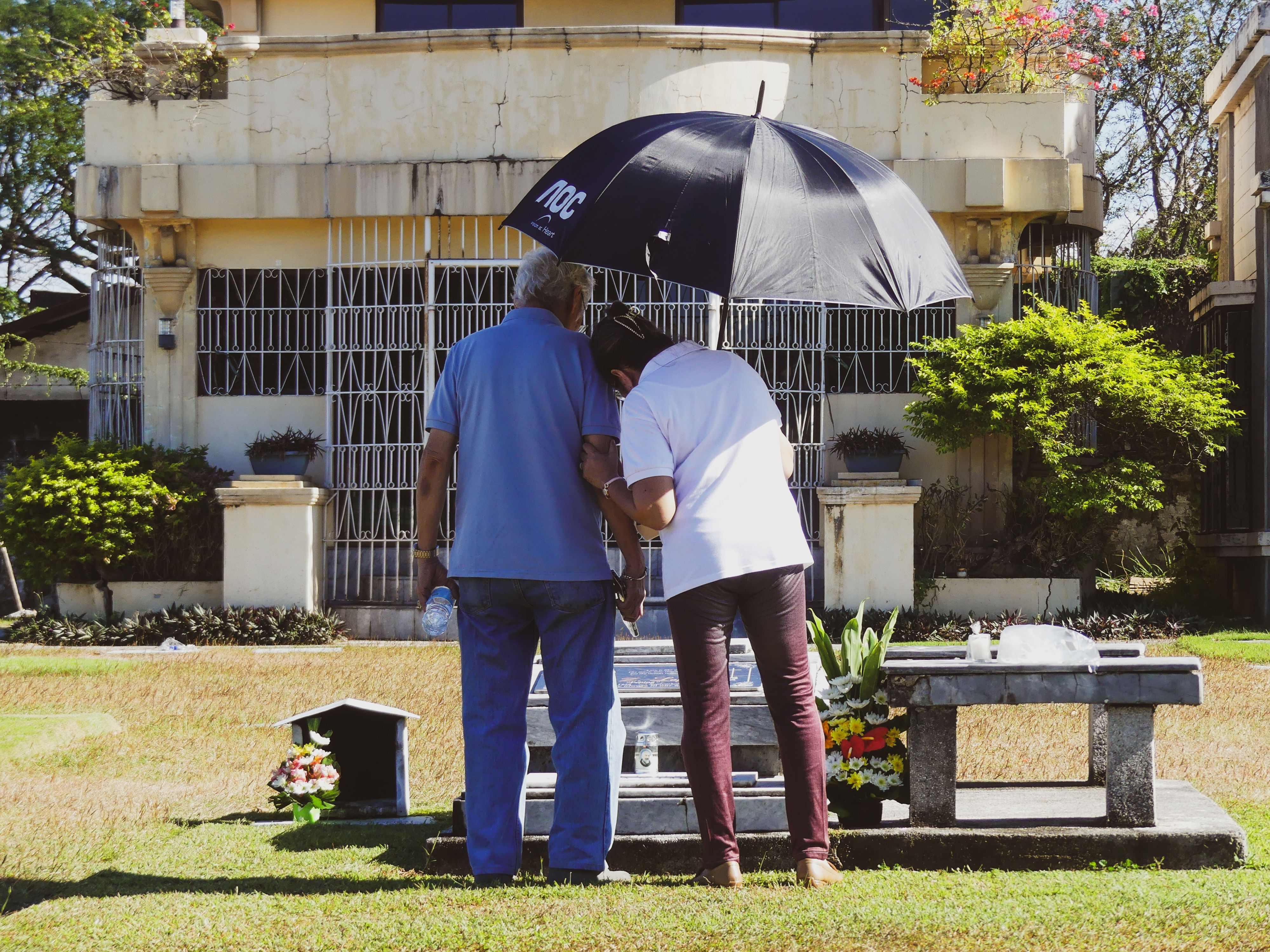

For millions of Filipino families, the days leading up to November 1 are busy, purposeful, and deeply communal. Long before candles are lit and prayers are offered at gravesites, an entire season of preparation unfolds. This period, centered around Undas (the Filipino observance of All Saints' Day and All Souls' Day), involves weeks of coordinating schedules, scrubbing tombstones, and traveling hundreds of miles to be near those who have passed. Understanding why Filipino families visit cemeteries before November 1 means looking at everything that happens in October — the labor, the love, and the cultural weight behind each small act of remembrance.
The Weeks Before Undas Begin Early
Filipino remembrance traditions do not simply arrive on November 1. By mid-October, group chats are already buzzing with logistics. Families coordinate who will handle the cleaning, who will bring food, and who needs to travel from another province — or another country. For Filipino-Americans, this coordination often happens across time zones, with relatives in the Philippines kept informed of who might fly home for the occasion.

Welcome to United Tribes
Where Filipino Culture Comes Alive
Join Your Tribe
Connect with your people
Discover Events
Watch parties & festivals
Find Filipino Businesses
Restaurants, markets & more
Earn Crown Credits
Get rewarded for engaging
The early weeks serve as a planning phase. Older relatives often take the lead, identifying which graves need the most attention and organizing what materials to bring: paint, brushes, cleaning supplies, cement filler for cracks, and fresh flowers. This preparation reflects the deep respect embedded in Filipino cemetery traditions—a grave left unattended before Undas is seen as a failure of family duty.
Cleaning and Repainting the Graves
One of the most visible forms of preparation is physically restoring tombs. In the Philippines, many graves are above-ground concrete structures that require regular upkeep. By the last two weeks of October, families arrive at cemeteries with brooms, scrub brushes, and buckets of water. They sweep away fallen leaves and debris, scrub algae and mildew from marble or concrete surfaces, and repaint faded lettering so names and dates are legible again.
Some families repaint entire tomb structures — refreshing the white or colored surfaces with new coats of paint. Groups of cousins, aunts, and grandparents often work side by side, each person taking on a task. This communal labor reflects the same spirit of bayanihan — collective effort and mutual support — that defines so many aspects of Filipino community life. You can read more about how bayanihan shapes Filipino-American communities and why it continues to thrive beyond the Philippines.
Arranging Flowers and Decorating Graves
Once the cleaning is done, families turn to decoration. Chrysanthemums are the flower most associated with Undas in the Philippines — their availability in October and their cultural association with mourning make them the default choice. White, yellow, and orange varieties are popular, arranged in vases or tied directly to grave structures.
Beyond flowers, some families add candles, small framed photos of the deceased, rosary beads, and personal mementos. Children are often brought along to help place flowers, making decoration a multigenerational activity. These visual offerings signal to other visitors that the grave is tended, the person is remembered, and the family has returned.
Preparing Food for the Vigil
Food is inseparable from Filipino culture, including in death. Families prepare dishes that were favorites of the deceased, not just for offerings but for the extended gathering that Undas facilitates. Preparing these dishes often begins days before November 1, with home kitchens producing large quantities of rice, adobo, pancit, and kakanin (native rice cakes).
Some families bring entire meals to the cemetery and eat together beside the grave — a tradition that turns the burial ground into something closer to a gathering place. Eating near the deceased is less about grief and more about inclusion. The dead are, in this moment, still part of the family meal.
Traveling Home for Undas
For many Filipinos, All Saints' Day in the Philippines means traveling — sometimes enormous distances. Provinces outside Metro Manila see massive influxes of returning families in the final week of October. Buses, ferries, and domestic flights fill up weeks in advance. For Filipino-Americans, deciding to fly back to the Philippines for Undas is significant, and those who cannot make the trip often send remittances to help cover cleaning supplies, flowers, and food.
Undas is fundamentally about showing up, physically, to honor the dead. The journey itself is an act of remembrance. Adapting Filipino celebrations in America can be challenging precisely because traditions like Undas are so deeply tied to specific places and the graves that anchor family memory there.
Remembering Through Stories and Prayer
In the days before November 1, family gatherings also become storytelling sessions. Older relatives share memories of those buried — their quirks, their sacrifices, their humor. Children hear names and stories of great-grandparents they never met. This oral transmission is central to Filipino remembrance traditions: memory lives on not just through grave markers but through conversation.
Families say novenas and prayers at home and at the cemetery during this period. Some families hold informal prayer gatherings on the nights leading up to November 1, lighting candles and reciting the rosary together. For Filipino-Americans maintaining these traditions stateside, community centers often provide space for prayer gatherings and cultural events that keep Undas meaningful across generations.
Preparation Is the Heart of Undas
The weeks before November 1 reveal something essential about Filipino cemetery traditions: remembrance is stretched across October in labor, logistics, travel, and prayer. Cleaning a grave is an act of love. Cooking a loved one's favorite dish is an act of love. Making the long journey home — whether from the next province or the next continent — is an act of love. Undas is as much about the preparation as it is about the vigil.
For Filipino-Americans, these traditions carry added weight. Preserving the meaning of Undas in the Philippines while living far from ancestors' graves requires creativity, community, and intention. Whether families gather at local cemeteries, hold prayer evenings at home, or simply cook the right dishes together, the season's spirit travels well.
Curious about where to connect with other Filipinos keeping these traditions alive in the U.S.? Explore the Filipino community on United Tribes and discover the people, events, and stories shaping Filipino-American life today.
Make United Tribes Your Preferred Source
Add United Tribes on Google to get the latest stories, cultural updates, and community events directly in your Google Search and Top Stories.