
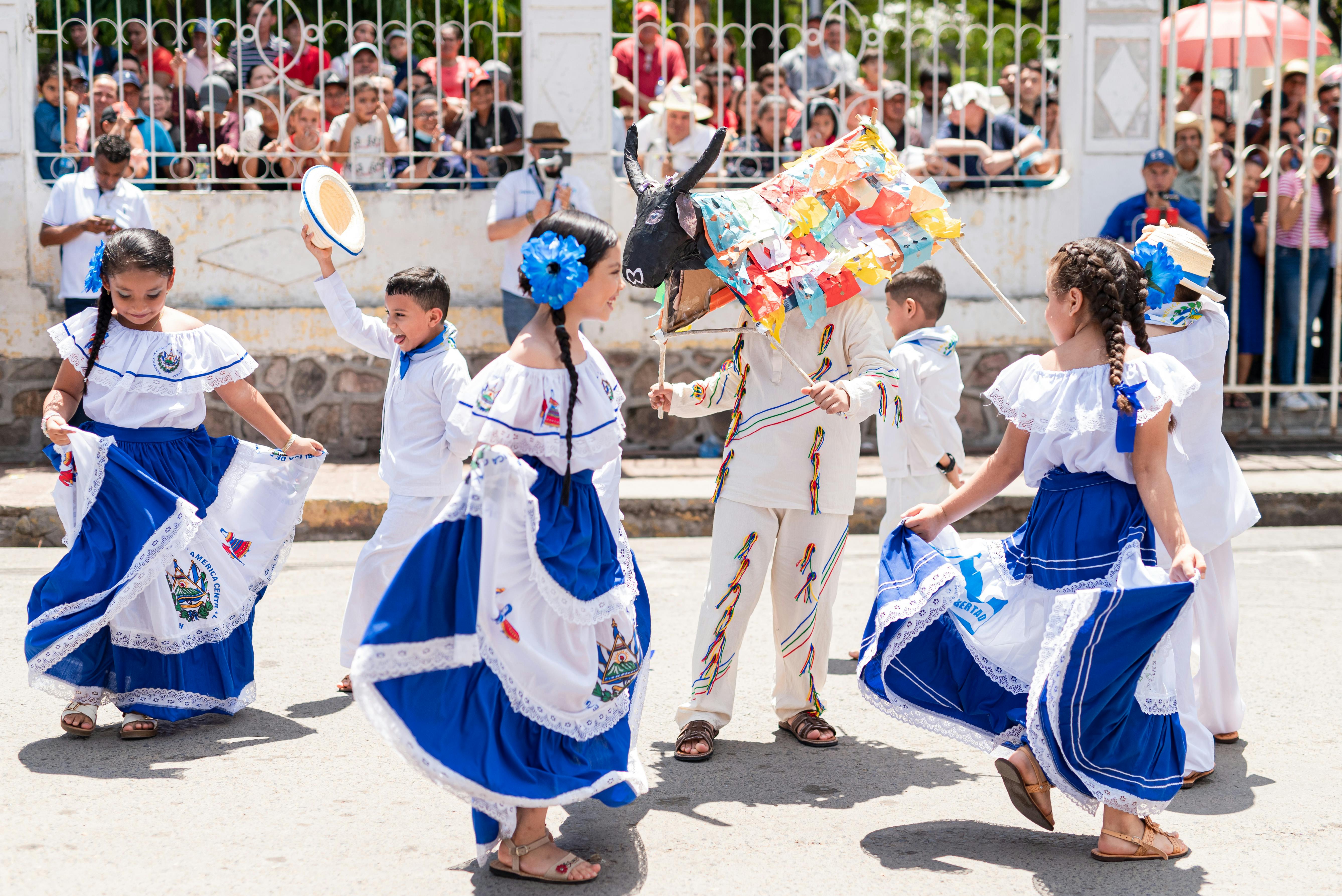


There is something about May that Latino families feel in their bones. The air shifts, the calendar fills up, and suddenly the whole community is in motion. It is not just Cinco de Mayo or Mother's Day. What really drives Latino May celebrations is something deeper: a cultural instinct to gather, to honor, and to celebrate life in community. For millions of Hispanic families across the United States, the month of May is an entire season of celebrations.
The Calendar Is Just the Starting Point
Ask any Latino family what is happening in May, and they will hand you a list. Mother's Day is massive, as it is a full-on family feast. Hispanic family gatherings around Mother's Day often span entire weekends, with grandmothers at the center, multiple generations at the table, and food that took days to prepare.
Then there are graduations. May is prime graduation season, and in Latino community culture, these milestones carry extraordinary weight. A first-generation college graduate is not just a personal achievement, but is also a community triumph, celebrated with the same energy as a quinceañera or a wedding.
Why Spring Itself Feels Cultural
Spring celebrations in Latino communities are not accidental. Across Latin American traditions, spring has long been associated with renewal, planting, and communal life. When families immigrate to the United States and settle into new rhythms, that seasonal instinct does not disappear, but adapts over time.
The longer days and warmer temperatures become an invitation. Backyards open up. Parks fill with families. Speakers come out. The communal spirit that defines Latino culture finds its most natural expression when the weather cooperates, and May delivers exactly that.
Birthdays, Quinceañeras, and the Art of Showing Up
One of the most underappreciated drivers of Latino May celebrations is the sheer density of birthdays and milestone events clustered in the month. Quinceañeras, baptisms, and first communions frequently land in May because families plan them around spring availability and the end of the school year.
In Latino households, these events are community obligations as much as personal celebrations. You show up with your whole family, bring food, and stay late. La familia is the foundation of everything, and May gives that foundation every reason to come alive.
Food as the Language of Celebration
No Latino gathering happens without food, and May is no exception. The dishes change by region and family, but the act of cooking together remains constant. Tamales, pozole, carnitas, arroz con leche, and other Latino meals are acts of love and cultural continuity.
Interestingly, tamales are not reserved for Christmas alone. Across the Mexican diaspora and broader Latino communities, tamales appear at graduations, quinceañeras, and spring gatherings throughout the year. Food traditions travel with people, and they adapt to every season of joy.
Festivals and Public Celebrations Across the U.S.
May is also when the Latino community culture goes public in a big way. Cities across the United States host cultural festivals, street fairs, and heritage events that draw thousands. These more than tourist destinations, as they are authentic expressions of community pride.
From Los Angeles to Chicago to Houston, Latino festivals in May celebrate music, dance, art, and cuisine in ways that make diaspora communities feel seen. Latino festivals across the U.S. serve a dual purpose: they welcome outsiders into the culture while reinforcing identity and belonging for those who carry it.
Some of the types of events common in May include:
- Cultural street festivals with live music and traditional dance
- Heritage markets featuring local artisans and food vendors
- Community awards ceremonies honoring local leaders
- Youth showcases celebrating student achievements
- Outdoor concerts blending traditional and contemporary Latino music
Supporting Latino Businesses During Celebration Season
All of this celebrating creates something tangible for the Latino community culture: economic energy. When families gather, they shop locally. They order cakes from the panadería down the street. They hire the DJ who grew up in the neighborhood. They buy flowers from the corner vendor who has been there for twenty years.
This type of support is cultural solidarity. Supporting local Latin businesses during May means keeping that economic energy inside the community. Every quinceañera dress bought from a Latina designer, every catering order placed with a family-owned restaurant, strengthens the ecosystem that makes the celebration possible in the first place.
What Makes May Different From Every Other Month
Other months have holidays. May has energy. It is the combination of warmth, milestones, heritage, and the cultural instinct to share joy openly that makes spring celebrations in Latino communities feel unlike anything else on the calendar.
The rhythm is unmistakable:
1. Mother's Day sets the tone — family first, always
2. Graduations follow, filling weekends with pride
3. Quinceañeras and spring milestone events layer in throughout
4. Local festivals create public moments of collective identity
5. The month closes with summer just ahead, extending the festive spirit forward
May Is Made for Community
May captures something essential about Latino community culture — the belief that life's best moments are meant to be shared. From the kitchen to the festival stage, from graduation halls to backyard gatherings, the month becomes a living expression of who Latino communities are and what they value most. Hispanic family gatherings in May are not obligations on a calendar but a showcase of living, breathing culture.
The depth of Latino May celebrations goes far beyond any single holiday or event. It reflects a worldview in which community, family, food, and joy are the same. Understanding that makes it easier to see why May feels less like a month and more like a movement.
Visit United Tribes today to learn more about Latino culture and community, from discovering local businesses to cultural events happening near you all season long.


