
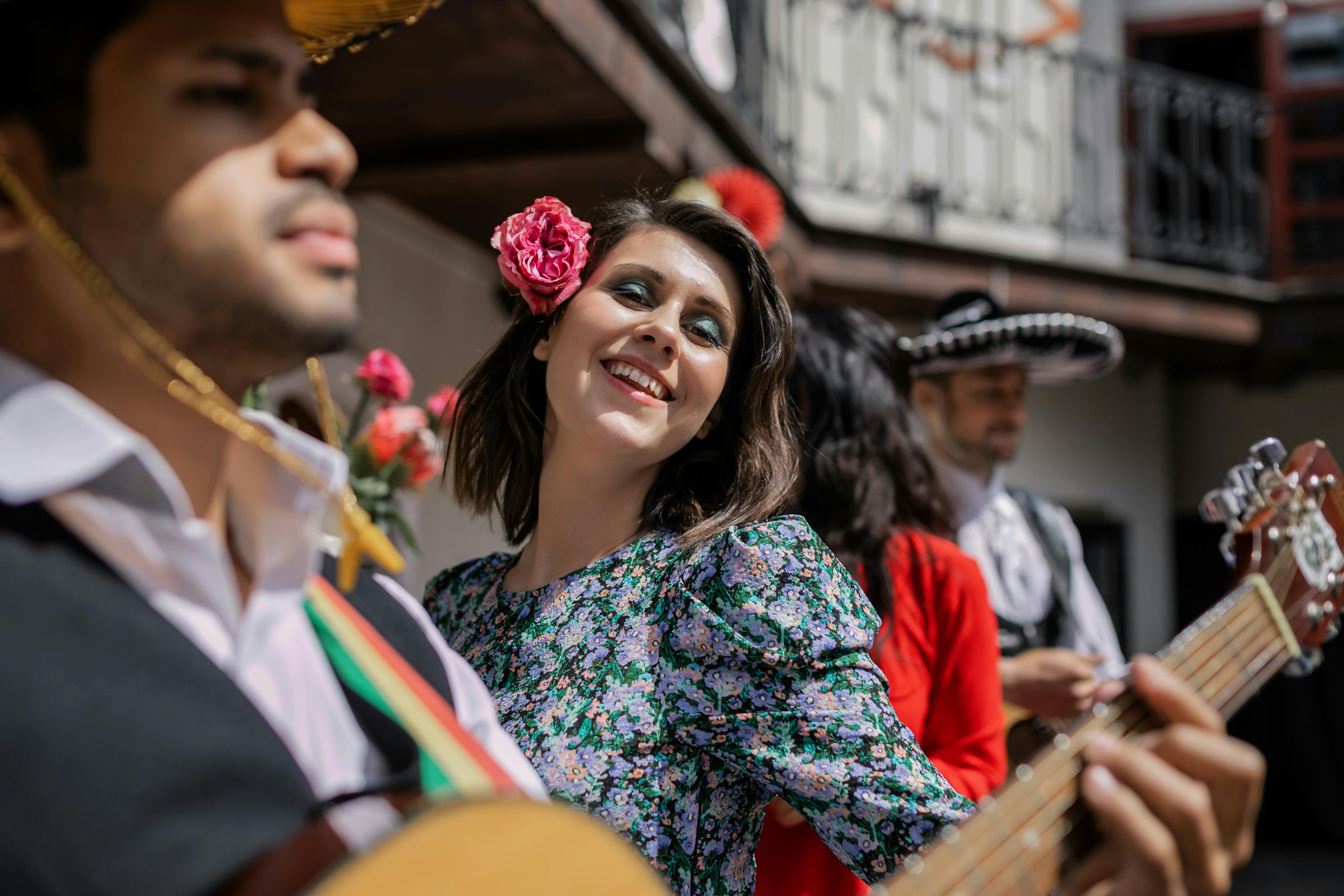

Latino festivals across the United States serve as powerful beacons of cultural identity, bringing together millions of people to celebrate the rich tapestry of Hispanic heritage. These vibrant gatherings transcend simple entertainment, functioning as vital community anchors that preserve traditions, foster connections, and showcase the diverse contributions of Latino communities to American society. From coast to coast, these Latino festivals and celebrations create spaces where generations can connect with their roots while sharing their culture with broader audiences.
The Cultural Significance of Latino Festival Celebrations
Latino heritage events represent far more than colorful parades and delicious food vendors. These festivals serve as living museums where ancient traditions meet contemporary expression, creating dynamic spaces for cultural transmission. Each celebration becomes a classroom where children learn traditional dances, taste authentic cuisine, and hear stories passed down through generations.

Welcome to United Tribes
Where Mexican Culture Comes Alive
Join Your Tribe
Connect with your people
Discover Events
Watch parties & festivals
Find Mexican Businesses
Restaurants, markets & more
Earn Crown Credits
Get rewarded for engaging
The importance of these gatherings extends beyond cultural preservation. They provide economic opportunities for Latino entrepreneurs, artists, and vendors while creating platforms for community organizing and civic engagement. Hispanic community celebrations often feature voter registration drives, health screenings, and educational workshops, demonstrating how cultural events can address practical community needs.
These festivals also combat cultural isolation, particularly important for recent immigrants or second-generation Latino Americans seeking to maintain connections to their heritage. The communal atmosphere allows individuals to find their place within the broader Latino diaspora while celebrating the specific traditions of their countries of origin.
Major Latino Festivals Across America
Cinco de Mayo Celebrations
While often misunderstood as Mexico's Independence Day, Cinco de Mayo commemorates the Mexican victory at the Battle of Puebla. In the United States, this celebration has evolved into one of the largest holiday observances, with major events in Los Angeles, Chicago, and San Antonio drawing hundreds of thousands of participants.
The festival features traditional mariachi music, folkloric dance performances, and authentic Mexican cuisine. Many celebrations incorporate these traditional and cultural music to showcase how this musical form continues to evolve while maintaining its cultural significance.
Hispanic Heritage Month Festivals
Running from September 15 to October 15, Hispanic Heritage Month spawns countless festivals nationwide. These celebrations honor the diverse cultures of Mexico, Central America, South America, and the Caribbean. Cities like Miami, New York, and Houston host elaborate month-long series of events featuring everything from cooking demonstrations to business networking opportunities.
Day of the Dead (Día de los Muertos) Celebrations
This traditional Mexican holiday has found new life in American cities with significant Latino populations. Unlike Halloween, Día de los Muertos celebrates deceased loved ones through colorful altars, traditional foods, and artistic displays. Communities often showcase the symbolism of papel picado, explaining how these delicate paper decorations carry deep spiritual meaning.
Regional Festival Highlights and Traditions
Southwest Festival Circuit
The southwestern United States hosts some of the most authentic Hispanic community celebrations, benefiting from proximity to Mexico and established Latino communities. Phoenix's Cinco de Mayo festival draws over 100,000 visitors annually, while Albuquerque's Hispanic Cultural Center hosts year-round programming that includes traditional craft workshops and historical exhibitions.
East Coast Celebrations
New York's Hispanic Day Parade stands as one of the largest Latino heritage events on the East Coast, featuring representatives from all Spanish-speaking countries. The celebration transforms Fifth Avenue into a river of cultural pride, with floats displaying national flags, traditional costumes, and contemporary Latino achievements in arts, business, and politics.
Midwest Latino Festivals
Chicago's massive Latino population supports numerous festivals throughout the year, with Pilsen's neighborhood celebrations offering intimate glimpses into Mexican-American culture. These events often feature Latino street art exhibitions, demonstrating how visual expression serves as another form of cultural storytelling.
Community Building Through Festival Participation
Latino festivals create unique opportunities for intergenerational connection and community building. Grandparents teach traditional dances to grandchildren, while local businesses network with potential customers and partners. These gatherings often serve as informal job fairs, with community organizations providing information about educational opportunities, healthcare services, and legal assistance.
The volunteer networks that organize these festivals year-round create lasting community infrastructure. Planning committees become civic organizations that advocate for Latino interests in local government, school boards, and community development projects. This transformation of cultural celebration into community empowerment demonstrates the profound impact of Hispanic community celebrations.
Many festivals also serve as platforms for emerging Latino artists, musicians, and entrepreneurs to showcase their talents. Local restaurants introduce new audiences to regional specialties, while artisans sell handcrafted goods that might otherwise remain unknown outside their immediate communities.
Economic and Social Impact of Latino Festivals
The economic impact of Latino heritage events extends far beyond festival grounds. Studies indicate that major Latino festivals generate millions of dollars in local economic activity through hotel bookings, restaurant visits, and retail purchases. Cities increasingly recognize these celebrations as tourism drivers that showcase cultural diversity and community vitality.
Social media has amplified festival reach, allowing celebrations to attract visitors from distant cities and states. This expanded audience brings greater visibility to Latino businesses and causes while fostering connections between Latino communities across geographical boundaries. The digital documentation of these events also creates archived records of cultural practices and community evolution.
Additionally, these festivals often serve as bridges between Latino communities and other cultural groups. Non-Latino attendees gain exposure to authentic cultural expressions rather than stereotypical representations, fostering greater understanding and appreciation for Latino contributions to American society.
Celebrating Latino Heritage Together
Latino festivals throughout the United States represent vibrant expressions of cultural pride that strengthen community bonds while sharing rich traditions with broader audiences. These celebrations serve multiple purposes: preserving heritage for future generations, providing economic opportunities for Latino entrepreneurs, and creating inclusive spaces where diverse backgrounds converge in appreciation of Hispanic culture. The impact of these festivals extends far beyond their scheduled dates, creating year-round networks of community support and cultural advocacy.
As Latino communities continue to grow and evolve across America, these festivals adapt while maintaining their core mission of celebration and connection. They demonstrate how cultural traditions can thrive in new environments while contributing to the multicultural fabric of American society. Visit United Tribes today and find out more about Latino culture and community events happening near you.
Make United Tribes Your Preferred Source
Add United Tribes on Google to get the latest stories, cultural updates, and community events directly in your Google Search and Top Stories.


