
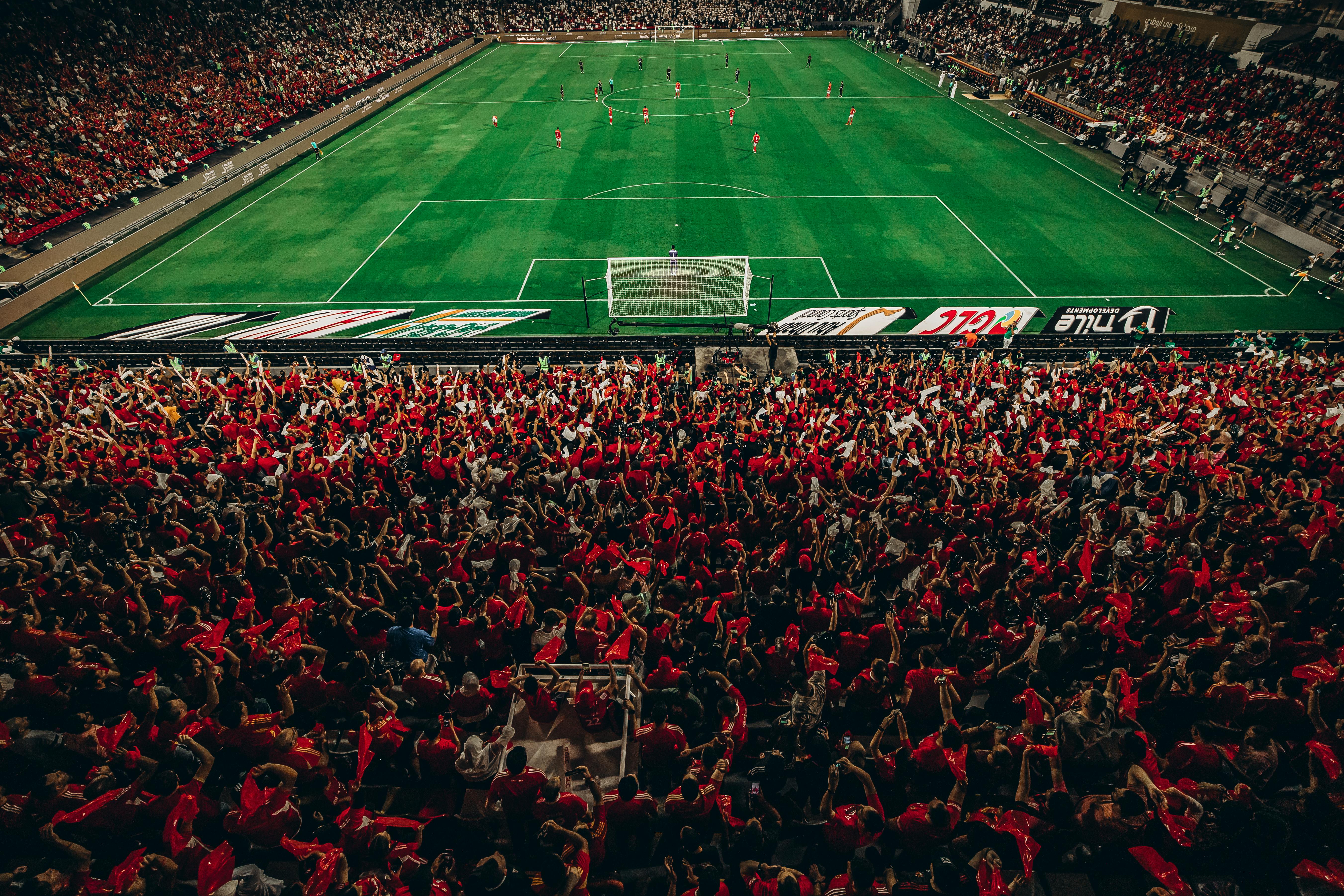

When Iran steps onto the pitch during the FIFA World Cup 2026, millions of Persian fans across the United States won't just be watching a soccer match. They'll be gathering in living rooms, Persian restaurants, and community spaces with tea in hand, voices rising in Farsi, and hearts carrying decades of identity and diaspora pride. For the Iranian community, the World Cup is never just a sport — it's a reunion, a cultural ritual, and a moment of collective belonging.
Why the World Cup Hits Different for the Persian Diaspora
Soccer in Iran a language that crosses generations, borders, and political divides. For Iran fans in the World Cup USA, watching Team Melli (the national team) play carries emotional weight that goes far beyond the scoreline. Many Iranian Americans grew up watching matches with parents who remembered the 1998 World Cup against the United States — a game soaked in geopolitical tension and unforgettable cultural memory.

Welcome to United Tribes
Where Persian Culture Comes Alive
Join Your Tribe
Connect with your people
Discover Events
Watch parties & festivals
Find Persian Businesses
Restaurants, markets & more
Earn Crown Credits
Get rewarded for engaging
For the diaspora, these games are a rare moment when cultural pride becomes public, visible, and loud. Communities that often navigate dual identities quietly find themselves waving Iranian flags, singing chants, and embracing strangers over shared roots. That communal energy is exactly what makes Persian watch parties in the USA such a powerful experience.
The Heart of the Gathering: Persian Restaurants and Cafés
The most natural home for an Iranian community soccer gathering is, without question, a Persian restaurant or café. Cities with significant Iranian American populations — Los Angeles, San Jose, Washington D.C., Houston, and Chicago — are filled with establishments that understand exactly what fans need on match day.
In Los Angeles's "Tehrangeles" district along Westwood Boulevard, Persian restaurants regularly set up large screens, brew fresh tea, and push tables together to accommodate groups. You'll find plates of koofteh, fresh herbs, and warm lavash bread arriving just as the kickoff whistle blows. The atmosphere feels less like a sports bar and more like a family gathering where everyone happens to be watching the same screen.
San Jose's Persian community similarly gathers in local kabob houses and tea rooms that understand the ritual. These aren't improvised setups — restaurant owners in the community know that match days bring loyal customers seeking familiarity and warmth.
Tea, Tradition, and Matchday Rituals
No Persian gathering is complete without tea. Persian tea culture is deeply woven into how Iranian families socialize, celebrate, and even process tension — and a World Cup match delivers all three. Glasses of chāy (tea) served with rock sugar are passed around before kickoff, continuing a ritual that mirrors how the same families gather for Nowruz or Yalda Night.
Food plays an equally central role. While chips and wings dominate American sports bars, Persian watch parties tend to feature tahdig, stews, and rice dishes. If you're hosting at home, a crispy, golden tahdig is practically mandatory — the ultimate comfort dish for a high-stakes match.
The ritual of gathering itself reflects values described in taarof, the Persian etiquette of generous hospitality. Hosts insist guests eat more, sit longer, and feel honored — even when tension on the screen is through the roof.
Where to Find Persian Watch Parties in the USA
If you're looking for where to watch Iran games with fellow fans, here are the types of spaces to seek out:
- Persian cultural centers: Organizations like the Iranian American Arts Council or local Iranian student associations often organize official watch events
- Persian restaurants with screens: Especially in LA, the Bay Area, and DC, many Persian restaurants host match-night viewing events with special menus
- Community mosques and cultural halls: Some Iranian community spaces open their doors for major matches, especially when the game lands on weekends
- Private home gatherings: Word spreads fast through WhatsApp groups and community networks — if you're connected to a Persian circle, you'll likely get an invite
Platforms like United Tribes can also help you discover Iranian community events near you, connecting local diaspora members with culturally rooted spaces to celebrate together.
The Emotional Weight of Watching as a Diaspora Fan
For many Iranian Americans, watching Team Melli evokes something more complex than sports fandom. It connects to a homeland many left under difficult circumstances, to family members still back in Iran watching the same match, and to a cultural identity that thrives most visibly in moments of collective celebration.
These gatherings mirror the spirit of other major Iranian community events. Just as Shabe Yalda brings families together in the longest night of winter, and Yalda Night in America shows how communities keep ancient traditions alive in a new land, a World Cup match becomes its own kind of cultural preservation — proof that belonging travels with you.
Gather With Your Tribe This World Cup
The FIFA World Cup 2026 on U.S. soil gives the Persian diaspora a rare and meaningful opportunity: to watch Iran play in the same country they now call home. Whether you're finding a Persian café in Los Angeles, joining a community watch event in Houston, or hosting friends around a steaming pot of tea and a plate of tahdig, these football moments strengthen identity, memory, and the enduring importance of cultural community.
From the chants to the cuisine, Iranian gatherings during World Cup 2026 will be some of the most vibrant cultural events of the year. The game brings people together, but Persian culture makes that togetherness something truly special — warm, generous, and deeply rooted in tradition.
Visit United Tribes today to learn more about Iranian culture and community — from business listings to cultural events, it's your gateway to staying connected with the Persian diaspora across the United States.
Make United Tribes Your Preferred Source
Add United Tribes on Google to get the latest stories, cultural updates, and community events directly in your Google Search and Top Stories.


