
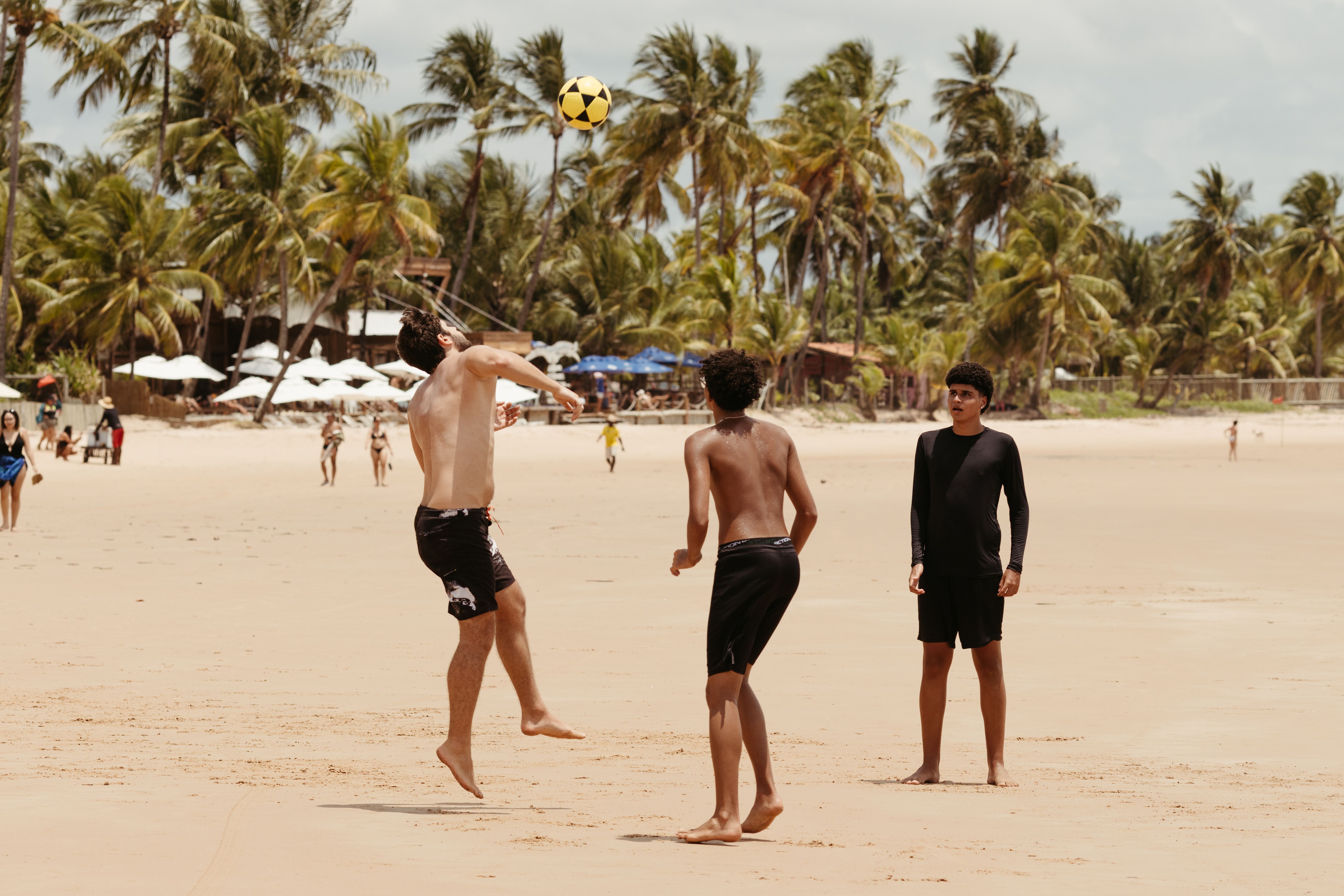


When FIFA 2026 brought the World Cup to North American soil, it ignited something far beyond sport. For the Brazilian community in the USA, the tournament became a living celebration of identity, a moment where football, samba rhythms, street food, and great cultural pride collided in the most joyful way possible. From Los Angeles to Miami, from New York to Houston, Brazilian Americans showed the rest of the country what it truly means to love the beautiful game.
The Heartbeat of Brazil: Football as a Way of Life
For Brazilians, football is a language, a religion, and a birthright. Brazil FIFA 2026 stirred something primal in the diaspora community, reuniting generations around a shared passion that no ocean could diminish. Grandparents who remembered Pelé's era sat alongside grandchildren born in America, all wearing the iconic verde e amarelo, green and gold, and screaming in unison with every goal attempt.
Brazilian football culture is uniquely tied to joy. The sport here is expressive, improvisational, and deeply emotional. Watch parties across U.S. cities reflected that energy perfectly, with crowds erupting into samba beats between halves of the match, flags draped over restaurant windows, and the unmistakable sound of Brazilian Portuguese filling outdoor plazas and bars.
Watch Parties That Became Cultural Festivals
Brazilian communities transformed ordinary match screenings into full cultural events during the World Cup celebrations. In Miami's Little Havana and Brickell neighborhoods, home to a significant Brazilian population, local organizers set up outdoor viewing spaces complete with live percussion, food stalls, and face-painting in national colors. Similar scenes played out in Newark, New Jersey, and in the Ironbound district, where Brazilian immigrants have built tight-knit roots for decades.
What made these gatherings remarkable was how they expanded beyond the Brazilian community itself. Neighbors from other cultural backgrounds joined in, drawn by the music, the food, and the electric atmosphere. FIFA 2026's placement in the U.S. gave Brazilian football culture a massive stage to introduce itself to a broader American audience, and it delivered spectacularly.
Samba, Music, and the Sound of Brazil
No Brazilian celebration is complete without music, and FIFA 2026 proved that point definitively. Samba schools from cities like Newark and San Francisco organized spontaneous street performances tied to match days. Drummers, dancers in sequined costumes, and singers brought the spirit of Rio's Carnaval directly to American sidewalks.
The musical dimension of these celebrations reflected something important: Brazilian cultural identity in America is preserved not just through language or food, but through rhythm. Samba is resistance, memory, and community all at once. Younger Brazilian Americans who grew up in the U.S. found themselves reconnecting with roots they had only known secondhand: learning drum patterns from elders, joining dance circles, and, for the first time, feeling what it fully means to be Brazilian.
Brazilian Food at the Center of Every Gathering
Food was inseparable from the FIFA 2026 experience. Brazilian restaurants across the country reported record-breaking traffic during match days, and pop-up vendors appeared at viewing events serving beloved classics. Coxinha — the iconic chicken-filled dough fritter — was everywhere. So were pão de queijo (cheesy bread rolls), churrasco skewers, fresh-grilled, brigadeiros for dessert, and caipirinha cocktails flowing freely.
Brazilian cuisine carries deep cultural meaning, blending Indigenous, African, and Portuguese influences into a flavor profile that is entirely its own. The bold, hearty dishes that sustained watch-party crowds were also quiet acts of cultural preservation — recipes passed down through families and now served proudly to a multicultural American audience curious to taste something new.
Community Building Through the Tournament
FIFA 2026 helped organize communities. Brazilian cultural associations across the U.S. used the tournament as a fundraising opportunity, a platform for visibility, and a recruitment opportunity for new members. Brazilian business owners partnered with local event organizers to sponsor watch parties in exchange for exposure and to build relationships with city officials and local media for the first time.
The tournament also highlighted the entrepreneurial spirit of the Brazilian community. Restaurant owners, caterers, event planners, clothing vendors selling national team gear, and artisans selling handmade Brazilian crafts all found a ready and enthusiastic audience. FIFA 2026 proved that cultural pride and economic opportunity are deeply intertwined — and that a football tournament can function as a community development engine.
Cultural Exchange and New Alliances
One of the most meaningful outcomes of Brazil's FIFA 2026 celebrations was the cross-cultural exchange it enabled. Brazilian samba circles drew in curious onlookers from Mexican, Colombian, Filipino, and American backgrounds. Food trucks parked side by side, representing multiple heritage communities at shared viewing events. Friendships formed over shared meals and match tension.
Platforms like United Tribes exist precisely to support and document this kind of multicultural momentum, connecting heritage communities, amplifying their visibility, and helping Americans of all backgrounds discover the richness living right in their cities. Just as Latin American dance culture continues to thrive across the U.S., Brazilian movement arts found new fans during FIFA 2026, further weaving the country's cultural fabric more tightly.
Brazil's Light Shines Bright in America
FIFA 2026 was a cultural declaration. Across every city that hosted a watch party, every restaurant that sold out of coxinha, and every samba circle that formed on an American street corner, Brazil's diaspora community announced itself with unmistakable energy and pride. Brazilian football culture became a bridge connecting generations, neighbors, and entire communities who might never have otherwise met.
The tournament leaves behind something lasting: visibility, new partnerships, and a deeper appreciation for what Brazilian communities contribute to the American social fabric. Whether you are Brazilian-born, Brazilian American, or simply someone newly captivated by the culture, there are communities, businesses, and stories waiting to be discovered.
Visit United Tribes today to learn more about Brazilian culture and community. Explore businesses, events, and stories from one of the most vibrant heritage groups shaping life in the United States.


