
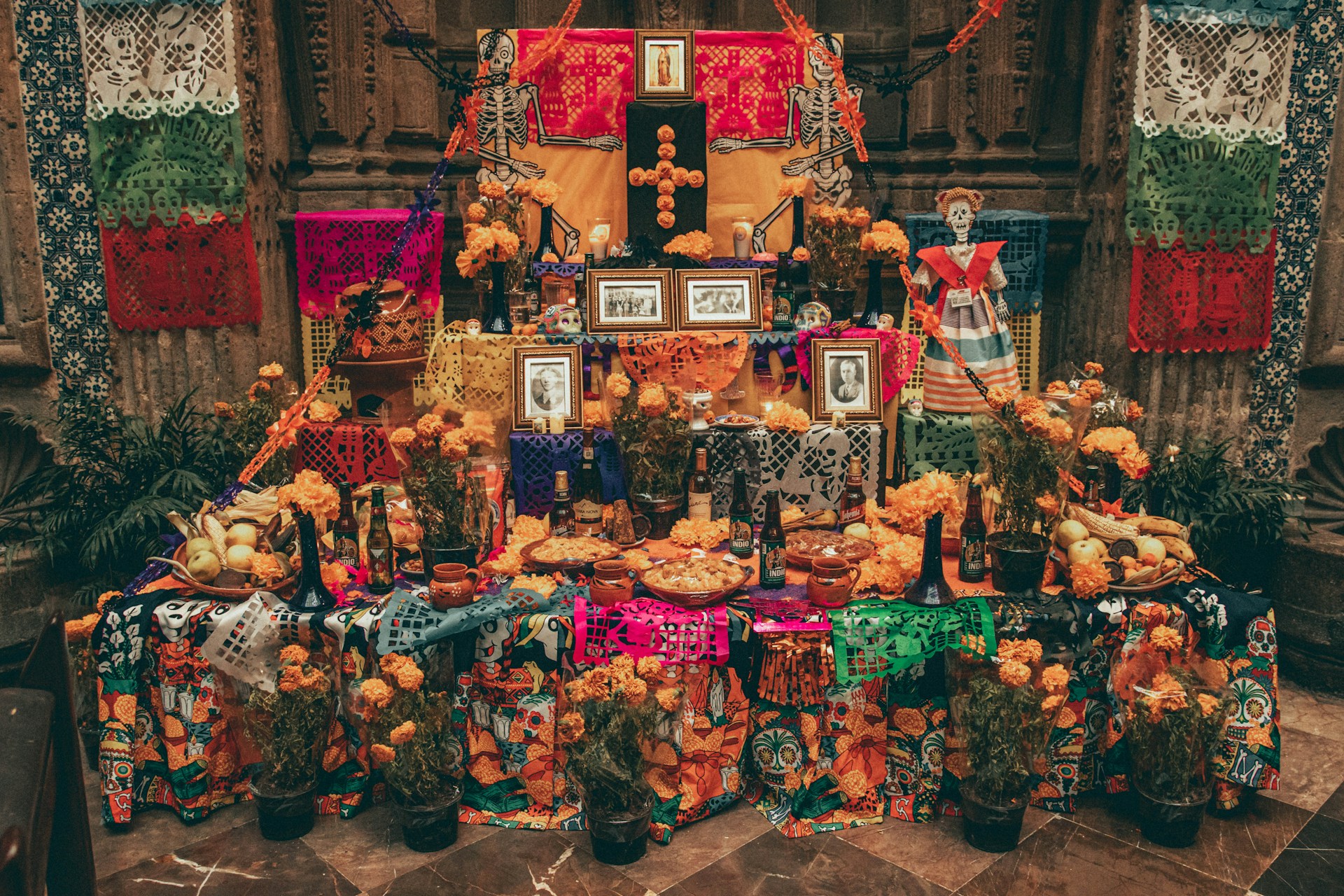


Every November 1st and 2nd, Día de los Muertos celebrations transform communities across the United States into vibrant tapestries of memory, love, and cultural heritage. This ancient Mexican tradition has found new life in American soil, where millions of Mexican-American families continue to honor their ancestors while adapting sacred practices to their modern surroundings. Far from being a somber occasion, Día de los Muertos represents one of the most joyful and meaningful Hispanic cultural celebrations in the United States, bridging generations and keeping ancestral connections alive across borders.
The celebration has evolved uniquely in the U.S., where Mexican-American communities have created innovative ways to preserve tradition while embracing their bicultural identity. From elaborate public festivals in major cities to intimate family gatherings in suburban homes, Día de los Muertos serves as a powerful reminder that death is not an ending, but a continuation of love and remembrance.
The Sacred Art of Building Altars in American Homes
The ofrenda, or altar, remains the heart of Día de los Muertos celebrations throughout Mexican-American households across the United States. These carefully constructed tributes serve as welcoming spaces for deceased loved ones to return and visit with their families during the sacred days of remembrance.
In U.S. homes, families often adapt traditional altar-building to fit modern living spaces. Where Mexican families might use entire rooms, Mexican-American families frequently create stunning ofrendas on dining room tables, mantlepieces, or specially designated corners of their homes. The essential elements remain unchanged: multiple levels representing the journey between earth and heaven, vibrant papel picado (cut paper banners) dancing in the breeze, and the warm glow of candles guiding spirits home.
Photographs of the departed take center stage on these altars, often accompanied by their favorite foods prepared exactly as they enjoyed them in life. Mexican-American families might include both traditional Mexican dishes like mole and tamales alongside American favorites their loved ones enjoyed, such as apple pie or hamburgers. This beautiful fusion reflects the bicultural experience of many Mexican-American families, honoring ancestors who lived and loved across two cultures.
Personal belongings create intimate connections between the living and the dead. Children place beloved toys on altars for deceased siblings, while adults might include jewelry, books, or tools that defined their loved ones' lives. These Mexican traditions adapted for American life demonstrate how sacred practices evolve while maintaining their essential spiritual significance.
Marigolds: The Golden Path Across America
Cempasúchil, or marigolds, play an irreplaceable role in Día de los Muertos celebrations, their brilliant orange and yellow petals believed to guide spirits back to the world of the living. Across American cities with significant Mexican-American populations, flower vendors begin stocking these sacred blooms weeks before November 1st, understanding their deep cultural importance to celebrating families.
In the United States, many Mexican-American families have embraced creative approaches to incorporating marigolds into their celebrations. Some families plant marigold gardens months in advance, ensuring fresh blooms for their ofrendas. Others participate in community marigold cultivation projects, where entire neighborhoods work together to grow and share these sacred flowers.
The logistics of obtaining traditional Mexican marigolds in the U.S. have led to beautiful adaptations. While the specific varieties used in Mexico might be difficult to source, American-grown marigolds serve the same spiritual purpose. Families often combine fresh marigolds with artificial ones, creating lasting decorations that can be preserved throughout the celebration period.
Marigold petals create luminous pathways from front doors to family altars, transforming American suburban streets into sacred routes for returning spirits. In apartment complexes and urban settings, families might create marigold trails through hallways or use the flowers to decorate balconies, adapting ancient practices to modern architectural realities.
Public Celebrations: Bringing Día de los Muertos to American Streets
Hispanic cultural celebrations of Día de los Muertos have flourished in American public spaces, creating opportunities for both Mexican-American families and curious neighbors to experience these profound traditions. Cities like Los Angeles, San Antonio, Phoenix, and Chicago host elaborate public festivals that draw thousands of participants and spectators each year.
Community Festivals and Cultural Centers
Major American cities now host annual Día de los Muertos festivals that rival those found in Mexico. Los Angeles' Hollywood Forever Cemetery celebration has become internationally famous, drawing over 30,000 visitors who picnic among elaborately decorated gravesites while enjoying live music, traditional foods, and cultural performances. This event perfectly captures how Mexican traditions have taken root in American soil, creating new cultural landmarks.
San Antonio's Marigold Project and Día de los Muertos festival transform the city's downtown area into a massive celebration of life and death. Local Mexican-American artists create stunning altars and installations, while families participate in processions carrying photographs of their departed loved ones. These public displays help educate non-Mexican Americans about the beauty and significance of these ancient traditions.
Educational Outreach and Cultural Bridge-Building
Museums and cultural centers across the United States have embraced Día de los Muertos as an opportunity to educate diverse audiences about Mexican culture and traditions. The National Museum of Mexican Art in Chicago, the Mexican Cultural Institute in San Antonio, and countless other institutions create elaborate exhibitions that explain the historical and spiritual significance of the celebration.
Schools with significant Mexican-American student populations often incorporate Día de los Muertos into their cultural programming, allowing children to share their family traditions with classmates from different backgrounds. These educational initiatives help preserve Mexican traditions while fostering cross-cultural understanding in increasingly diverse American communities.
Art installations in public spaces have become powerful expressions of Día de los Muertos in the U.S. Mexican-American artists create massive altars in parks, plazas, and community centers, often incorporating elements that speak to the immigrant experience and the challenges of maintaining cultural identity across borders.
Blending Traditions: Innovation Within Sacred Practice
The celebration of Día de los Muertos demonstrates remarkable creativity as Mexican-American communities adapt ancient practices to contemporary American life. These adaptations don't diminish the tradition's sacred nature; instead, they ensure its continued relevance for new generations growing up between cultures.
Technology has found its place in modern Día de los Muertos celebrations, with families creating digital altars to share with relatives in Mexico, livestreaming cemetery visits for extended family members who cannot travel, and using social media to share memories and photographs of departed loved ones. These innovations help maintain family connections across vast distances, ensuring that Mexican traditions continue to unite families regardless of geography.
Fusion foods have emerged as beloved elements of American Día de los Muertos celebrations. Mexican-American families might prepare traditional pan de muerto alongside pumpkin-flavored versions, or create altars featuring both Mexican hot chocolate and American coffee for departed loved ones who embraced both cultures during their lifetimes.
Community partnerships have strengthened Hispanic cultural celebrations throughout the United States. Mexican-American organizations often collaborate with local governments, schools, and businesses to create public awareness about Día de los Muertos, transforming what was once an intimate family tradition into a community-wide celebration that welcomes people from all backgrounds.
The integration of Día de los Muertos into American Halloween traditions has created interesting cultural conversations. While some families maintain strict separation between the two observances, others have found ways to honor both, using the widespread American familiarity with Halloween as a bridge to explain the deeper spiritual significance of Día de los Muertos.
Preserving Heritage Through Celebration
Día de los Muertos represents far more than a cultural tradition transported across borders; it embodies the resilient spirit of Mexican-American communities who refuse to let distance diminish their ancestral connections. Through innovative adaptations that honor sacred practices while embracing American realities, these celebrations demonstrate how traditions can evolve while maintaining their essential spiritual significance. The growing popularity of public Día de los Muertos festivals, the creative fusion of traditional and contemporary elements, and the increasing participation of non-Mexican Americans all point to the universal appeal of celebrating life through remembrance of death.
As Mexican traditions continue to enrich the American cultural landscape, Día de los Muertos serves as a powerful reminder that heritage transcends geography and that love for departed family members knows no borders. These celebrations create bridges between past and present, Mexico and the United States, and different cultural communities who find common ground in honoring those who came before us. Visit United Tribes today and find out more about Mexican culture and community celebrations that keep these beautiful traditions alive across America.


