

When FIFA 2026 arrived on American soil, shared with Canada and Mexico, it became a cultural test and was the world’s most-watched sporting event in U.S. stadiums. Could football finally crack the American mainstream? The answer, it turns out, is more complicated and more interesting than a simple yes-or-no.

Welcome to United Tribes
Where Diverse Cultures Come Alive
Join Your Tribe
Connect with your people
Discover Events
Watch parties & festivals
Find Tribe Businesses
Restaurants, markets & more
Earn Crown Credits
Get rewarded for engaging
A Tournament Built for a Crossroads Moment
The United States has been flirting with football fever for decades. The 1994 World Cup planted early seeds. The rise of MLS expanded the footprint. But FIFA 2026 arrived at a genuinely different moment: a country more diverse, more digitally connected, and more sports-literate than any previous generation. The impact of FIFA 2026 soccer on the USA was amplified by timing as much as by talent.
For communities already living the beautiful game, Mexican, Brazilian, Colombian, Salvadoran, and dozens of other diaspora groups, the tournament was a homecoming. For native-born Americans new to the sport, it was more of an introduction they couldn't ignore.
Youth Interest and the Next Generation of Players
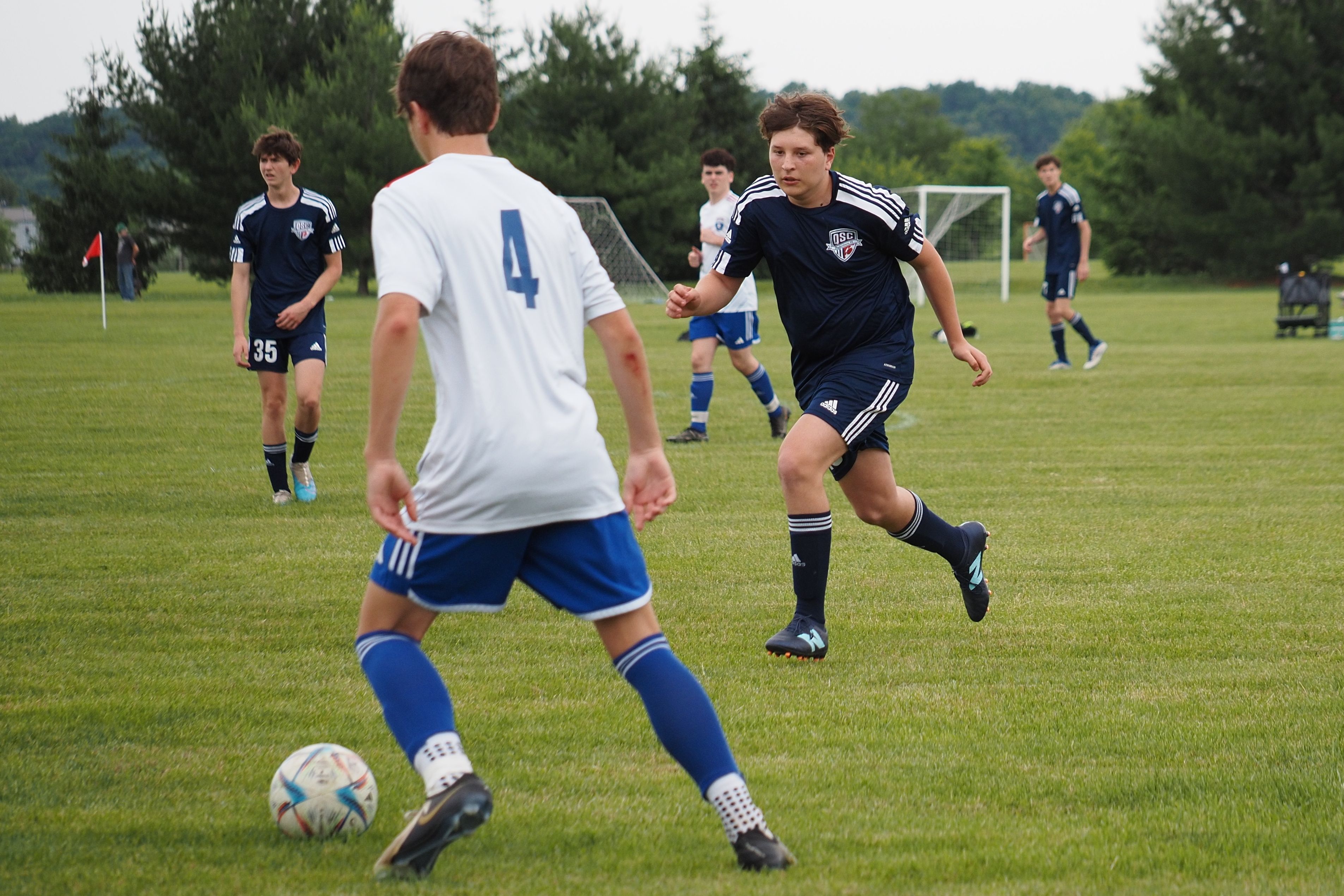
Perhaps the most concrete indicator of lasting change is what happened at the grassroots level. Registration numbers at youth soccer clubs spiked noticeably in the months leading up to the tournament. Coaches across the country reported increased enrollment inquiries, particularly among kids aged 8 to 14, the demographic most likely to carry their enthusiasm into lifelong participation.
Football growth in America has always depended on this pipeline. What FIFA 2026 did differently was give young American players visible role models who looked like them, spoke like them, and played for teams they actually cared about. The expansion to 48 teams meant more nations competed, which meant more diaspora communities had a stake in the outcome. More American kids with multicultural roots found themselves suddenly deeply invested.
This crossover between heritage pride and sporting identity matters. As explored in how immigrant communities are shaping American culture, cultural pride frequently fuels broader civic and social participation — and youth sports are no exception.
Media Attention and the Broadcast Shift
Television and streaming numbers during FIFA 2026 broke domestic records. Spanish-language networks had long dominated World Cup viewership in the U.S., but English-language broadcasts finally began closing the gap. Major networks invested heavily in pre-match programming, analysis shows, and documentary content that contextualized football within American sports culture rather than treating it as foreign.
Social media accelerated this shift dramatically. Match highlights, player spotlights, and real-time reactions flooded feeds across platforms, reaching audiences who would never have sought out football coverage on their own. The World Cup legacy, in media terms, may be less about TV ratings and more about football becoming impossible to scroll past.
Local Club Engagement and Community Infrastructure
One of the most telling signs of the tournament's lasting influence is what happened not in NFL stadiums but in local parks and community centers. Recreational leagues saw increased adult participation. Ethnic community clubs, many of which have operated quietly for decades, serving Brazilian, African, South Asian, and Caribbean communities, suddenly attracted new members and new visibility.
These clubs represent the living infrastructure of soccer culture after FIFA 2026. They are spaces where cultural identity and athletic participation intersect. The tournament gave them a public moment, and many used it effectively: hosting watch parties, opening their doors to new members, and positioning themselves as community hubs.
Understanding this connection between sport and belonging is central to what it means to be American in a multicultural landscape, and football, more than almost any other sport, naturally sits at that intersection.
Public Conversation: Did the Needle Really Move?
Honest analysis requires acknowledging the counterarguments. The NFL remains dominant. Baseball, basketball, and college sports still command enormous cultural bandwidth. Die-hard skeptics will note that Americans have "discovered" football before — after 1994, after 2014 — only for interest to recede once the tournament ended.
What feels different post-2026 is the demographic math. The United States is increasingly Latino, increasingly immigrant-connected, and increasingly shaped by communities for whom football is not a novelty but a birthright. The public conversation about football's growth in America is happening in real time, in real communities, backed by real participation numbers.
The broader story of how American traditions are evolving in a multicultural environment provides essential context here. Sports don't exist outside culture; rather, they reflect and accelerate cultural change.
The Business of Football's American Moment
Entrepreneurs noticed. Football-themed merchandise, sports bars positioning themselves as match-day destinations, coaching academies, and equipment retailers all reported increased activity during and after the tournament. For multicultural business owners — many of whom have served football-loving communities for years without mainstream recognition — FIFA 2026 created a rare window of broader visibility.
Football's Future Is Already Here
FIFA 2026 accelerated a generational, demographic, and cultural shift that is making football increasingly central to American sports identity. The tournament's most durable legacy may not be a trophy or a broadcast record. It may be the millions of kids who started playing, the local clubs that gained new members, and the communities whose love of football finally got the mainstream attention it deserved.
The momentum is real, but momentum requires maintenance. Youth programs need funding and coaching. Community clubs need visibility. Multicultural entrepreneurs building businesses around football culture need platforms that recognize their contribution to the sport's growth. The question isn't whether Americans have changed how they see football; it's whether the infrastructure exists to sustain that change in the long term.
Curious about the multicultural communities and businesses already driving football culture across the U.S.? Explore the United Tribes community platform to connect with heritage clubs, cultural entrepreneurs, and passionate fans who keep the beautiful game alive between tournaments.
Make United Tribes Your Preferred Source
Add United Tribes on Google to get the latest stories, cultural updates, and community events directly in your Google Search and Top Stories.


