
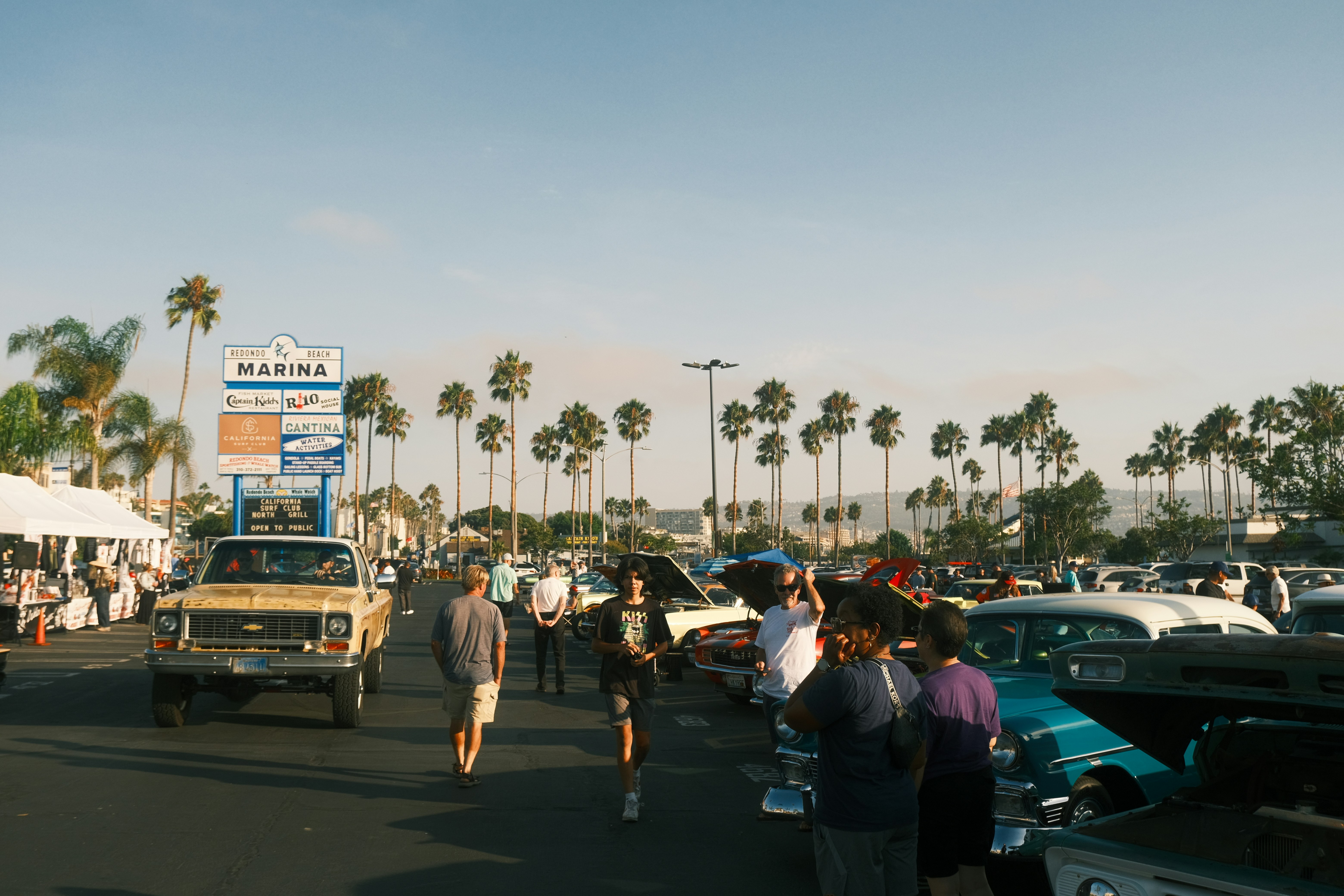

The question of what it means to be American has never been more complex or more compelling than it is in 2026. As our nation continues to evolve into an increasingly diverse tapestry of cultures, traditions, and identities, the very concept of American identity is being redefined from the ground up. Today's America represents a beautiful contradiction: a nation founded on the ideal of unity while simultaneously celebrating the rich diversity that makes us stronger.
The Evolution of Cultural Identity in Modern America
The landscape of American identity has shifted dramatically over the past decade, with 2026 marking a pivotal moment in how we understand ourselves as a nation. Unlike previous generations who often felt pressure to assimilate completely into a dominant culture, today's Americans are embracing a more fluid, multifaceted approach to identity.

Welcome to United Tribes
Where American Culture Comes Alive
Join Your Tribe
Connect with your people
Discover Events
Watch parties & festivals
Find American Businesses
Restaurants, markets & more
Earn Crown Credits
Get rewarded for engaging
Cultural diversity in America is no longer merely a demographic fact—it is a source of national strength and innovation. From Silicon Valley startups founded by immigrants to James Beard Award-winning restaurants serving authentic ethnic cuisine, diversity drives creativity, economic growth, and cultural enrichment across every sector of American society.
This evolution is particularly evident in how younger generations navigate their identities. Many Americans now seamlessly blend their ancestral traditions with contemporary American experiences, creating unique cultural expressions that honor both their heritage and their current home.
Technology and Digital Communities Reshaping Belonging
The digital revolution has fundamentally transformed how Americans connect with their cultural identities and find their sense of belonging. Online platforms have become virtual gathering spaces where people can explore their heritage, connect with others who share similar backgrounds, and discover new aspects of American culture they might not otherwise encounter.
Social media has enabled the preservation and sharing of cultural knowledge across generations and geographic boundaries. Grandmothers in California can now teach traditional recipes to grandchildren in New York via video calls. At the same time, community organizers use apps to coordinate cultural events celebrating the full spectrum of American diversity.
Digital storytelling has emerged as a powerful tool for redefining belonging. Americans from all backgrounds are using blogs, podcasts, and social platforms to share their unique perspectives on what it means to be both authentically themselves and authentically American. These narratives challenge stereotypes, build bridges between communities, and create new models for inclusive American identity.
Economic Empowerment Through Cultural Entrepreneurship
One of the most significant developments in American identity is the recognition that cultural diversity isn't just socially valuable—it's economically powerful. Entrepreneurs from diverse backgrounds are building successful businesses that celebrate their heritage while serving broader American markets, creating a new model of success that doesn't require abandoning one's roots.
Culturally rooted businesses are thriving across industries, from fashion designers who incorporate traditional textiles into contemporary designs to tech entrepreneurs who develop solutions for underserved communities. These businesses demonstrate that authenticity and commercial success can go hand in hand, inspiring a new generation of entrepreneurs to view their cultural backgrounds as assets rather than obstacles.
The food industry exemplifies this trend particularly well. Restaurants, food trucks, and packaged goods companies are introducing Americans to authentic flavors and cooking techniques from around the world, while simultaneously creating economic opportunities for immigrant and first-generation entrepreneurs. This culinary exchange enriches American food culture while supporting community economic development.
Supporting Local Cultural Businesses
The growing recognition of cultural entrepreneurship has led to increased support for locally-owned businesses that serve as cultural ambassadors in their communities. These enterprises often function as more than just commercial ventures—they become community gathering spaces, cultural education centers, and bridges between different groups within American society.
Consumer awareness has also shifted, with more Americans actively seeking out businesses that represent diverse perspectives and contribute to cultural understanding. This conscious consumption pattern supports the economic sustainability of cultural enterprises while encouraging the preservation and evolution of traditional practices within American contexts.
Intergenerational Perspectives on American Belonging
The conversation about American identity is deeply influenced by generational perspectives, with each cohort bringing unique insights about what belonging means in contemporary America. Older generations often emphasize the importance of civic participation and shared American values, while younger Americans tend to focus on inclusive representation and the celebration of diverse cultural expressions.
First-generation immigrants frequently navigate complex relationships with American identity, balancing their desire to honor their countries of origin with their commitment to their new home. Their children and grandchildren often serve as cultural translators, helping to bridge these worlds while creating new forms of American expression that incorporate elements from multiple traditions.
This intergenerational dialogue has enriched American culture immeasurably. Families share stories that help younger members understand both where they come from and where they're going. At the same time, community elders pass down traditions that might otherwise be lost in the rapid pace of modern American life.
The wisdom that emerges from these conversations often centers on the idea that being American doesn't require choosing between heritage and nationality—it means finding ways to honor both while contributing to the ongoing evolution of American culture.
Geographic Diversity and Regional American Identities
American identity is also shaped by geography, with different regions of the country developing distinct multicultural characteristics based on their unique immigration patterns, economic opportunities, and historical contexts. Urban areas often showcase the most visible cultural diversity, with neighborhoods that celebrate specific ethnic communities while maintaining connections to broader city identity.
Rural areas are also experiencing significant cultural shifts, as new Americans settle in smaller communities and contribute to local economies and cultures. These changes challenge traditional assumptions about where diversity exists in America and create opportunities for cross-cultural understanding in unexpected places.
Communities that emerged from various waves of immigration have created cultural anchors that attract people from similar backgrounds while welcoming others who appreciate their contributions to American life.
Regional festivals and cultural events serve as powerful expressions of how local communities define American belonging. These gatherings often blend traditional cultural elements with distinctly American innovations, creating new traditions that reflect the ongoing evolution of American identity.
Language, Communication, and Cultural Expression
The linguistic landscape of America in 2026 reflects the complexity of modern American identity, with millions of Americans navigating multiple languages in their daily lives. Rather than viewing multilingualism as a barrier to belonging, many communities now recognize it as a valuable skill that enhances cultural understanding and economic opportunity.
Cultural expression through art, music, literature, and performance has also become more inclusive and representative of America's diversity. Artists from various backgrounds are gaining recognition for work that explores themes of belonging, identity, and the American experience from previously underrepresented perspectives.
This artistic renaissance has created new opportunities for cross-cultural dialogue and understanding, with audiences discovering connections across diverse cultural traditions while appreciating the unique contributions each tradition makes to American culture.
Challenges and Opportunities in Building Inclusive Communities
While the evolution of American identity in 2026 presents numerous opportunities for growth and understanding, it also comes with challenges that require thoughtful attention and community engagement. Building truly inclusive communities requires ongoing effort from individuals, organizations, and institutions committed to creating spaces where everyone can belong while maintaining their authentic selves.
Community building often starts with small, local initiatives that bring people together around shared interests and values. Whether it's organizing neighborhood festivals, supporting local businesses, or creating educational programs that celebrate cultural diversity, these grassroots efforts form the foundation of inclusive American communities.
Educational institutions play a crucial role in shaping future understanding of American belonging, with curricula that reflect the full spectrum of American experiences and contributions. These educational approaches help young Americans develop an appreciation for diversity while building skills for effective cross-cultural communication and collaboration.
Embracing Our Shared American Future
The stories, businesses, traditions, and innovations emerging from America's diverse communities demonstrate that our cultural diversity is not just compatible with American values; it enhances and strengthens them. By supporting each other's success and learning from different perspectives, we're creating a more vibrant, resilient, and authentically American future that includes everyone.
Visit United Tribes today and discover more about the rich tapestry of American culture and the diverse communities that make our nation stronger through their unique contributions and shared commitment to the American dream.
Make United Tribes Your Preferred Source
Add United Tribes on Google to get the latest stories, cultural updates, and community events directly in your Google Search and Top Stories.