
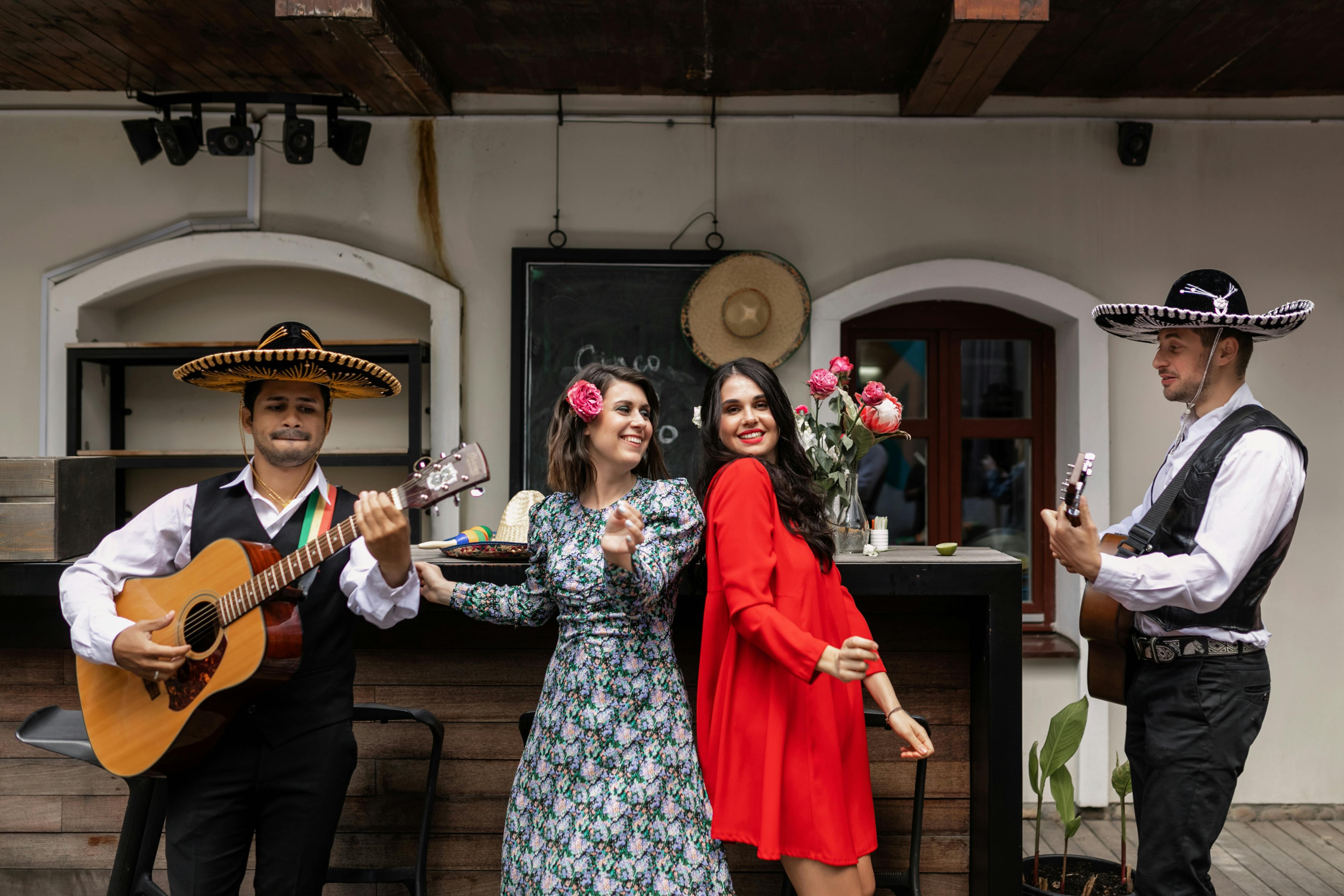


The rhythmic pulse of Latin music has become an undeniable force in shaping American musical culture. From the vibrant salsa beats that first captivated New York's dance floors in the 1960s to the infectious reggaeton rhythms dominating today's charts, these genres embody the spirit, resilience, and cultural pride of Latino communities across the United States. As these musical movements evolved, they transformed not only the soundscape of American music but also created powerful platforms for cultural expression and community connection.
The Birth and Rise of Salsa Music in America
Salsa music has its roots deeply embedded in the melting pot of New York City, where Cuban, Puerto Rican, and other Caribbean immigrants brought their musical traditions together in the 1960s. This fusion created a uniquely American Latin sound that honored ancestral rhythms while embracing the energy of urban American life.
The genre emerged from the barrios of the Bronx and Manhattan, where musicians like Tito Puente, Celia Cruz, and Johnny Pacheco pioneered a sound that would eventually spread throughout the United States. These artists didn't just create music; they built cultural bridges that connected Latino communities with their heritage while introducing mainstream America to the sophisticated complexity of Latin rhythms.
The Cultural Impact of the Early Salsa Movement
The early salsa movement represented more than musical innovation—it became a vehicle for Latino cultural identity in America. Dance studios and community centers across major cities became gathering places where families could maintain connections to their homeland while building new American traditions. The music served as a unifying force, bringing together diverse Latino communities under a shared cultural umbrella.
Salsa's influence extended beyond entertainment venues into community celebrations and cultural events. The genre became synonymous with quinceañeras, wedding celebrations, and festival gatherings that strengthened Latino heritage traditions throughout American cities. This cultural integration helped establish lasting community networks that continue to thrive today.
Mainstream Acceptance and Commercial Success
By the 1970s and 1980s, salsa music had transcended its community origins to achieve broader commercial success. Record labels began to recognize the genre's potential, leading to higher production quality and wider distribution. Artists like Willie Colón, Héctor Lavoe, and the legendary Fania All-Stars brought salsa to major concert venues and television programs, introducing the genre to non-Latino audiences.
This mainstream acceptance created opportunities for Latino entrepreneurs in the music industry, from record producers to venue owners. Many Latino business owners capitalized on salsa's popularity by opening specialized music stores, dance studios, and entertainment venues. These enterprises became cornerstones of local Latin businesses, strengthening community economic networks.
The commercial success of salsa also influenced fashion, dance instruction, and even culinary experiences, as restaurants began incorporating live salsa performances to create authentic cultural atmospheres. This cross-pollination demonstrated how music could catalyze broader cultural appreciation and economic opportunity.
The Revolutionary Arrival of Reggaeton
Reggaeton followed a different trajectory from salsa, emerging in the 1990s with a distinct energy and cultural context. Originating in Puerto Rico and heavily influenced by hip-hop, dancehall, and electronic music, reggaeton represented a new generation of Latino musical expression that addressed urban experiences and contemporary social realities.
The genre's introduction to the mainland United States coincided with the growth of Latino populations in cities such as Miami, Los Angeles, and New York. Artists such as Daddy Yankee, Don Omar, and later Bad Bunny and J Balvin brought reggaeton to American audiences through a combination of infectious beats, street-smart lyrics, and visually compelling music videos.
Digital Age Transformation
Unlike salsa's gradual mainstream integration, reggaeton leveraged digital platforms and social media to achieve rapid widespread acceptance. YouTube, streaming services, and social media platforms have allowed reggaeton artists to bypass traditional music-industry gatekeepers and connect directly with audiences. This digital-first approach revolutionized how Latin music influence spread throughout American popular culture.
The genre's success on digital platforms also created new opportunities for Latino content creators, influencers, and digital entrepreneurs. Many young Latinos have established businesses around reggaeton culture, from dance instruction channels to fashion brands inspired by reggaeton aesthetics.
Cross-Cultural Collaboration and Innovation
Both salsa and reggaeton have demonstrated remarkable adaptability through cross-cultural collaborations that expanded their appeal while maintaining cultural authenticity. These partnerships have created hybrid sounds that honor Latino musical traditions while embracing American pop, R&B, and hip-hop influences.
Notable collaborations between Latino artists and mainstream American performers have produced chart-topping hits that introduced millions of non-Latino listeners to authentic Latin rhythms and Spanish-language music. These partnerships represent successful examples of cultural exchange that benefit all participating communities.
Language and Cultural Bridge-Building
The success of both genres has contributed significantly to the continued importance of the Spanish language in American culture. Songs that seamlessly blend English and Spanish lyrics have become mainstream hits, normalizing bilingual expression and celebrating code-switching as a natural part of Latino-American identity.
This linguistic flexibility has encouraged non-Spanish speakers to engage more deeply with Latino culture, leading to increased enrollment in Spanish-language classes and greater appreciation of Latino literary and artistic traditions.
Community Building and Cultural Preservation
Today's Latin music scene continues to serve as a powerful force for community building and cultural preservation. Music festivals, community concerts, and cultural celebrations provide platforms for multiple generations to connect with their heritage while building new traditions among American-born Latino families.
These events often showcase the diversity within Latino communities, featuring regional variations of both salsa and reggaeton that reflect specific cultural backgrounds from Mexico, Colombia, Venezuela, and other Latin American nations. This diversity celebration aligns with Latin American Independence Day traditions that honor specific national heritages within the broader Latino American experience.
Modern Venues and Cultural Spaces
Contemporary Latino-owned venues continue to adapt these musical traditions for new generations while maintaining authentic cultural experiences. Dance clubs, concert halls, and community centers serve as cultural anchors where families can introduce children to their musical heritage while socializing with neighbors who share similar backgrounds.
Many of these venues also integrate other cultural elements, such as traditional Latin cuisine, creating comprehensive cultural experiences that strengthen community bonds and provide economic opportunities for Latino entrepreneurs.
The Future of Latin Music in America
As both salsa and reggaeton continue evolving, they're inspiring new generations of Latino artists who blend traditional elements with contemporary influences. This ongoing innovation ensures that Latin music influence remains dynamic and relevant while honoring the cultural foundations established by previous generations.
The continued success of these genres also creates pathways for emerging Latino entrepreneurs in music production, event management, and cultural programming. Young Latinos are building careers that celebrate their heritage while contributing to American musical culture, demonstrating how cultural pride and professional success can coexist.
Celebrating Our Musical Heritage Together
The evolution of salsa and reggaeton in the United States represents a powerful testament to the enduring strength of Latino cultural expression and community building. These genres have not only entertained millions but have also created economic opportunities, preserved cultural traditions, and built bridges between diverse communities. As they continue evolving, they remind us that music serves as both a celebration of heritage and a pathway to shared understanding.
For Latino families and music enthusiasts seeking to connect with these rich traditions, exploring local venues, supporting Latino-owned businesses, and participating in cultural events provides meaningful ways to engage with this vibrant musical heritage. Visit United Tribes today and find out more about Latino culture and community events in your area.


