
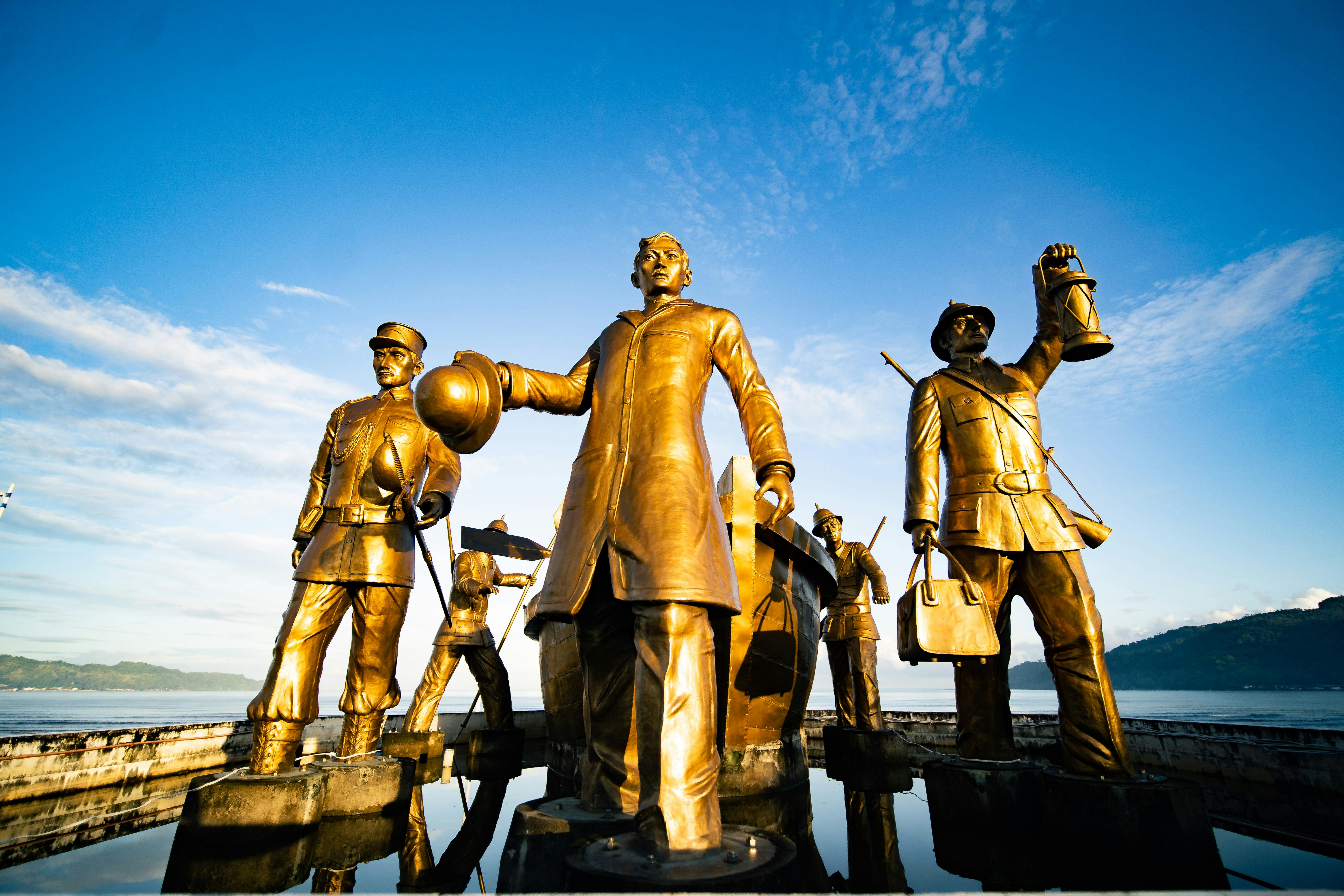

October 2025 marks a historic milestone as Filipino American History Month celebrates an extraordinary 125 years of Filipino heritage in the United States. This commemorative year honors the remarkable journey of Filipino Americans who have shaped communities, influenced industries, and preserved their rich cultural traditions while building new legacies on American soil. From the first wave of Filipino workers in the late 1800s to today's thriving diaspora community, this celebration recognizes the resilience, innovation, and enduring spirit that define Filipino heritage.
The significance of this 125-year milestone extends beyond simple chronology, as it represents generations of families who have navigated the complex path of maintaining cultural identity while embracing American opportunities. As we observe this special Filipino American History Month, we celebrate not just the past, but the vibrant present and promising future of Filipino American communities nationwide.

Welcome to United Tribes
Where Filipino Culture Comes Alive
Join Your Tribe
Connect with your people
Discover Events
Watch parties & festivals
Find Filipino Businesses
Restaurants, markets & more
Earn Crown Credits
Get rewarded for engaging
The Historic Journey: From 1900 to 2025
The story of Filipino Americans began in earnest during the early 1900s, when the first major waves of Filipino workers arrived in Hawaii and the West Coast. These pioneering individuals, known as "Manongs," laid the foundation for what would become one of the largest Asian American communities in the United States. Over the past 125 years, Filipino Americans have overcome discrimination, built successful businesses, and created lasting institutions that continue to serve their communities today.
Key historical milestones throughout these 125 years include the establishment of Filipino community centers, the formation of cultural organizations, and the election of Filipino Americans to significant political positions. The journey from agricultural workers to doctors, engineers, nurses, artists, and entrepreneurs showcases the incredible diversity and ambition within Filipino American communities.
The evolution of Filipino celebrations in America demonstrates how cultural traditions have been preserved and adapted across generations. Traditional festivals like Barrio Fiesta and Pistay Dayat ("Sea Festival") have found new expression in American cities, creating bridges between homeland memories and new-world realities.
Cultural Preservation Through Food and Tradition
Food remains one of the most powerful connectors to Filipino heritage, with Filipino comfort food serving as both nourishment and cultural anchor for families across America. The proliferation of Filipino restaurants, food trucks, and home-based catering businesses throughout the United States reflects the growing appreciation for Filipino cuisine beyond traditional community boundaries.
Traditional dishes like adobo, lumpia, and pancit have become gateway foods for non-Filipino Americans discovering the rich flavors of the Philippines. However, the culinary story goes much deeper, encompassing regional Filipino dishes that represent the diverse islands and provinces of the homeland. From the spicy Bicol Express to the hearty Kare-Kare, these regional specialties maintain connections to specific geographic and cultural identities within the broader Filipino diaspora.
Cultural preservation efforts extend beyond food to include traditional arts, music, and dance. Filipino American cultural centers across the country offer classes in traditional folk dances like Tinikling and Cariñosa, while maintaining spaces for contemporary Filipino American artists to explore themes of identity, belonging, and cultural fusion.
Community Achievements and Economic Impact
The economic impact of Filipino Americans over the past 125 years has been substantial and continues to grow. Filipino American businesses span industries from healthcare and technology to hospitality and retail, contributing billions of dollars annually to the American economy. The entrepreneurial spirit evident in early Filipino immigrants continues to drive innovation and job creation in communities nationwide.
Professional achievements in healthcare deserve special recognition, as Filipino American nurses, doctors, and healthcare workers have become essential pillars of American medical institutions. This contribution became particularly visible during recent global health challenges, highlighting the critical role Filipino Americans play in maintaining public health infrastructure.
The stories of OFW life from the US perspective illuminate the complex experiences of Filipino Americans who maintain strong ties to the Philippines while building American dreams. These narratives reveal the dual responsibilities many Filipino Americans carry, supporting family members in the Philippines while establishing roots and contributing to American communities.
Modern Community Leadership and Activism
Filipino-American pride manifests strongly in contemporary leadership and civic engagement. Filipino Americans serve in elected positions at the local, state, and federal levels, advocating for policies that benefit not only Filipino American communities but all Americans. This political engagement represents a significant evolution from earlier generations who faced legal barriers to citizenship and political participation.
Community organizations have evolved to address modern challenges while maintaining cultural connections. Professional associations, cultural groups, and advocacy organizations work together to promote Filipino American interests, combat discrimination, and create opportunities for younger generations to engage with their heritage.
The spirit of resilience that has characterized Filipino American responses to challenges throughout these 125 years continues to inspire community action and mutual support systems. Whether responding to natural disasters affecting the Philippines or addressing local community needs, Filipino Americans demonstrate a remarkable capacity for collective action and care.
Education and Cultural Transmission
Educational achievements within Filipino American communities reflect the high value placed on learning and advancement. Filipino Americans are well represented in higher education, both as students and faculty, contributing to research, innovation, and knowledge creation across disciplines.
Language preservation efforts have taken on new importance as third and fourth-generation Filipino Americans seek to reconnect with Tagalog, Ilocano, Cebuano, and other Philippine languages. Community schools, online programs, and family initiatives work to ensure linguistic heritage survives alongside English fluency.
Cultural transmission through storytelling and oral history projects captures the experiences of Filipino American elders, preserving memories of immigration, adaptation, and community building for future generations. These projects document not just individual stories but collective community experiences that define Filipino American identity.
Looking Forward: The Next 125 Years
As Filipino American History Month commemorates this significant milestone, it also provides an opportunity to envision the future of Filipino American communities. Young Filipino Americans are creating new expressions of cultural identity through art, technology, social media, and entrepreneurship, building on the foundation established by previous generations.
Innovation and technology sectors are seeing growing Filipino American participation, with entrepreneurs and professionals advancing software development, biotechnology, and digital media. These contributions represent new frontiers for Filipino American achievement and influence.
The continued growth of Filipino American populations in diverse geographic regions, from traditional centers like California and Hawaii to emerging communities in Texas, Florida, and the Northeast, demonstrates the ongoing vitality and expansion of Filipino heritage across America.
Honoring Legacy, Building Future
Filipino American History Month represents 125 years of dreams realized, challenges overcome, and communities built through determination and cultural pride. The journey from early agricultural workers to today's diverse community of professionals, artists, entrepreneurs, and civic leaders demonstrates the enduring strength of Filipino heritage. This milestone celebration honors both the preservation of treasured traditions and the continuous evolution of Filipino-American identity in an ever-changing American landscape.
As we commemorate this historic anniversary, we recognize that the story of Filipino Americans is still being written. Each generation adds new chapters while maintaining connections to the values, traditions, and resilience that have defined Filipino communities for over a century. The achievements celebrated during Filipino American History Month serve as inspiration for future generations to continue building bridges between cultures while contributing their unique perspectives to American society.
Visit United Tribes today and learn more about Filipino culture and community, and connect with the rich heritage that continues to shape American communities across the nation.
Make United Tribes Your Preferred Source
Add United Tribes on Google to get the latest stories, cultural updates, and community events directly in your Google Search and Top Stories.