
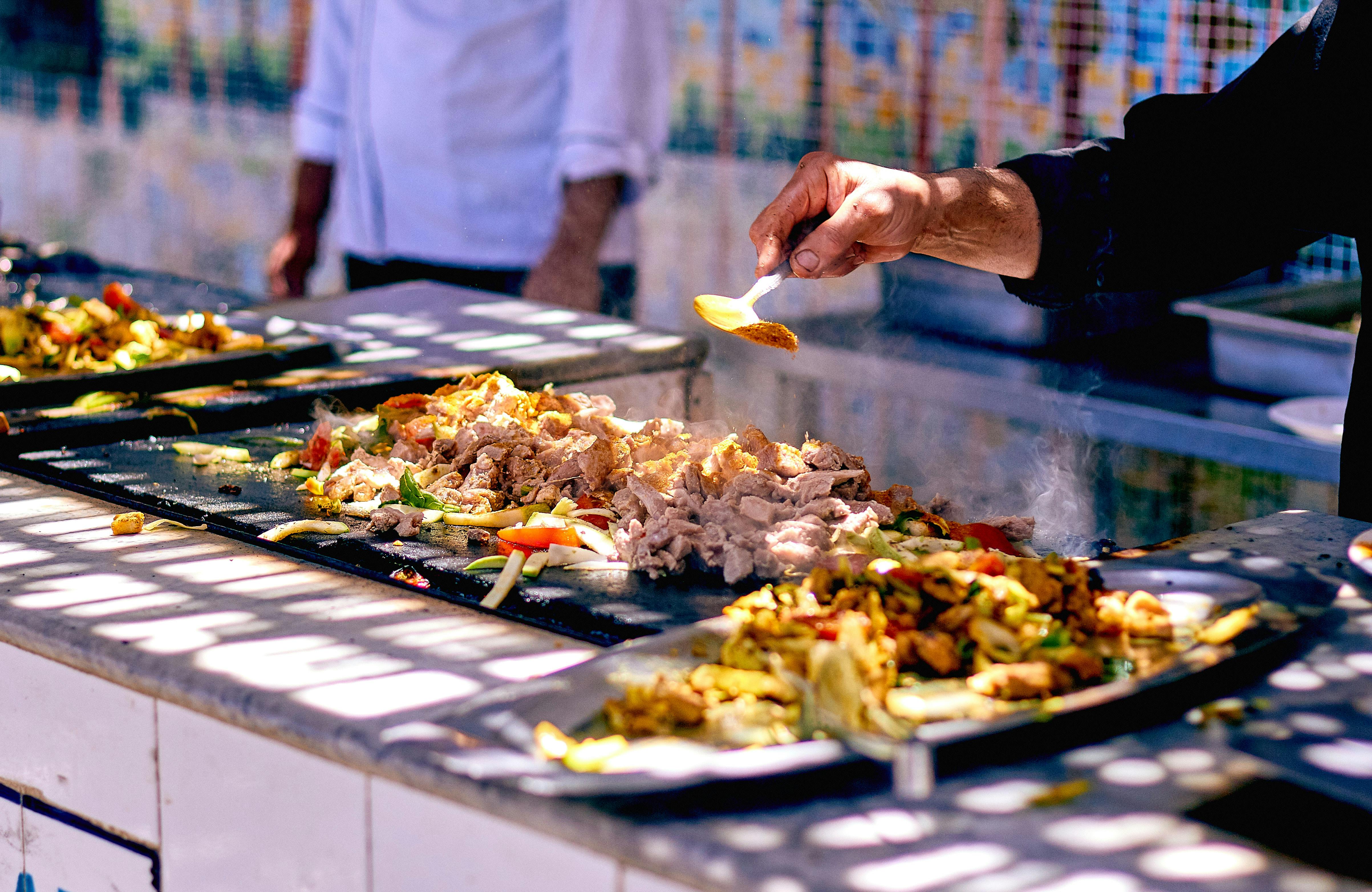

There is something quietly powerful about a Persian meal. Before the first bite, there is already a story — in the slow simmer of a stew, the golden crust of rice, the careful arrangement of herbs and garnishes on a shared table. Across generations and continents, Iranian culinary culture has carried the weight of identity, love, and belonging in ways that no written history can fully capture.
Food as a Language of Belonging
In Persian culture, cooking is rarely a solo act. Meals are prepared for others, often in large quantities, as an expression of care. The instinct to feed generously is deeply tied to the concept of taarof, the intricate Iranian etiquette of hospitality and gracious offering. When a host insists you take more food, they are trying to create a connection.

Welcome to United Tribes
Where Persian Culture Comes Alive
Join Your Tribe
Connect with your people
Discover Events
Watch parties & festivals
Find Persian Businesses
Restaurants, markets & more
Earn Crown Credits
Get rewarded for engaging
This relationship between food and belonging means that Persian dishes carry meaning far beyond nutrition. Each recipe holds cultural memory, passed from grandmothers to grandchildren, adapted across diasporas, and recreated in American kitchens that smell, for a brief moment, like home.
The Gathering Table: Iconic Dishes and Their Social Roles
Certain dishes anchor Persian food gatherings in especially meaningful ways.
Ghormeh Sabzi, the fragrant herb and kidney bean stew, is arguably Iran's most beloved dish. Its preparation is labor-intensive — fresh herbs must be dried, fried, and layered carefully — making it a dish reserved for significant occasions. Serving ghormeh sabzi signals that a guest is truly honored.
Ash Reshteh, a thick noodle-and-legume soup, carries strong communal symbolism. Traditionally prepared during Nowruz and other transitional moments, it is believed to bring good fortune. Families gather to stir the pot together, each turn of the ladle a small act of collective hope.
Fesenjan, a pomegranate and walnut stew, appears at celebrations and family reunions. Its deep, complex flavor — simultaneously sweet, sour, and savory — mirrors the layered nature of Persian identity itself.
Understanding the essential spices behind these dishes reveals how thoughtfully Iranian cuisine culture is constructed, with each ingredient chosen for both taste and cultural resonance.
Rice as Ritual
No exploration of Persian dishes is complete without addressing rice. In Iranian cuisine, rice is a centerpiece, a craft, a point of quiet pride. The legendary tahdig, the crispy golden crust formed at the bottom of the pot, has become a symbol of Persian culinary excellence worldwide.
Achieving perfect tahdig requires patience, technique, and intuition developed over years. It is the first piece sought at every gathering, often handed to the most honored guest. Mastering tahdig is a rite of passage within the culture, a gesture of love made edible.
The way rice is prepared, presented, and shared encapsulates the broader philosophy of Persian hospitality: excellence in effort, generosity in offering, and beauty in the details.
Seasonal Gatherings and Culinary Tradition
Food and community in Iran are tightly woven into the seasonal calendar. Nowruz, the Persian New Year celebrated at the spring equinox, centers on dishes like Sabzi Polo Mahi (herb rice with fish), which symbolizes renewal and fresh beginnings. Families travel distances to gather at these tables.
Winter also holds deep culinary significance. Persian culinary traditions include warming stews, spiced teas, and dishes that invite long evenings indoors — emphasizing slowness, presence, and togetherness.
One of the most celebrated winter occasions is Shabe Yalda, the longest night of the year, when families stay awake together, reciting poetry and sharing pomegranates, nuts, and seasonal foods. Shabe Yalda's traditions reveal how deeply food and communal gathering are embedded in Persian spiritual and cultural life, being both sustenance and a form of collective endurance and joy.
Persian Food in the Diaspora
For Iranian Americans and Persian communities across the United States, food serves as one of the most accessible bridges back to cultural identity. Recreating dishes from memory, sourcing specific ingredients, or teaching children to make rice correctly — these acts carry enormous emotional weight.
Persian food gatherings in the diaspora often become intersections of generations and geographies. A pot of ghormeh sabzi in Los Angeles or New York becomes a living link to Tehran, Shiraz, or Isfahan. These kitchens are sites of cultural preservation as much as nourishment.
Community events, cultural festivals, and shared cooking workshops are helping Persian Americans maintain these traditions in increasingly visible ways. Platforms that highlight these communities play a real role in ensuring that Iranian cuisine culture continues to be seen, celebrated, and shared beyond its original geography.
A Table That Always Has Room
Persian food is ultimately a philosophy of inclusion. Every dish prepared with care, every table set generously, every shared meal is an expression of the belief that community is built one gathering at a time.
For the Persian diaspora and for anyone curious about Iranian cuisine culture, these traditions offer something rare: a way of belonging that is sensory, immediate, and deeply human. Understanding the food means understanding the people — their warmth, their artistry, and their commitment to one another.
Visit United Tribes today to learn more about Persian culture and community, from business opportunities to cultural events celebrating the richness of Iranian heritage across the United States.
Make United Tribes Your Preferred Source
Add United Tribes on Google to get the latest stories, cultural updates, and community events directly in your Google Search and Top Stories.


