
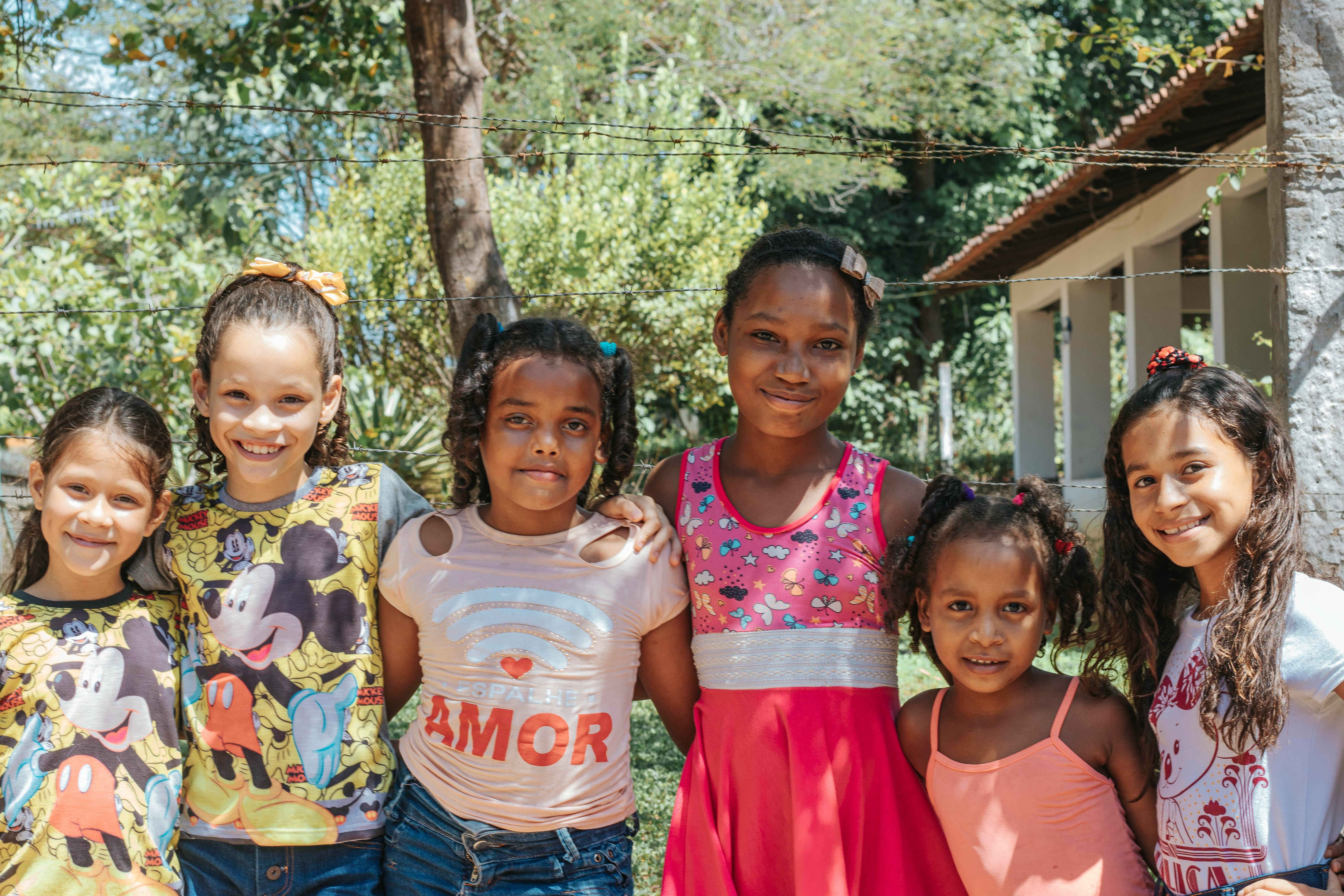

When the Group Comes First
In many Western frameworks, individual autonomy is celebrated as the highest ideal. But across much of the world, a different logic governs daily life: the needs, opinions, and harmony of the group come first. This is the essence of collectivist culture, and it shapes everything from career decisions and marriage choices to how families eat dinner and resolve disagreements. For Filipino, Persian, Indian, and Latino communities, group-oriented thinking is a source of strength, identity, and belonging.

Welcome to United Tribes
Where Diverse Cultures Come Alive
Join Your Tribe
Connect with your people
Discover Events
Watch parties & festivals
Find Tribe Businesses
Restaurants, markets & more
Earn Crown Credits
Get rewarded for engaging
Understanding group vs individual culture helps explain behavioral patterns that might otherwise seem puzzling to outsiders. Why does a grown adult consult their entire family before accepting a job offer? Why does a guest insist on refusing food three times before accepting? Why does a community show up uninvited to help a neighbor rebuild after a loss? The answers lie in deep cultural frameworks that prioritize collective well-being over personal preference.
Filipino Values: Community as a Way of Life
Filipino culture offers some of the most visible examples of collectivist culture in the world. Two concepts anchor this worldview: Bayanihan and Pakikisama. Bayanihan refers to communal unity, the tradition of neighbors literally carrying a home on their shoulders to help a family relocate. Pakikisama means "getting along," a social value that prizes group harmony above personal desires.
In practical terms, this means Filipinos often make decisions through consensus rather than individual will. A child may choose a college major that satisfies parental expectations over personal passion. A family member returning from abroad brings gifts not just for the household but for the wider community. Disagreement is softened, and confrontation is often avoided to preserve pakikisama.
This deep commitment to collective harmony continues to thrive even within Filipino-American communities, as they navigate modern American individualism.
Persian Values: Honor, Hospitality, and the Art of Taarof
Persian culture carries its collectivist logic through elaborate social rituals, none more distinctive than Taarof. This system of ritualized politeness governs nearly every social interaction. Offers are declined, then extended again. Guests insist on paying, hosts insist on covering the bill. The entire exchange exists to preserve face, show humility, and honor the relationship over any individual desire.
Cultural decision-making in Persian communities is similarly layered. Family reputation, elder opinion, and community perception all factor into choices that Westerners might consider purely personal. Marriage, business, and even social outings involve weighing how the group will respond. The individual's preference exists, but it is filtered through a deeply relational lens.
Persian hospitality through Taarof is a living expression of etiquette and of a culture where relationships are maintained through constant, mutual acknowledgment of each other's dignity.
Indian Culture: Duty, Family, and the Collective Good
Indian culture offers perhaps the most philosophically developed framework for collective thinking. Rooted in concepts like dharma (duty) and seva (selfless service), Indian ethical traditions have long emphasized responsibility to family and society over individual pursuit. Joint family households, where multiple generations share a home and resources, remain common in both India and Indian-American communities.
In the Indian context, collectivism is often expressed through family-driven decision-making. Career paths, marriage partners, financial investments, and even daily routines are shaped by what is best for the family unit. Parents invest extraordinary energy in their children's futures, and children are expected to honor that sacrifice through achievement and loyalty.
Indian parenting across cultures reflects this balancing act, as families navigate between traditional collective values and the individualist pressures of American life. The tension is real, but so is the resilience of these community bonds.
Latino Culture: La Familia as the Foundation
In Latino communities, familismo is the word that captures it all. Family is the primary unit of identity, loyalty, and decision-making. Extended family networks function as economic safety nets, childcare systems, emotional anchors, and social calendars simultaneously.
Group versus individual culture becomes most visible in moments of transition. A young Latina considering moving across the country for work may weigh not just her career prospects but the impact of her absence on her parents, siblings, and extended family. A Latino entrepreneur launching a business often does so with family labor, family savings, and family reputation on the line.
Celebrations like quinceañeras, Día de los Muertos, and Sunday family gatherings are not optional. They are obligations of love, reinforcing the message that individual milestones are always communal achievements. La familia shapes every dimension of Latino life, from the deeply personal to the broadly social.
What Collectivism Teaches the Modern World
The rise of burnout culture, social isolation, and mental health crises in individualist societies raises a compelling question: what have we lost by centering the self so completely? Collectivist communities offer a different model. When the group is strong, the individual rarely suffers alone. Grief is shared. Resources are pooled. Elders are valued. Children grow up embedded in networks of accountability and love.
This is not to romanticize collectivism uncritically. Group pressure can stifle individuality and burden people with expectations they did not choose. But examples of collectivist culture found in Filipino, Persian, Indian, and Latino communities reveal that belonging and identity are conditions for human flourishing.
Unity as a Cultural Superpower
Across Filipino, Persian, Indian, and Latino communities, the through line is clear: the group is not a constraint on the individual but the very foundation from which individuals draw meaning, resilience, and purpose. Whether expressed through Bayanihan, Taarof, dharma, or familismo, collectivist values represent some of humanity's most durable social technologies.
These traditions are alive and evolving, carried by diaspora communities who balance heritage with new realities every single day. Understanding how cultural decision-making works across these communities builds empathy, reduces misunderstanding, and reveals the extraordinary richness of human social life.
Visit United Tribes today to learn more about Filipino, Persian, Indian, American, and Latino culture and community, and discover the businesses, events, and stories that keep these living traditions thriving across America.
Make United Tribes Your Preferred Source
Add United Tribes on Google to get the latest stories, cultural updates, and community events directly in your Google Search and Top Stories.


