
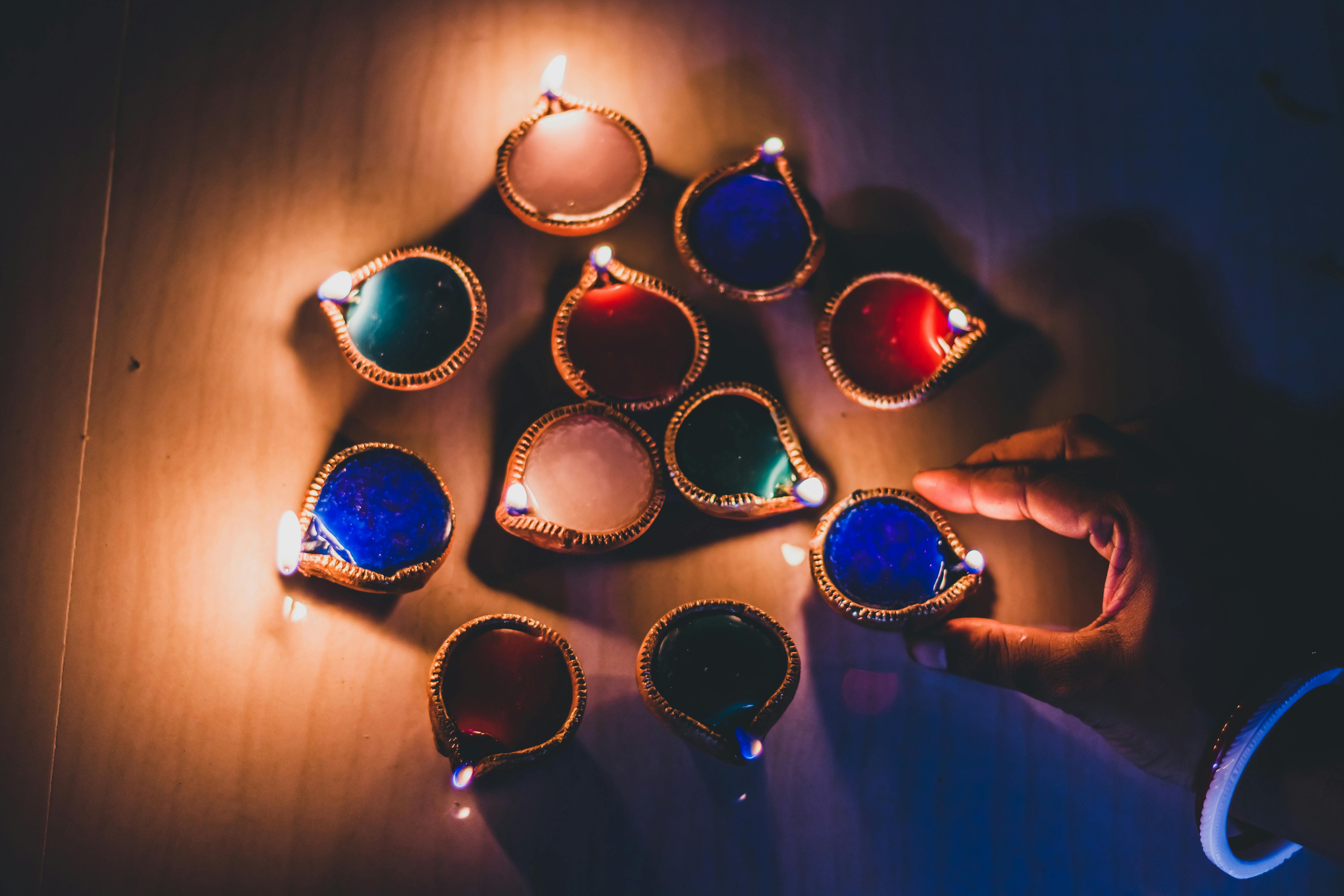

While Diwali often takes center stage as India's most recognized festival of lights in America, the vibrant nine-night celebration of Navratri has become equally significant for Indian-American communities across the United States. This dynamic festival, dedicated to honoring the divine feminine through the worship of Goddess Durga, transforms communities from California to New York into spectacular displays of culture, devotion, and unity. Navratri celebrations have evolved to blend traditional customs with American settings, creating unique cultural experiences that preserve heritage while embracing innovation.
The festival's growing prominence in American cities reflects the expanding influence of Indian festivals in America, where second and third-generation Indian-Americans seek meaningful connections to their ancestral roots. Unlike the single-day intensity of other celebrations, Navratri's extended duration allows for deeper community engagement and cultural immersion, making it a cornerstone event for maintaining Indian identity in the diaspora.

Welcome to United Tribes
Where Indian Culture Comes Alive
Join Your Tribe
Connect with your people
Discover Events
Watch parties & festivals
Find Indian Businesses
Restaurants, markets & more
Earn Crown Credits
Get rewarded for engaging
The Cultural Significance of Navratri in American Indian Communities
Navratri celebrations serve as powerful vehicles for cultural transmission, allowing Indian-American families to pass down centuries-old traditions to younger generations born and raised in America. The festival's emphasis on devotion, community gathering, and artistic expression resonates deeply with diaspora communities seeking to maintain their cultural identity while integrating into American society.
Each night of Navratri represents different aspects of the divine feminine, creating opportunities for storytelling, religious education, and spiritual reflection. American Indian communities have embraced these themes, organizing elaborate programs that combine traditional puja ceremonies with cultural performances, educational workshops, and community feasts.
The festival's timing in September or October coincides with the American fall season, creating natural parallels between harvest celebrations and the festival's agricultural origins. This synchronicity has helped Indian festivals in America, such as Navratri, feel more integrated into the American cultural calendar, attracting participation from non-Indian community members and fostering cross-cultural understanding.
Traditional Elements Preserved in American Navratri Celebrations
American Navratri celebrations maintain core traditional elements while adapting to local contexts and regulations. Garba and Dandiya Raas dancing remains the festival's heartbeat, with community centers, temples, and cultural organizations hosting nightly dance sessions that draw hundreds of participants.
Traditional music fills American venues as live musicians and DJs blend classical Gujarati folk songs with contemporary arrangements. The circular dance formations of Garba create mesmerizing patterns in school gymnasiums, community halls, and even outdoor pavilions, maintaining the spiritual symbolism of cosmic cycles while adapting to available American spaces.
Ritual observances continue with daily puja ceremonies conducted by trained priests, often imported specifically for festival seasons. Devotees maintain fasting traditions, though American Navratri celebrations often accommodate work schedules by holding evening ceremonies rather than traditional dawn rituals.
The nine-day color scheme remains intact, with participants coordinating outfits according to daily color prescriptions. This visual spectacle creates Instagram-worthy moments that help younger generations engage with traditions through contemporary social media culture, ensuring Navratri celebrations reach broader audiences.
Regional Adaptations Across American Cities
West Coast Celebrations
California's large Indian-American population has created some of the most elaborate Navratri celebrations in the country. Los Angeles and San Francisco Bay Area communities organize massive events in convention centers and outdoor venues, accommodating thousands of participants nightly.
Silicon Valley's tech-savvy Indian community has pioneered innovative approaches, including live-streaming ceremonies for global audiences and creating mobile apps for dance instruction and event coordination. These technological integrations help maintain connections between American celebrations and relatives in India.
East Coast Traditions
New York and New Jersey communities focus heavily on authenticity, often importing decorations, musicians, and even dance instructors directly from Gujarat and other Indian states. The tri-state area's density allows for multiple simultaneous celebrations, creating healthy competition that elevates production quality and community engagement.
Midwest and Southern Adaptations
Smaller Indian communities in cities like Chicago, Atlanta, and Dallas emphasize inclusivity, actively welcoming non-Indian participants and providing cultural education alongside traditional celebrations. These communities often partner with local cultural centers and universities to host educational events that explain Navratri's significance to broader American audiences.
Community Impact and Cultural Bridge-Building
Indian festivals in America, like Navratri, serve crucial roles in community building, economic development, and cultural diplomacy. Local businesses benefit significantly from festival seasons, as participants purchase traditional clothing, jewelry, decorations, and special foods.
The festivals create networking opportunities for professionals, students, and families, strengthening community bonds that extend far beyond the nine-day celebration period. Many Indian-American entrepreneurs credit Navratri events with providing crucial business connections and community support systems.
Cross-cultural engagement flourishes during Navratri celebrations, as American colleagues, neighbors, and friends experience Indian culture firsthand. These interactions break down cultural barriers and create lasting relationships that benefit broader community integration.
Educational institutions often incorporate Navratri themes into multicultural programming, helping American students understand Indian philosophy, art, and religious traditions. This academic engagement elevates these celebrations beyond entertainment into meaningful cultural exchange.
Modern Innovations in American Navratri Celebrations
Contemporary American Navratri events showcase remarkable creativity in blending tradition with innovation. Fusion dance competitions combine classical Garba steps with contemporary choreography, allowing younger participants to express cultural identity through modern artistic mediums.
Charitable components have become integral to many celebrations, with communities organizing food drives, fundraising campaigns, and volunteer activities that reflect both Indian values of service and American civic engagement traditions.
Technology integration continues expanding, with virtual reality experiences allowing participants to visit famous Navratri celebrations in India, augmented reality apps that teach traditional dance steps, and sophisticated sound and lighting systems that create immersive spiritual environments in American venues.
Sustainable practices increasingly characterize modern celebrations, with eco-friendly decorations, locally-sourced organic foods, and waste reduction initiatives that align traditional values with contemporary environmental consciousness.
Celebrating Heritage Through Community Unity
Navratri in the USA demonstrates the remarkable ability of diaspora communities to maintain cultural authenticity while embracing innovation and inclusion. These vibrant festivals create bridges between generations, cultures, and communities, ensuring that Indian traditions continue thriving in American settings. The festival's emphasis on devotion, artistic expression, and community unity resonates deeply with both traditional participants and new Americans discovering their heritage.
The growing prominence of Indian festivals in America reflects the broader success of multicultural integration, where diverse communities contribute their unique traditions to America's cultural tapestry. These celebrations strengthen community bonds while fostering cross-cultural understanding that benefits society as a whole.
Visit United Tribes today and find out more about Indian culture and community celebrations happening near you.
Make United Tribes Your Preferred Source
Add United Tribes on Google to get the latest stories, cultural updates, and community events directly in your Google Search and Top Stories.


