
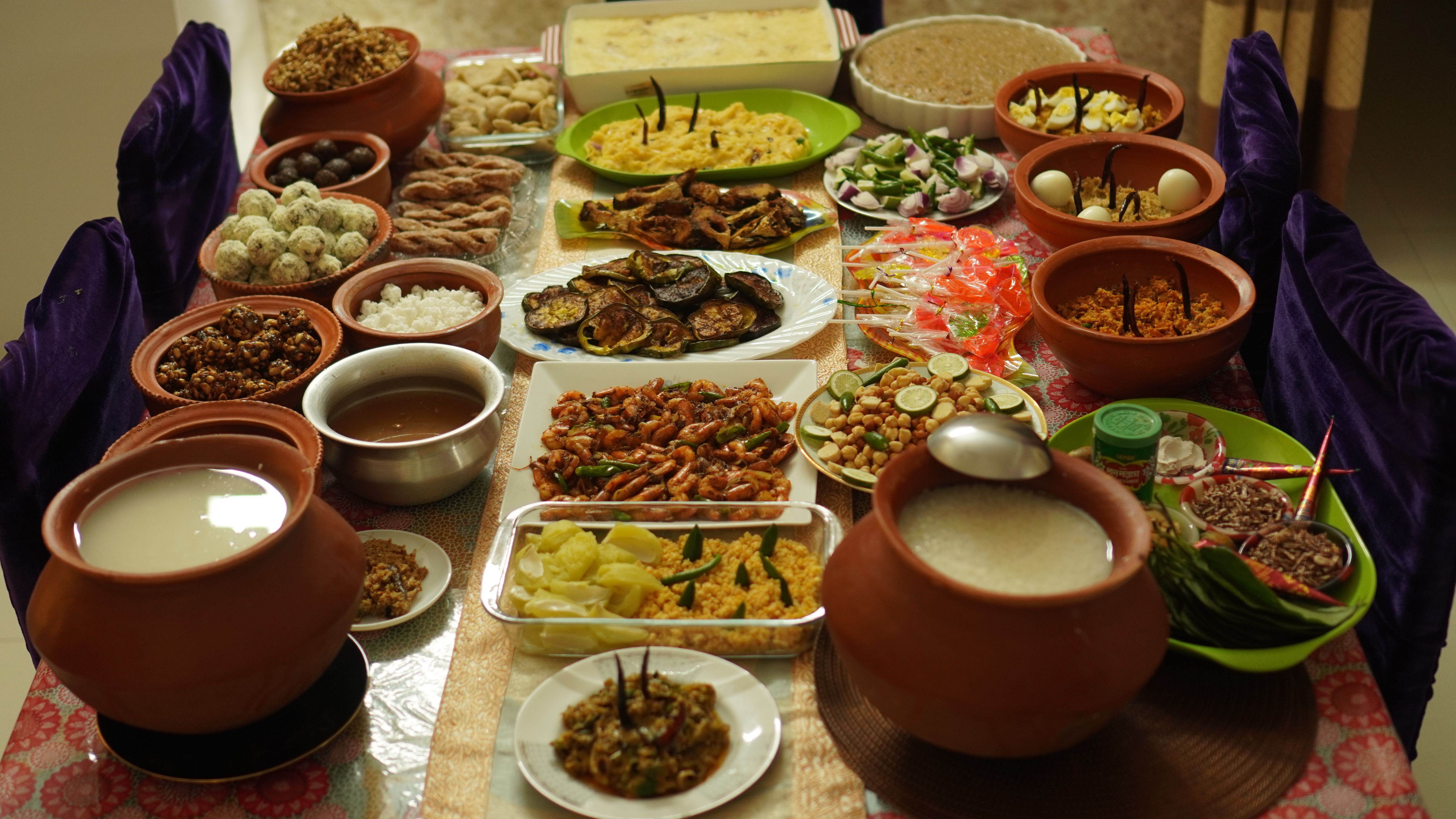

There are meals, and then there are feasts that carry an entire civilization's memory within them. The Onam Sadya is unmistakably the latter. Served on a fresh banana leaf, this elaborate vegetarian spread is the culinary centerpiece of Onam, Kerala's most beloved harvest festival, and it represents the remembrance, unity, and cultural pride that Malayali families have carried with them from the backwaters of Kerala to cities across the United States.
What Is Onam and Why Does the Sadya Matter
Onam is celebrated in the Malayalam month of Chingam, typically falling in August or September. The festival commemorates the mythical return of the beloved King Mahabali, a ruler whose reign is remembered as a golden age of prosperity and equality. According to legend, Mahabali visits his people once a year during Onam, and the grand Sadya is prepared in his honor, a display of abundance meant to show that his people are still thriving.

Welcome to United Tribes
Where Indian Culture Comes Alive
Join Your Tribe
Connect with your people
Discover Events
Watch parties & festivals
Find Indian Businesses
Restaurants, markets & more
Earn Crown Credits
Get rewarded for engaging
The word Sadya means "banquet" in Malayalam, and it lives up to its name. A traditional feast includes anywhere from 24 to 28 dishes, all served simultaneously on a single banana leaf. Every element, from the placement of the leaf to the sequence of serving, follows a ritual logic passed down through generations.
The Banana Leaf as a Living Tradition
Before a single dish arrives, the banana leaf itself sets the tone. Guests sit cross-legged on the floor, and the leaf is placed with its tip pointing to the left. Eating begins only after a small prayer, and the meal unfolds in a choreographed sequence that honors both flavor and tradition.
The structural simplicity of the banana leaf is deceptive. It is naturally antibacterial, imparts a subtle flavor to warm food, and is entirely biodegradable, a piece of Kerala cuisine wisdom that predates modern sustainability trends by centuries.
The Dishes: A Guided Journey Through Onam Food
The Sadya is an experience that guides you as you go through the food. Dishes arrive in a specific order, and each one carries symbolic and nutritional weight.
Parippu (lentil dal) is typically the first item poured onto the leaf, mixed with ghee. It is humble and grounding, the anchor of the meal. Sambar, a tamarind-laced vegetable stew, follows, along with Rasam, a thin, peppery broth that aids digestion and cleanses the palate between heavier courses.
The Avial is perhaps the most iconic dish of the Sadya, a thick medley of seasonal vegetables cooked in a coconut and yogurt base, seasoned with curry leaves and coconut oil. It is said to have been invented by Bhima of the Mahabharata during a period of hardship, making it a dish with mythology baked into its origins.
Other essential dishes include:
- Olan — white gourd and black-eyed peas in a delicate coconut milk broth
- Kalan — a thick, sour curry made with raw banana and yam in yogurt
- Thoran — a dry stir-fry of vegetables with grated coconut
- Erissery — pumpkin and lentils cooked in roasted coconut
- Pachadi — a cooling yogurt-based dish with pineapple or cucumber
- Pickles and pappadam — for crunch and contrast throughout the meal
The meal concludes with Payasam, Kerala's beloved pudding. Not one, but often two or three varieties are served, including the revered Palada Pradhaman made from rice flakes and milk, and Parippu Payasam made from lentils and jaggery. Sweetness at the end signals completion, celebration, and gratitude.
Symbolism Woven Into Every Course
Every dish in the Onam Sadya carries meaning beyond its ingredients. The balance of sour, sweet, salty, bitter, pungent, and astringent flavors mirrors the Ayurvedic principle of complete nourishment, a philosophy deeply embedded in Kerala's approach to healing and wellness. The use of coconut throughout reflects Kerala's geography and its reliance on the land's natural bounty. Ghee, used generously, is considered sacred and purifying.
The communal format of everyone eating the same dishes from the same type of leaf reinforces the egalitarian spirit of King Mahabali's reign. Hierarchy dissolves around the Sadya.
Malayali Communities Recreating the Sadya in America
For the Indian-American Malayali diaspora, preparing an Onam Sadya in the United States is an act of love and determination. Sourcing raw banana, fresh curry leaves, and specific varieties of yam often requires a trip to an Indian grocery store or a specialty market, and increasingly, these ingredients are available through culturally rooted businesses discoverable through platforms like United Tribes.
Community organizations, temples, and cultural associations across cities like Houston, New Jersey, Chicago, and the Bay Area host large-scale Sadya events each year. These gatherings draw hundreds of Malayalis and curious neighbors of every background to share in the feast. The regional spice knowledge that makes dishes like Kalan and Rasam sing is carefully preserved by home cooks and community chefs who learned from their mothers and grandmothers.
Much like how Diwali has become a visible celebration across the American cultural calendar, Onam is gaining recognition beyond the Malayali community, with pop-up Sadya experiences and Indian festival food events appearing in major cities each August and September.
Keeping the Feast Alive for the Next Generation
For Malayali parents raising children in the U.S., the Sadya is one of the most powerful cultural tools they have. Cooking it together, explaining each dish's name and meaning, and sitting together on the floor to eat from a banana leaf creates a sensory memory that no classroom lesson can replicate.
Young Malayali-Americans are also finding creative ways to engage, from hosting apartment Sadyas with friends of all backgrounds to sharing the experience on social media, making Onam food visible and celebrated in a wider American conversation about heritage and identity.
The Sadya Is More Than a Meal
The Onam Sadya is one of the most complete expressions of cultural identity that exists in food form. Its 26-plus dishes are a language, a history, and a declaration that Malayali heritage is alive and flourishing, whether the table is set in Thrissur or Texas. Every banana leaf laid out in an American city carries that same weight of tradition and joy.
For Malayali communities in the U.S., recreating the Sadya is an act of belonging, which is a way of saying that no matter how far from Kerala one lives, the feast of Onam travels with you. It connects generations, welcomes outsiders, and reminds everyone seated at the leaf that abundance is best experienced together.
Finding authentic Kerala cuisine, connecting with Malayali cultural events near you, and supporting Indian-American food businesses gets easier when you know where to look — browse the Indian community on United Tribes to discover the people and places keeping these traditions deliciously alive.


